
A Shift in China’s Tax Policy Signals a New Era for Vehicles
Effective January 1, 2027, China’s Ministry of Finance, State Taxation Administration, and Ministry of Industry and Information Technology will terminate preferential tax treatments for certain vehicles. This decision will end the halving of the vehicle and vessel tax for energy-saving vehicles and the full exemption for pure electric commercial vehicles, plug-in hybrids, and fuel cell commercial vehicles.
Image Source: Ministry of Finance Official Website
Despite the seemingly small annual tax adjustment, the move is seen as a pivotal shift in policy. Cui Dongshu, secretary-general of the China Passenger Car Association (CPCA), views this as a significant step towards achieving “equal rights” for both internal combustion engine and electric vehicles. He points out that this change reflects a transition from policy-supported growth to market-driven maturity in the new energy vehicle industry.
Understanding the Tax Reform
The realignment of the vehicle and vessel tax aims to address existing inequities. The tax, a property tax on vehicles and ships in China, is determined by engine displacement. Larger engines incur higher taxes, a strategy designed to promote smaller engine consumption.
Initially, new energy vehicles, including pure electric and fuel cell passenger cars, were exempted from this tax. As of 2012, the market was nascent, with new energy vehicle sales at just 12,800 units. Fast forward to 2025, and new energy vehicles have achieved a 53.9% retail penetration rate, marking a significant shift.

Image Source: China Passenger Car Association (CPCA)
This tax incentive reform highlights two main contradictions: “emissions without tax” and “high-end models free-riding.” Plug-in hybrids, despite having internal combustion engines, enjoy tax exemptions. In contrast, luxury hybrid vehicles face no tax, yet a modestly priced gasoline vehicle incurs a tax.
According to Cui Dongshu, the essence of this adjustment is to restore the vehicle and vessel tax as a “property tax” and “public usage fee,” establishing a fair tax system that aligns with vehicle attributes and usage scenarios.
Implications for the Automotive Industry
This reform marks a shift from policy dependence to market strength for automakers. As tax incentives for transitional models are phased out, the industry must focus on core competencies such as battery range and vehicle quality. This change encourages competition based on product strength rather than policy advantages.
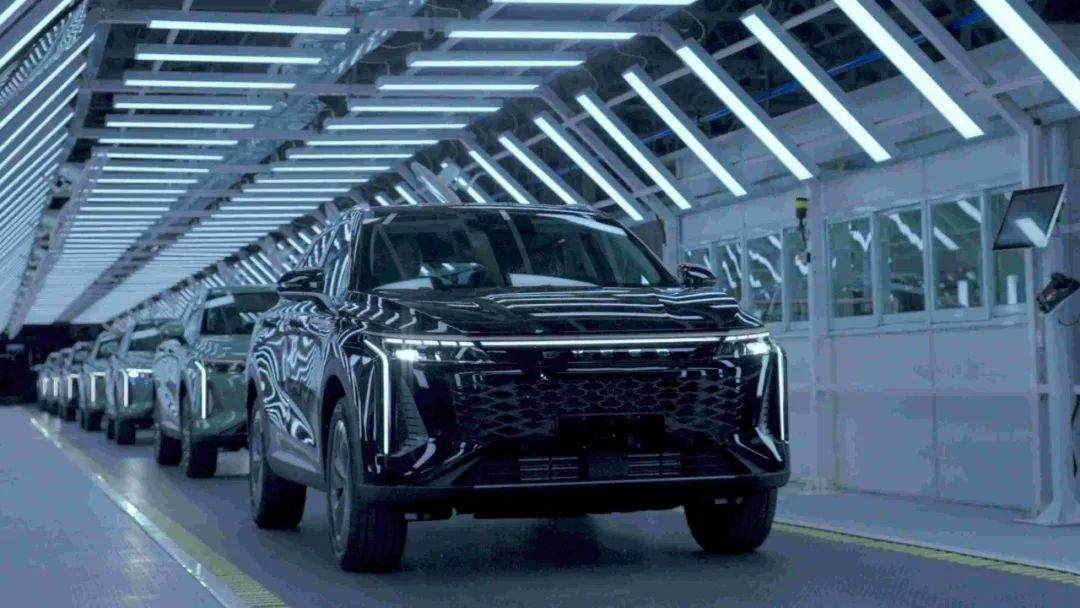
Image Source: Chery Automobile
This policy also narrows the tax gap between internal combustion, hybrid, and electric models, creating a more balanced competitive environment for traditional automakers. It clarifies policy directions, maintaining support for pure electric and fuel cell vehicles while phasing out incentives for transitional technologies like plug-in hybrids.
Future Directions in Automotive Taxation
As electric vehicle ownership grows, the tax base for traditional fuel taxes diminishes, highlighting the need for new revenue sources. Discussions about potential taxation models, such as weight-based taxes or road usage fees embedded in electricity prices, are gaining traction.
Cui suggests that this tax adjustment is just the beginning of broader reforms in China’s automotive tax system. A hybrid model of “base fixed tax + differentiated tiered tax” is envisioned, ensuring that all road users share the public costs fairly.
As the industry adapts to these changes, a fair tax framework covering the entire vehicle lifecycle—from purchase to ownership to use—is emerging, paving the way for genuine equality in the automotive sector.
Original Story at autonews.gasgoo.com