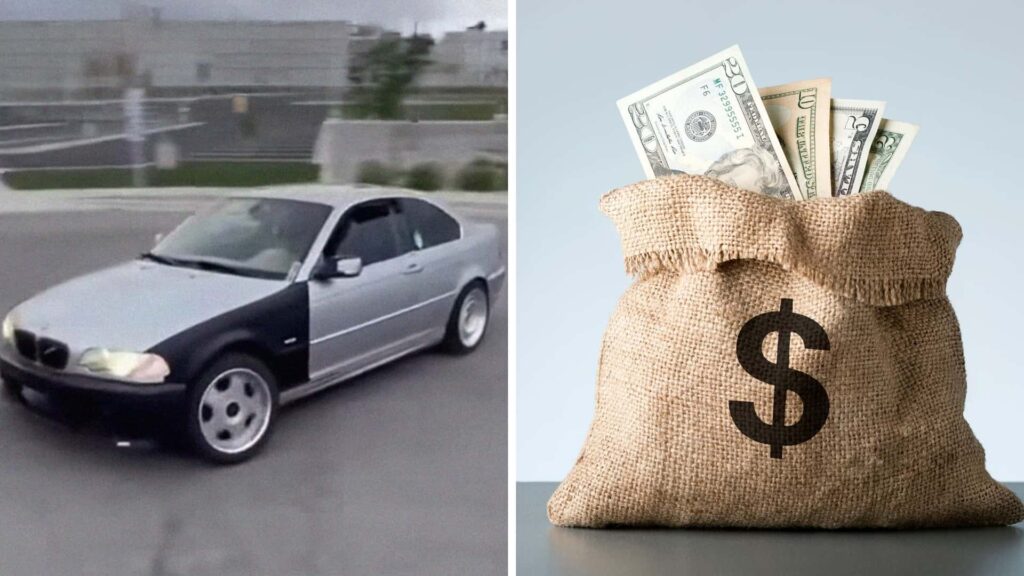
Transforming a used vehicle with extensive modifications might seem like a thrilling venture, promising a blend of personal satisfaction and potential profit. However, the reality often contradicts this expectation, as demonstrated by a Utah man’s automotive journey.
Braxton Butterfield, an automotive enthusiast, shared his experience on Facebook, revealing the pitfalls of investing heavily in car modifications. Butterfield purchased a used car for $2,000 and invested an additional $7,000 in modifications, only to find the car’s value had depreciated substantially.
Understanding the Financial Impact of Car Modifications
Butterfield’s Facebook Reel, which has attracted over 797,000 views, humorously highlights this issue. In the video, he performs impressive car maneuvers, yet the on-screen text delivers a sobering message: “My hidden talent is that I can put 7k into a 2k car and make it worth $1,500.”
While his tone is light-hearted, the underlying message resonates with many car enthusiasts who have faced similar financial dilemmas. Commenters on his post shared their own stories, echoing the sentiment that heavy investments in car modifications do not necessarily translate into increased vehicle value.
Comments from users like “I put $25k into a $5k car and made it unsellable,” emphasize the financial risks involved in such endeavors. The consensus among car enthusiasts is clear: modifications often decrease a vehicle’s value.
The Downside of Customizing Vehicles
Why do modifications often lead to a decrease in value? The answer lies in the niche appeal of customized vehicles. While performance upgrades like engine swaps or cosmetic changes such as stickers or pink interiors might attract a specific audience, they limit the car’s broader market appeal.
According to Yahoo Finance, extravagant modifications can significantly reduce a car’s value. The preference for unmodified, stock vehicles stems from their broader marketability and ease of sale.
Butterfield explained in an interview with Motor1 that while modifications might enhance performance, they often deter potential buyers looking for a stock vehicle. “Most used car drivers will want a stock vehicle compared to a modified vehicle even if its parts are upgraded from stock,” he stated.
He further elaborated, “Although modifying your car can increase the performance and make the car drive way better than stock and in turn should increase the value, it actually decreases the value to most as it takes a certain buyer to buy what someone else has already built.”
The overarching lesson for car enthusiasts is that while modifying a vehicle can be a fulfilling endeavor, it is unlikely to be a financially beneficial investment.
Original Story at www.motor1.com