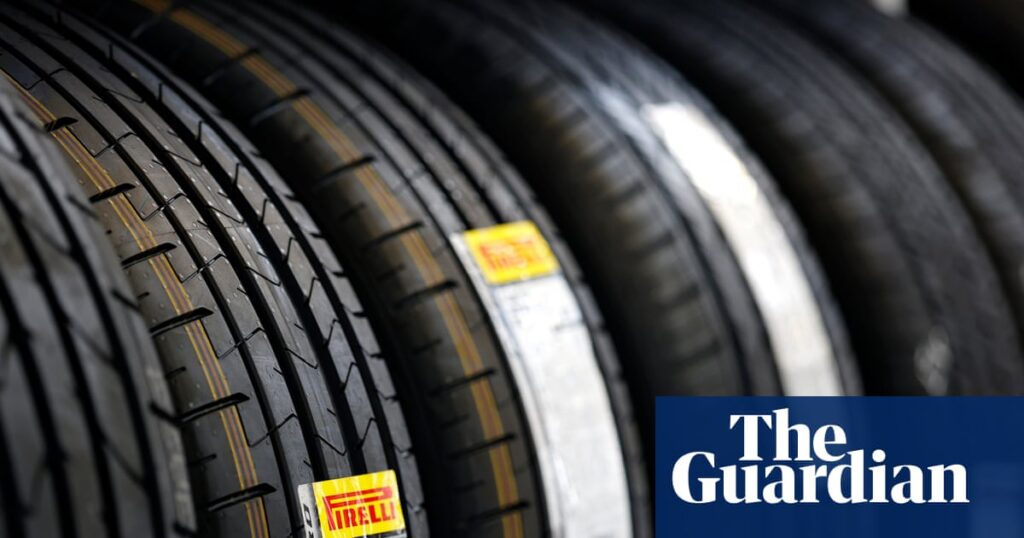
California Sets Precedent with Energy-Efficient Tire Mandate
In a groundbreaking move, California has become the first state in the United States to require that replacement tires meet energy efficiency standards. This pivotal regulation aims to phase out older tire models, contributing to reduced emissions and cost savings for drivers.
The mandate, approved by the California Energy Commission (CEC), is designed to lower emissions and cut fuel expenses for consumers. However, this initiative has faced opposition from some quarters, with critics describing it as a significant overextension of regulatory power. Conservative media outlets have been particularly vocal, labeling the policy as a “massive overreach.”
The regulations, which will commence in 2029, require replacement tires to match the energy efficiency of those fitted on new vehicles. The CEC highlights that replacing tires often leads to diminished fuel efficiency or range, particularly affecting electric vehicles. New vehicles come equipped with low “rolling resistance” tires that maximize fuel economy, whereas older or used replacement tires tend to consume more energy.
According to the CEC, these standards will potentially save California drivers approximately $1 billion annually on gasoline and electricity costs. Additionally, the regulations are expected to cut carbon dioxide emissions by around 2 million metric tons each year, equating to removing about 400,000 gasoline-powered cars from the roads.
Bill Magavern, policy director for the Coalition for Clean Air, expressed optimism regarding the regulations: “California drivers want to save money and want to reduce harmful emissions, so I think Californians will be very pleased by having higher-quality tires on the market.” He emphasized the importance of these standards, especially given the Trump administration’s opposition to California’s environmental measures. “This will make tires more efficient, reduce emissions that cause air pollution and climate chaos … and save money for drivers who these days are faced with high fuel costs,” he added.
While Michelin supports the regulations, stating they align with the company’s approach to reducing tire impact without compromising safety, other industry groups, including Goodyear and the California Tire Dealers Association, have expressed concerns about increased costs. They argue that the mandated tires under the second phase, starting in 2033, could be significantly more expensive.
Critics have also raised enforcement concerns, fearing that foreign manufacturers might flood the market with cheaper, less safe alternatives. Tracey Norberg of the United States Tire Manufacturers Association noted the regulations are not “ready for primetime.”
Despite the criticism, the CEC maintains that the cost increase per tire will be minimal—estimated at $1.50 in phase one and $6.50 in phase two—while projecting that a typical gasoline car could save $179 in fuel costs over the life of the tires. Given the current high gas prices, these savings could be even higher.
The move towards energy-efficient tires has been a long time coming. California legislators initially passed a bill in 2003 calling for tire standards, but efforts stalled, awaiting federal action that never materialized. Now, as the fourth largest economy globally, California’s decision is anticipated to influence other states considering similar regulations.
Amidst ongoing legal battles with the Trump administration over environmental policies, Bill Magavern remarked, “At a time when the Trump administration is taking us backwards, here’s a place where the state of California can go forward and reduce costs and reduce emissions.”
Original Story at www.theguardian.com