Legislative Discussions on Environmental Protection Bills
In the ongoing efforts to address environmental concerns, key legislative measures are currently under consideration. These proposals aim to regulate waste disposal practices, enhance community benefits from power plants, and promote biodiversity.
Key Bills Under Review
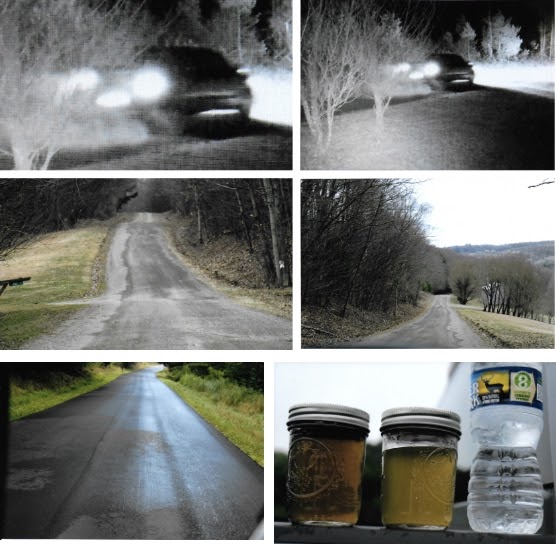
Among the bills under discussion is House Bill 84 (Vitali-D-Delaware), which seeks to prohibit the application of conventional and shale gas oil and gas wastewater on roads and land. Additionally, House Bill 1567 (Mullins-D-Lackawanna) mandates public involvement in host community agreements related to power plants, setting minimum standards for these agreements. Lastly, House Bill 426 (Pielli-D-Chester) encourages the establishment of habitats for monarch butterflies and native insects at state-owned facilities.
The meeting to discuss these proposals is scheduled for 11:00 a.m. in Room B-31 of the Main Capitol. Interested individuals can watch the proceedings online.
Focus on Road Wastewater Disposal
The environmental implications of road dumping conventional oil and gas wastewater are a significant concern. Research led by Dr. William Burgos from Penn State highlights the environmental risks associated with this practice, noting that there is no further research needed to justify a ban on road dumping. “There’s no more research that needs to be done,” Dr. Burgos stated, emphasizing the necessity for legislative action.
Conventional wastewater has been found to contain pollutants exceeding environmental standards and is ineffective as a dust suppressant. The Department of Environmental Protection and various environmental groups support legislative efforts to ban such practices.
Environmental and Health Risks
Studies have consistently shown the dangers of wastewater spreading, including the release of pollutants like radioactive radium. Dr. Burgos noted that both conventional and unconventional wastewater share similar chemical characteristics, posing significant risks to human health and the environment.
According to a 2018 study, road spreading of oil and gas wastewater can harm aquatic life and requires significant dilution to meet safety standards. The practice also contributes to the salinization of water resources, affecting agriculture, infrastructure, and aquatic ecosystems.
Regulatory Efforts and Challenges
The Department of Conservation and Natural Resources and the Allegheny National Forest have both banned the use of oil and gas wastewater on roads, citing environmental concerns. Despite these bans, conventional well owners have continued the practice, exploiting regulatory loopholes.
Efforts to regulate road dumping have seen limited success, with compliance issues persisting. The repeated application of wastewater on roads continues to pose environmental hazards, leading to discussions on the need for stricter regulations.
Contact Information
For further information, Rep. Greg Vitali can be reached at 717-787-7647 or via email at gvitali@pahouse.net. Rep. Jack Rader, Jr. can be contacted at 717-787-7732 or through this link.
“`
Original Story at paenvironmentdaily.blogspot.com