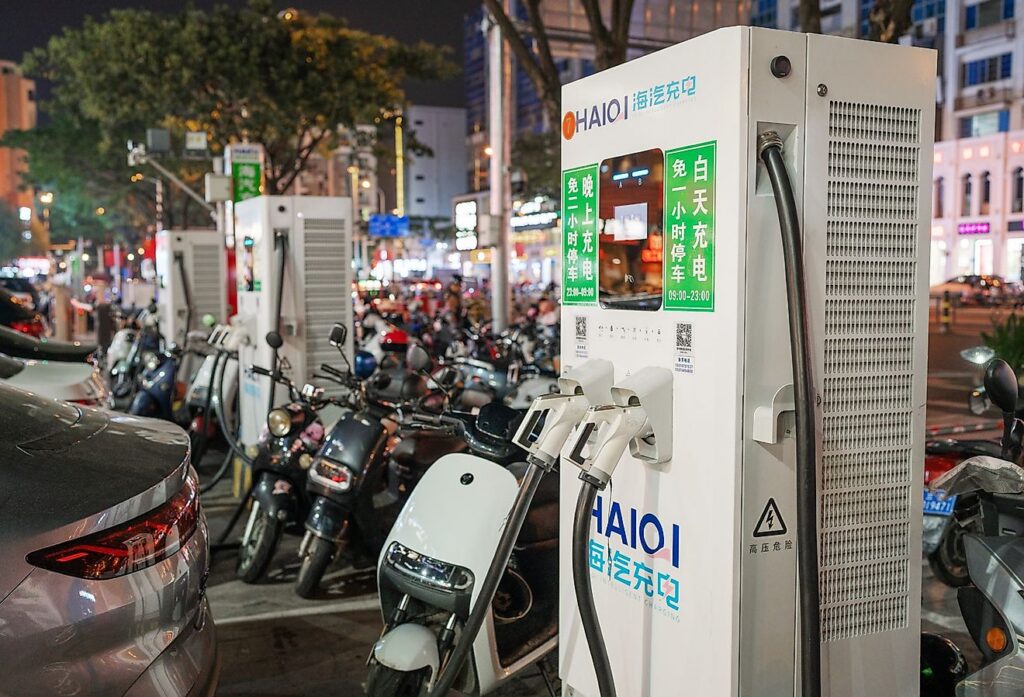
In a world rapidly transitioning from fossil fuels to electricity, a new term has emerged to describe countries gaining influence in this electrified economy: electrostate. As the global energy landscape evolves, understanding the dynamics of electrostates offers a glimpse into future geopolitical power structures.
Understanding Electrostates
Electrostates are nations whose power derives from leading in the production and use of clean energy technologies. Unlike petrostates, whose influence stems from fossil fuel exports, electrostates harness electricity-based systems like electric vehicles, solar panels, and batteries. The term is primarily used by policy researchers and think tanks to explain shifts in global power dynamics as countries move towards electrification.
Analysts have identified two types of electrostates. A production electrostate dominates the manufacturing and export of clean-energy technologies. In contrast, a consumption electrostate has a high share of energy consumption from electricity, reducing reliance on fossil fuels. Countries that exemplify both attributes are considered full electrostates.
The Rise of Electrostates
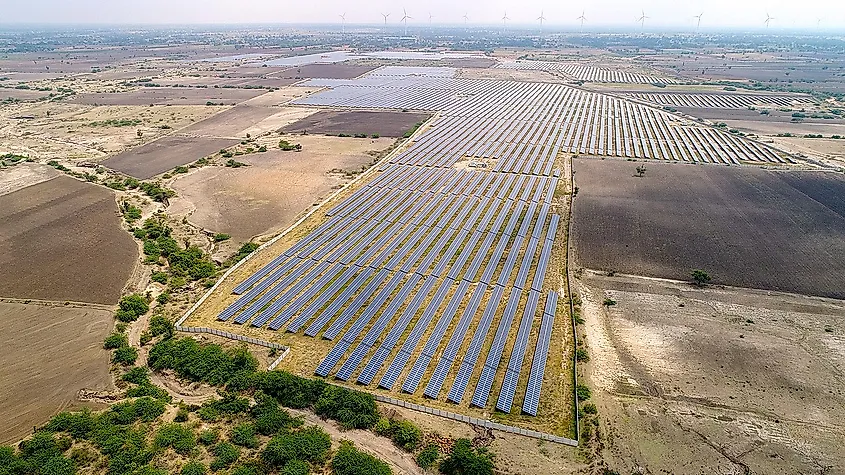
The mid-2020s marked a significant shift as solar and wind energy began to supply a substantial portion of global electricity. In 2025, renewables generated more electricity than coal for the first time over a sustained period, according to Ember’s analysis. This transition has prompted questions about which countries will wield power in an electrified world, leading to the electrostate concept.
Electrostates vs. Petrostates
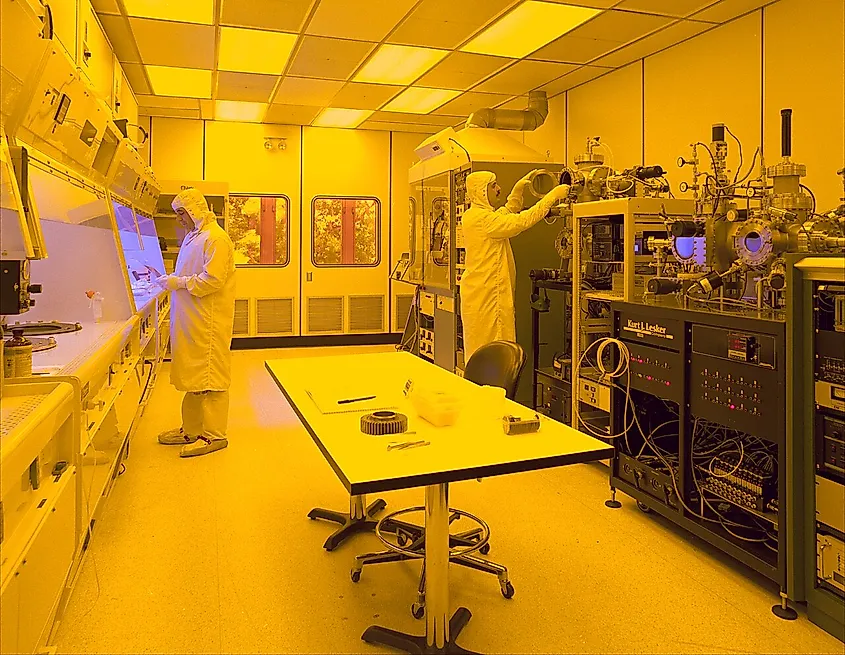
While petrostates like those in the Middle East derive influence from fossil fuel reserves, electrostates gain power through technology and manufacturing capabilities. This involves producing electric vehicles, solar panels, and semiconductors, with influence often coming from controlling key stages of global supply chains.
China: A Leading Electrostate
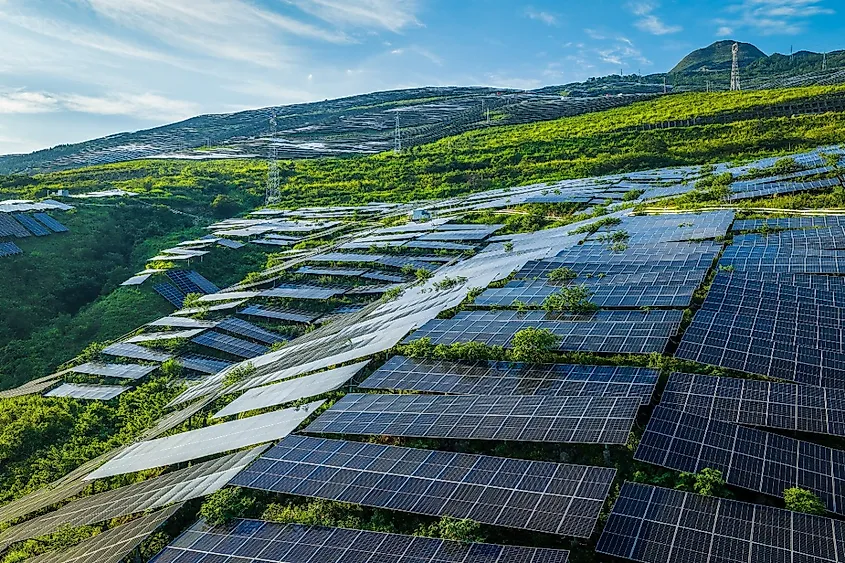
China stands out as a prime example of an electrostate, excelling in both production and consumption. The country manufactures the majority of the world’s solar panels, batteries, and electric vehicles. Its dominance extends to the refining and processing of critical battery minerals. Domestically, China’s electricity consumption is increasing, with significant investments in electric vehicles and solar energy.
Other Notable Electrostates
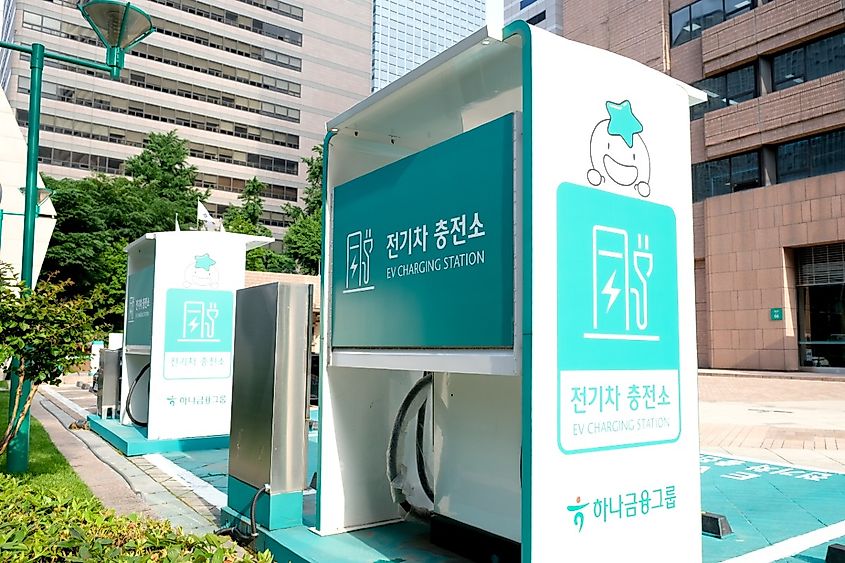
Countries like India, South Korea, and the European Union exhibit electrostate characteristics. India is emerging as a consumption electrostate with significant investments in solar energy. South Korea is recognized for its production capabilities, particularly in semiconductors and batteries. The EU is working towards greater electrification and clean-tech manufacturing, though its efforts are spread across multiple member states.
Critical Minerals and Supply Chains
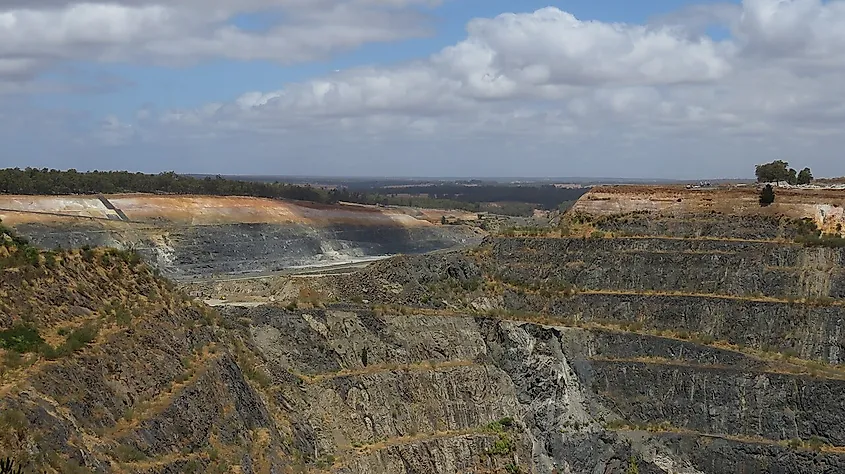
The electrostate framework relies heavily on critical minerals like lithium, cobalt, and nickel, which are essential for clean energy technologies. These minerals are often sourced from a few key countries, with processing and manufacturing concentrated in nations like China, which dominates the refinement and production stages.
Impact on Global Power Dynamics
As electrification reshapes global power, influence increasingly depends on technological leadership, manufacturing capacity, and supply chain integration. The transition from resource-based power to technology-driven influence marks a significant shift in the geopolitical landscape.
Geopolitical Implications
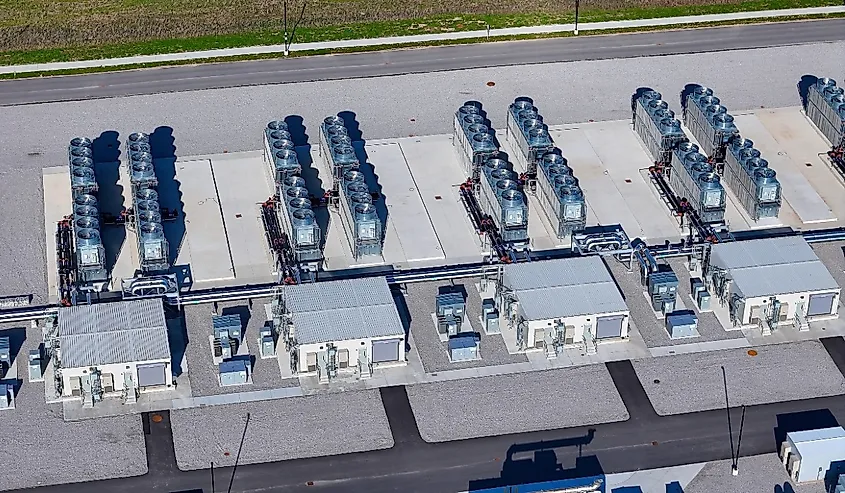
Electrostates are redefining global influence by focusing on industrial capacity and supply chain control rather than fossil fuel reserves. This shift creates a complex web of dependencies across different stages of production, with countries vying for control over critical technologies and resources. China’s comprehensive involvement in multiple stages of clean energy production exemplifies this new model of power.
Original Story at www.worldatlas.com