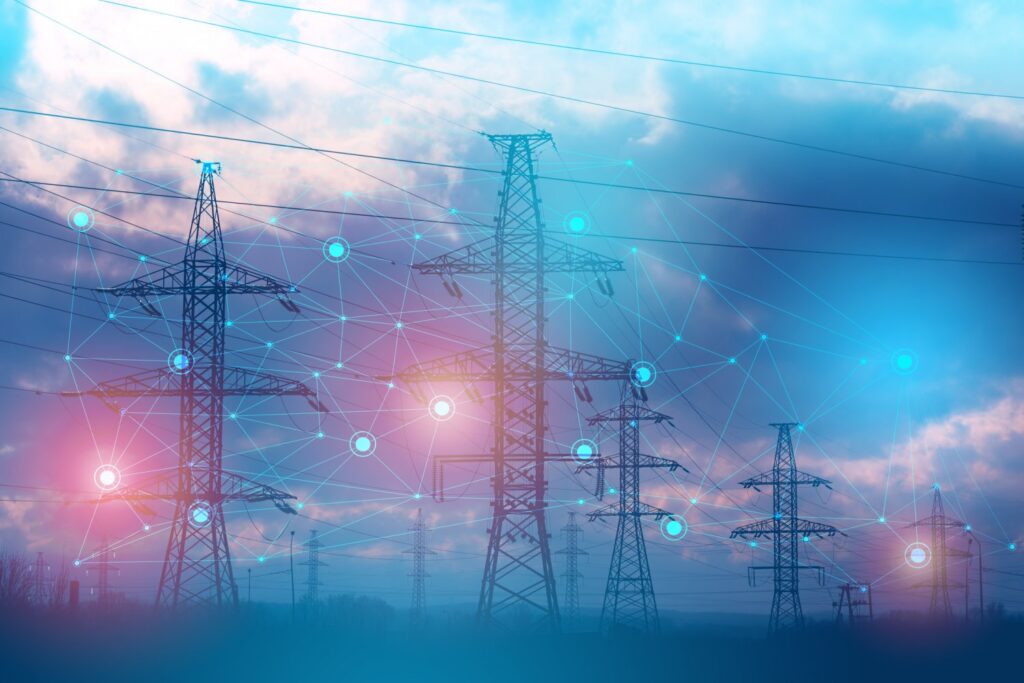
AI’s Dual Role in Energy: A Catalyst for Transition and a Challenge for Grids
The intersection of artificial intelligence and energy consumption is gaining increasing scrutiny. While AI-driven data centers could strain electrical grids, elevate customer costs, and hinder the clean energy transition, AI also holds promise in facilitating this very transition.
AI is playing a critical role in reducing energy usage and emissions across various sectors, including buildings, transportation, and industry. It aids in the strategic planning of new renewable energy installations such as wind and solar, as well as energy storage solutions.
In the realm of electric power grids, AI algorithms improve operational efficiency and cost-effectiveness. They aid in integrating renewable resources and predicting maintenance needs to avert equipment failures and potential blackouts, thus ensuring a reliable power supply.
The Data Center Power Forum announced by the MIT Energy Initiative (MITEI) highlights the institution’s commitment to addressing the challenges posed by data center energy demands.
Real-Time Grid Management
Ensuring a continuous electricity supply amidst the growing presence of intermittent renewable sources like solar and wind is becoming more complex. Anuradha Annaswamy, a senior research scientist at MIT, emphasizes the necessity of integrating a comprehensive information infrastructure alongside the physical one to maintain grid reliability.
Artificial intelligence is pivotal in forecasting energy supply and demand, optimizing operations to accommodate the fluctuating inputs from new and traditional energy sources. AI can also enable consumers to manage their electricity consumption dynamically, such as charging electric vehicles during off-peak times to reduce costs.
AI also facilitates predictive maintenance by monitoring equipment performance and alerting operators to potential issues before they lead to failures. This capability enhances equipment longevity and operational efficiency.
Planning Future Infrastructure with AI
Grid companies must anticipate and plan infrastructure needs well in advance to maintain future reliability. Deepjyoti Deka of MITEI points out the difficulty of predicting infrastructure requirements amid increasing renewable integration and changing weather patterns.
AI aids in these predictions by simulating weather impacts and optimizing infrastructure planning processes. By expediting regulatory review processes, AI accelerates the development of critical energy infrastructure.
Innovating with Advanced Materials through AI
The use of AI in materials science is rapidly advancing. Ju Li, MIT’s Carl Richard Soderberg Professor, highlights AI’s role in enhancing atomic-scale simulations and guiding laboratory experiments in real-time, thus expediting materials discovery.
AI’s ability to synthesize vast amounts of literature and experimental data contributes to a more efficient discovery process, essential for developing new materials for sustainable energy systems.
MITEI’s Role in AI and Energy Research
MIT researchers, supported by MITEI, are exploring AI applications across various energy domains. Projects include improving fusion reactor models, optimizing electric grid planning, and developing advanced materials for energy applications.
MITEI also focuses on reducing data center energy demands through innovative designs and technologies. As a convenor, MITEI facilitates collaboration among academia, industry, and government to address AI’s dual role in energy challenges and solutions. William H. Green, MITEI’s director, underscores the priority of balancing data center energy demands with AI’s potential benefits for the energy transition.
Original Story at news.mit.edu