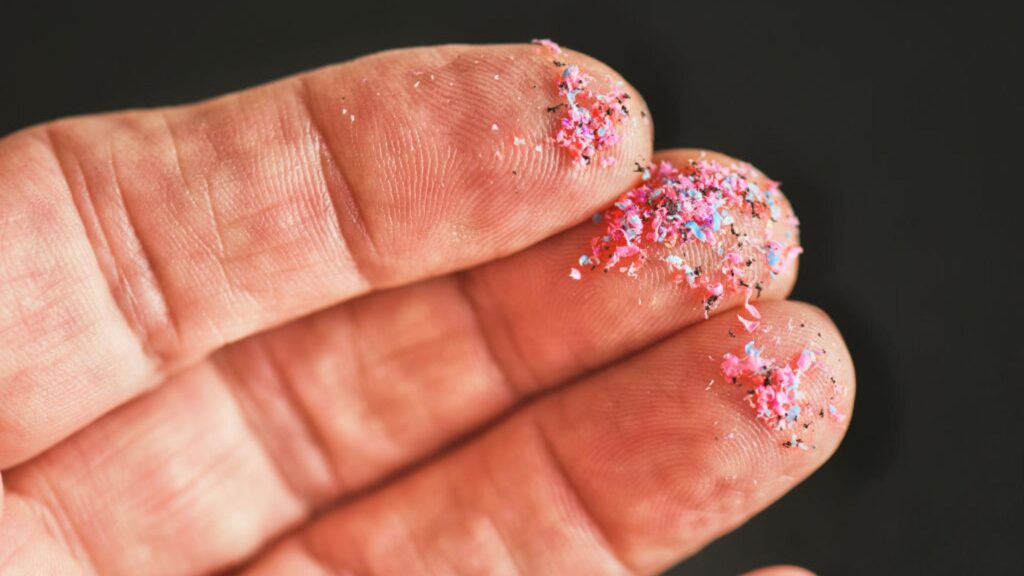
Microplastics: A Growing Environmental Concern
Microplastics can be found in a variety of places, from the depths of the ocean to the air we breathe. These tiny particles have also infiltrated our drinking water and cosmetic products, and are even present throughout the human body, as evidenced by recent studies. Now, scientists are examining how these airborne particles might be contributing to climate change.
The question arises: should we be alarmed about the presence of microplastics in our environment?
Sources of Airborne Microplastics
Microplastics are defined as plastic particles smaller than five millimeters, originating from the breakdown of larger plastic items. This breakdown occurs through activities like washing polyester fabrics or using automobile tires, releasing particles that can be carried by the wind.
Once airborne, these particles can impact the climate. Fay Couceiro, a professor of environmental pollution at the University of Portsmouth, explains, “Particles in the air can affect the air in two ways. They either reflect the sunlight back out to space so it doesn’t heat the planet, or they absorb it, and then they warm the air around them, and it does warm the planet.”
Climate Impact of Microplastics
According to a study published in Nature Climate Change, airborne microplastics, especially dark-colored ones, tend to absorb more heat than they reflect. This absorption contributes to global warming, with an estimated impact equivalent to one-sixth of the warming caused by black carbon, a pollutant from fossil fuels.
Despite this, Ian Mudway, an associate professor of environmental toxicology at Imperial College London, notes that microplastics are a “very, very tiny fraction of the contaminants that we have within our air,” suggesting their impact is minor compared to greenhouse gases like carbon dioxide and methane.
Potential Health Impacts of Microplastics
The effects of microplastics on human health remain largely unknown. Couceiro points out, “It takes a long time to tease out what’s the impact from plastic, as opposed to the impact of obesity or the impact of age or the impact of all sorts of other things that we have in our lives.”
However, studies on human cells suggest that high concentrations of microplastics can lead to inflammation and endocrine disruption. Couceiro’s research on algae also showed significant ecosystem disturbances caused by microplastics, affecting food sources and the health of various marine animals.
Mudway argues that the environmental damage caused by microplastics should be enough to prompt action, even without conclusive evidence of harm to human health.
Managing Airborne Microplastics
While the complete eradication of airborne microplastics is currently unfeasible, individuals can reduce exposure by using high-efficiency HEPA filters, which can remove over 99% of nanoparticles in indoor environments.
Couceiro advises reducing plastic use at home as a practical step, adding, “Reducing the amount of plastic that we have in our homes will reduce the amount [of microplastic] we breathe in. We need to approach it sensibly, but there’s enough evidence of harm that we should be concerned.”
“`
Original Story at time.com