From Living on Earth, public radio’s environmental news magazine, an interview with Dr. Vanessa Kerry from Harvard T. H. Chan School of Public Health.
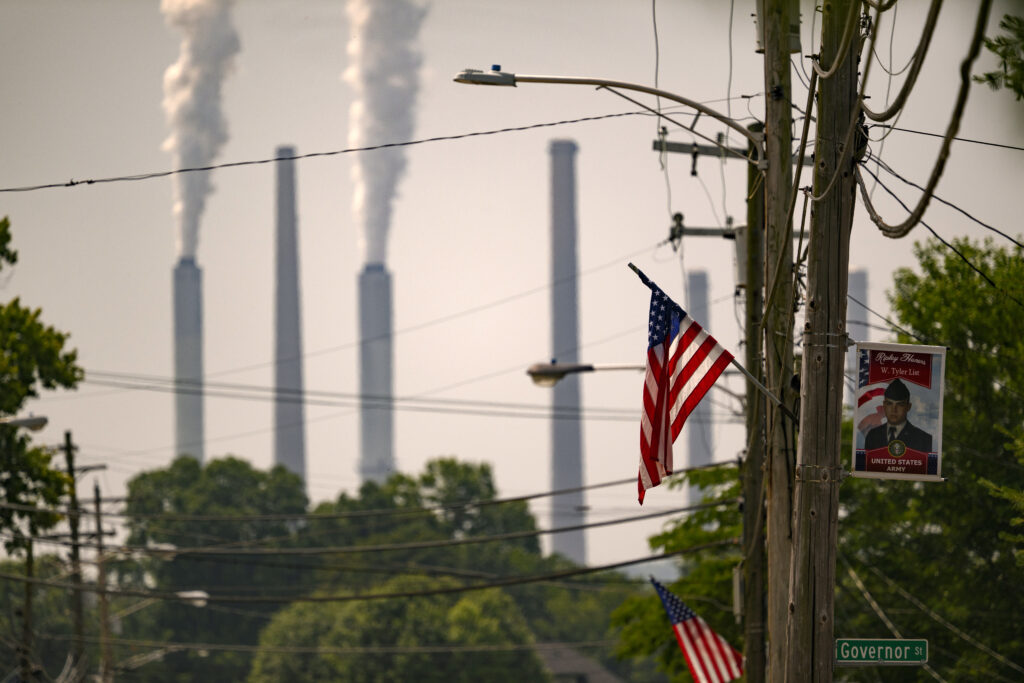
The Six Cities study by Harvard University public health experts in the 1990s first revealed coal power plants’ serious health effects on people living downwind. Initial research indicated up to 70,000 Americans died prematurely due to tiny emitted particles. Recent Harvard studies link up to 300,000 U.S. deaths annually to fossil fuel combustion, alongside carbon emissions exacerbating global warming.
Dr. Vanessa Kerry, a critical care physician directing Harvard’s Global Health and Climate Policy program, discusses pollution’s health costs. She is also the World Health Organization special envoy for climate change and health.
STEVE CURWOOD: Environmental groups have shifted messaging on air pollution’s environmental health impact. How does this help people understand their daily environmental impact?
VANESSA KERRY: The messaging shift around the environment and climate change is twofold.
“When events like Canada’s wildfires turn New York’s air orange, it’s hard to deny new challenges.”
Opinions on climate are highly polarized. Some view it as a hoax, while others focus on comprehending Earth and climate changes, emphasizing lives lost or saved over temperature metrics.
Health is crucial in transitioning understanding. Extreme weather affects daily health, risking conditions like diabetes, lung, or heart disease. Health is vital for addressing these new challenges.
Economically, the health impacts of climate change are tangible. For example, the U.S. loses $100 billion in productivity due to extreme heat, projected to reach $500 billion in 20 years. Economic effects of health costs resonate with many.
CURWOOD: Harvard studies indicate 300,000 U.S. deaths annually, with global numbers 7-8 million, due to fossil fuel pollution. Fossil fuel combustion endangers health. Climate change becomes secondary to health impacts from this pollution. What’s your view?
Read More
NIH Scientists Link Air Pollution and Lung Cancer Mutations in Non-Smokers
By Keerti Gopal
KERRY: Fossil fuels profoundly affect our health. Particulate matter from fossil fuels, like particulate matter 2.5, can enter the bloodstream, posing risks like heart attacks and strokes. This pollution is dangerous and must be addressed.
CURWOOD: The U.S. Environmental Protection Agency (EPA) plans to stop calculating health care savings from air pollution rules. What does this signify?
KERRY: It undermines public and scientific understanding of the regulations’ impact. Not measuring costs neglects the economic incentive for climate action’s benefits.
When air pollution prevents work, income is lost, and companies suffer due to reduced productivity. This incomplete harm picture is detrimental.
Social determinants, like fossil fuel health costs, affect nutrition and education access, deepening poverty. The World Bank projects 44 million people will fall into poverty from climate change impacts in 20 years.
CURWOOD: With air pollution’s health and economic impacts, why isn’t this more discussed in America?
KERRY: It’s puzzling. At Harvard, we aim to explore this to link economic security and human health, emphasizing health as a vital economic growth investment.
The EPA’s calculation of $77 in health benefits for each dollar spent on reducing PM2.5 highlights potential savings.
CURWOOD: Does air pollution’s impact contribute to the U.S. economic divide?
KERRY: Climate change often worsens vulnerabilities, creating a deprivation gradient. Urban heat deserts typically affect people of color and those in poverty, exacerbating inequity globally.
“There’s a massive divide that is happening where we are exacerbating inequity.”
CURWOOD: The Heritage Foundation claims climate change alarmism dissuades family growth. How does this affect perceptions?
KERRY: The danger lies in misinformation and undermined trust in science, impacting broader public health, as seen with vaccines. Reducing environmental skepticism restores scientific communication.
During COVID, misinformation cost lives. Patients realized the impact too late. This confusion persists in climate change, affecting decisions and mental health.
Communicating fact-based, scientific discussions is crucial for making informed decisions on current challenges.
Original Story at insideclimatenews.org