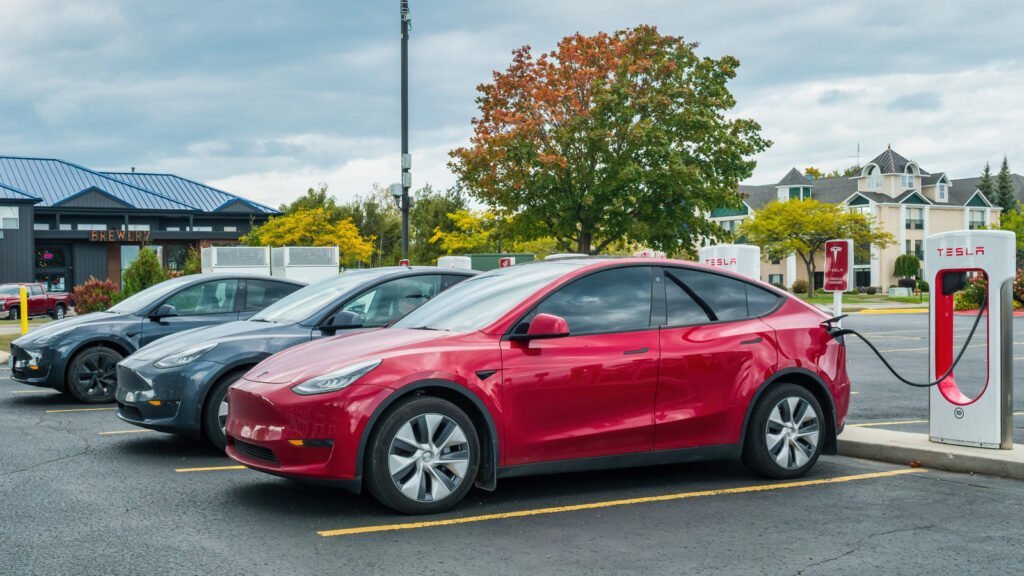
The Tesla Model Y, along with its sibling, the Model 3, played a significant role in popularizing electric vehicles. In the year 2020, Tesla reported combined global sales of over 440,000 units for these models, which accounted for more than 88% of the company’s deliveries. Such impressive numbers underscore the Model Y’s appeal.
Despite its popularity, the 2020 Model Y faces a challenging depreciation rate of around 60% over five years. To put this into context, iSeeCars reports a 49.0% average depreciation for SUVs and a 45.5% decline across all vehicle categories over the same period. The reasons behind this significant depreciation could range from reliability concerns to the frequent price adjustments by Tesla, a sluggish EV market, or even external factors like Elon Musk’s public statements.
The debut year of the Model Y, 2020, also marks the point where this vehicle enters the used-car market as a five-year-old model. This age often represents a sweet spot for buyers looking for pre-owned cars. We’ll explore insights from iSeeCars and CarEdge on how the 2020 Tesla Model Y and other electric vehicles from that year have depreciated.
Five-year depreciation for the 2020 Tesla Model Y
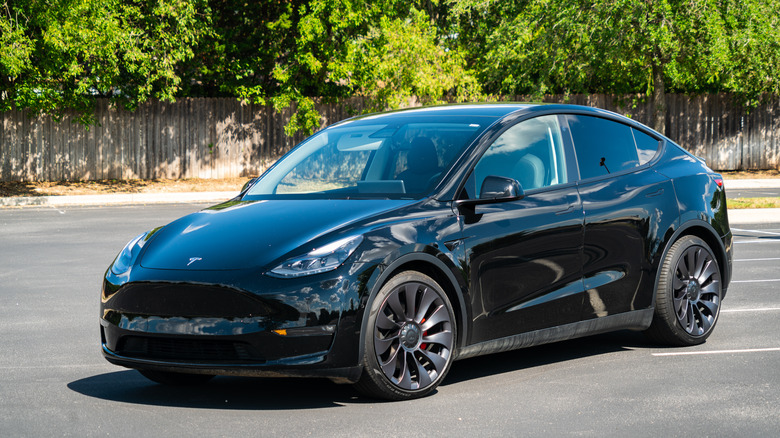
According to iSeeCars, the 2020 Tesla Model Y has depreciated by 60.8% over five years, translating to a $36,499 loss in value, or approximately $20 per day. The remaining resale value stands at $23,491. A significant portion of this depreciation occurs within the first three years, with a 56.1% drop, or $33,653 loss, equating to about $31 per day. Future depreciation projections suggest rates of 72.3% for seven years and 80.1% for ten years. It’s uncertain whether the updated Tesla Model Y will affect these figures.
CarEdge provides similar data, indicating a five-year depreciation of 61.1% for the Model Y, reinforcing the model’s consistent value loss. Their analysis shows a 58.1% depreciation over three years and 76.2% over seven years, with a close 80.4% rate over ten years. CarEdge bases its evaluations on vehicles in good condition with an average annual mileage of 13,500 miles, whereas iSeeCars compares current listings to original manufacturer suggested retail prices without specifying condition requirements.
How Tesla Model Y depreciation compares to rivals
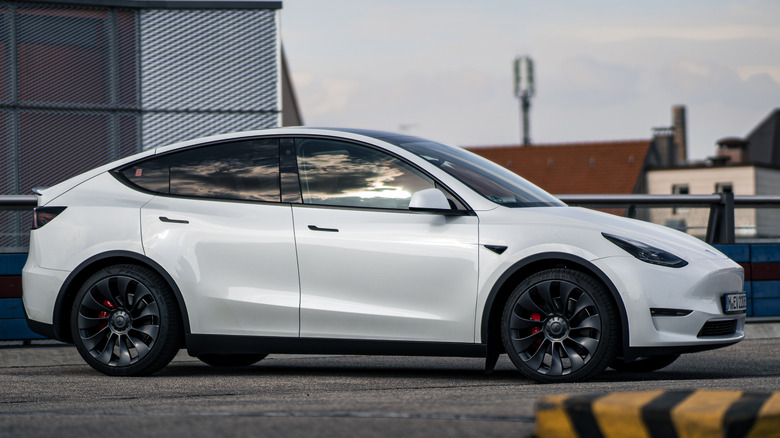
In the 2020 landscape, the EV market was far less saturated than it is today. The only comparable alternative to the Model Y in terms of range and pricing was the Model 3, disregarding the SUV versus sedan distinction. iSeeCars notes that the 2020 Tesla Model 3 experienced a 57.0% depreciation over five years, retaining slightly more value than the Model Y.
Broadening the competitive scope of EVs from 2020, the Jaguar I-Pace suffers a more severe depreciation of 71.9% over five years, according to iSeeCars. As highlighted by Jalopnik in 2024, the Jaguar I-Pace’s value dropped to levels comparable to a Toyota Camry. Similarly, the Hyundai Kona Electric has a depreciation rate of 57.8%, mirroring that of the Model 3. The Nissan Leaf witnessed a 64.5% decline over five years. While iSeeCars and CarEdge do not track the Kia Niro EV’s depreciation, Kelley Blue Book estimates a 64% depreciation within just three years.
Original Story at www.jalopnik.com