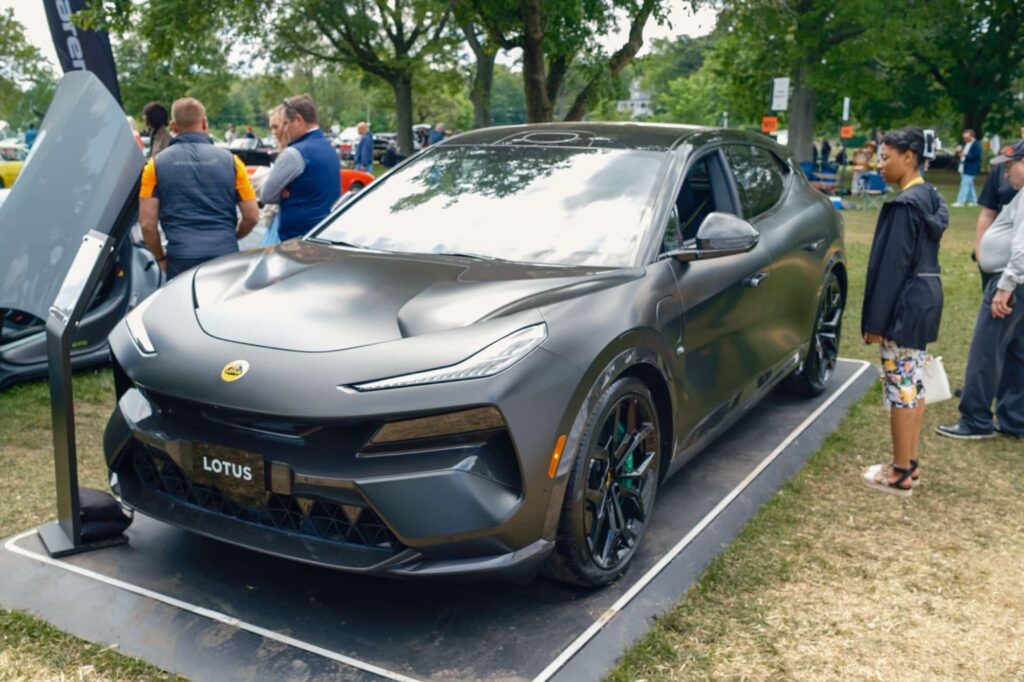
In a significant shift for the British automotive industry, Lotus is planning to cease production at its Hethel factory in Norfolk, where it has been a staple for nearly six decades. This strategic move to the United States is primarily influenced by tariff challenges and the evolving electric vehicle (EV) market, according to a report from Autocar. The decision could have profound implications, affecting approximately 1,300 jobs in the UK and redefining the brand’s future direction.
Tariff Challenges Influencing Production Relocation
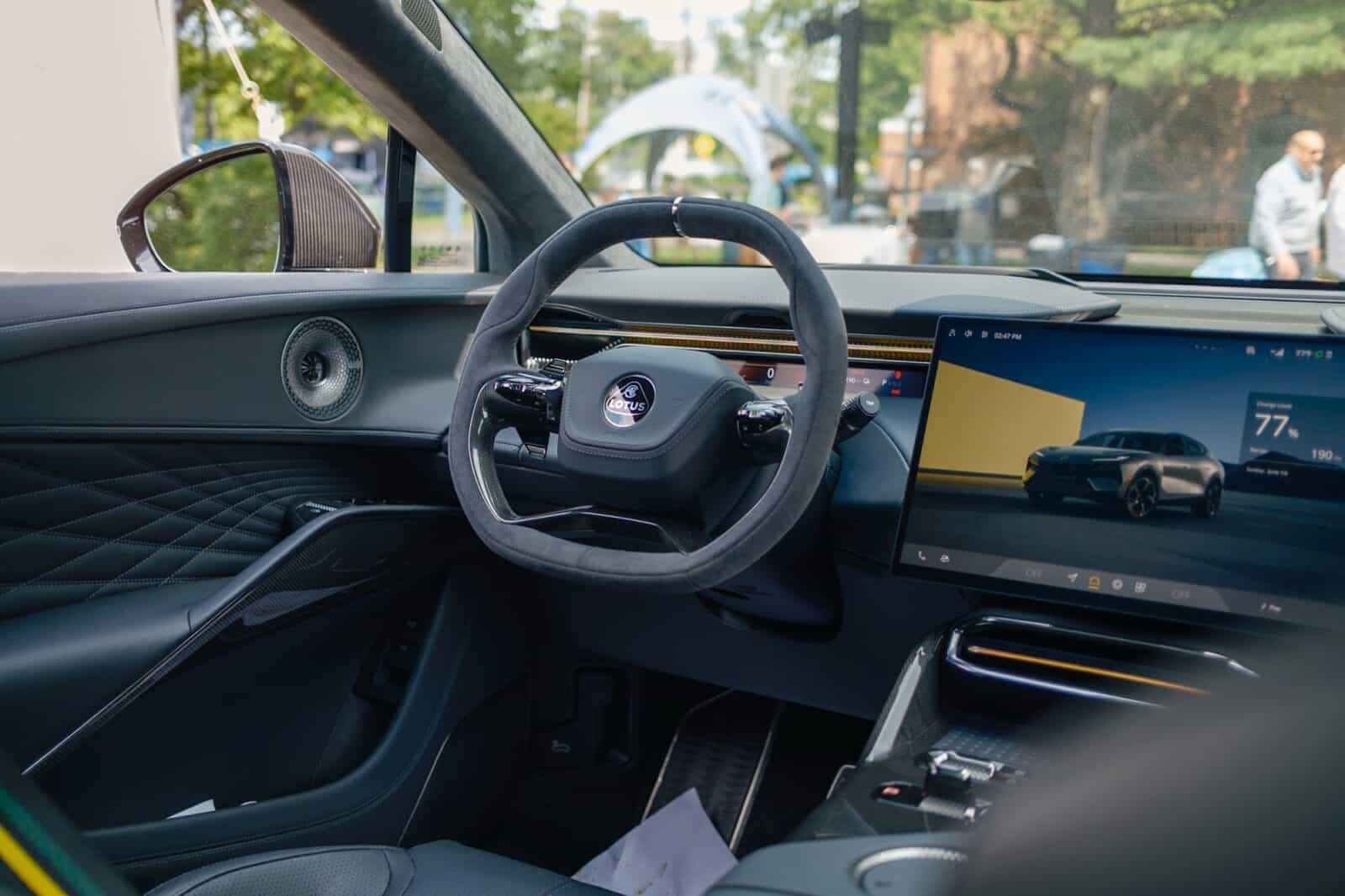
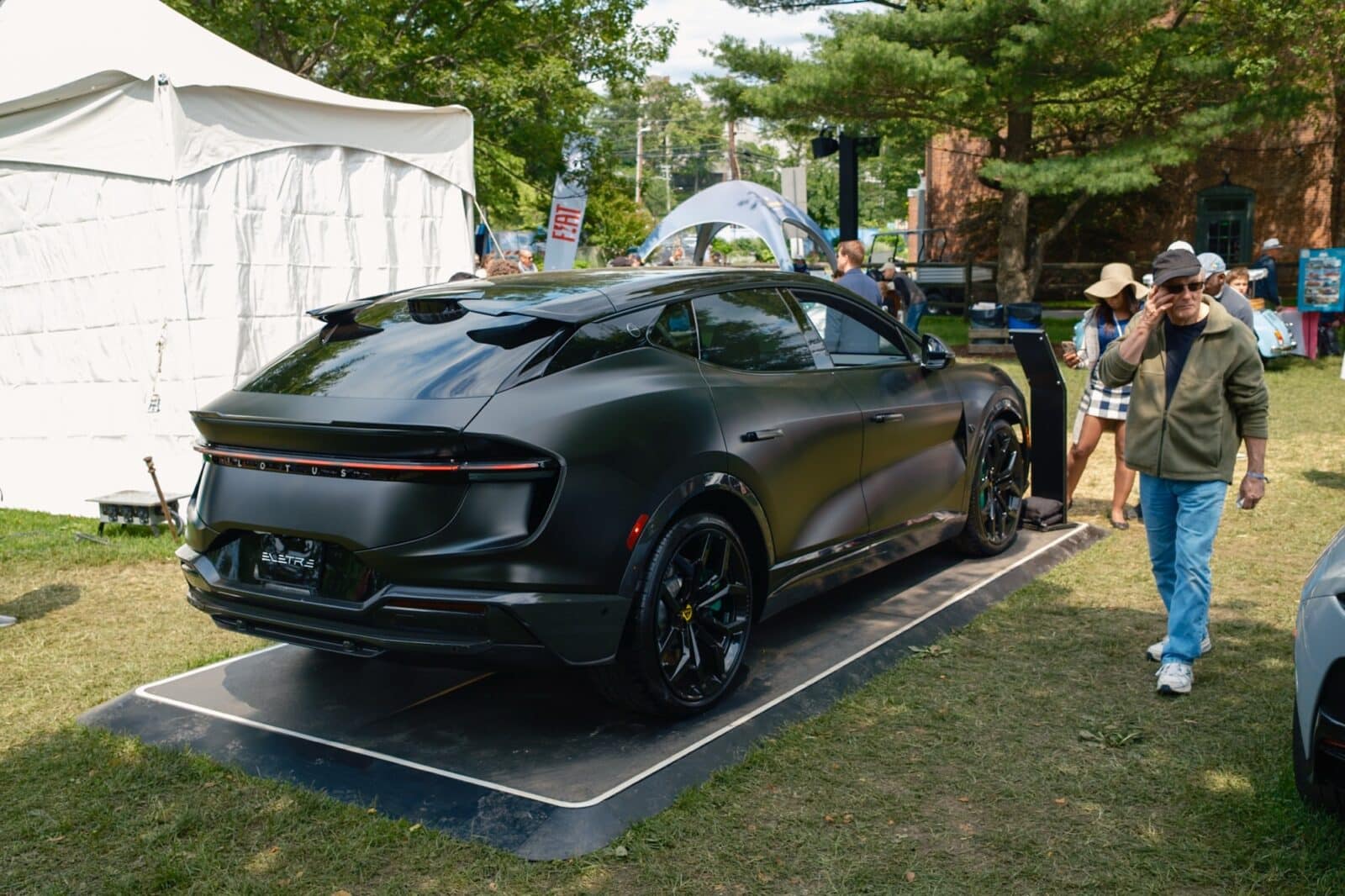
The imposition of a 25% tariff on imported vehicles and a 100% tariff on Chinese-manufactured EVs, such as the Lotus Eletre SUV, has significantly impacted Lotus in its key U.S. market, where a substantial portion of its 2024 sales were recorded. This economic barrier has prompted Lotus to explore production relocation to mitigate these financial strains.
“We believe that localisation is a feasible plan,” Lotus CEO Feng Qingfeng stated during a recent earnings call, highlighting the importance of leveraging their U.S. strategy.
One potential production site is Volvo’s underutilized plant in Ridgeville, South Carolina, which could facilitate tariff-free manufacturing. This facility is also owned by Geely, Lotus’s parent company, offering a strategic advantage for producing models like the Emira.
Challenges in the Electric Vehicle Market
Lotus’s expansion into the EV market has encountered obstacles, with a notable 42% drop in first-quarter sales and a 31% decrease in deliveries of the Eletre and Emeya sedan, totaling 719 units.
“In recent years, premium brand BEV penetration does not meet our expectation,” Feng commented, pointing to declining demand in the U.S., Europe, and China.
Financially, Lotus is under pressure, reporting a $183 million net loss and $3.3 billion in debt for the quarter, despite Geely’s significant investment since 2017.
The development of an electric sports car at Hethel faces uncertainty, with Lotus Europe CEO Matt Windle expressing uncertainty about market readiness: “Is the market ready for an electric sports car? I don’t really know the answer to that yet.”
Embracing Hybrid Technology
As part of its strategic pivot, Lotus plans to focus on Hyper Hybrid plug-in hybrid electric vehicles (PHEVs), with the first hybrid Eletre expected to debut in China in early 2026. This aligns with industry trends where hybrids are seen as a transitional technology, especially in markets like the U.S. where combustion engines remain prevalent.
The Hethel facility, which produced 5,000 Emiras last year, was originally intended for new projects like the Polestar 6 electric roadster. “I think we could build it,” Windle said, noting the necessity of moving to electrified platforms.
Economic and Industry Implications
Shutting down Hethel would be a setback for the UK’s automotive industry, which saw a production decline to 905,233 vehicles in 2024. This may hinder the government’s target of reaching 1.3 million by 2035, following Geely’s $126 million investment in modernizing the Hethel facilities.
While a U.S. move could stabilize pricing and availability for EV enthusiasts, it risks diminishing the British identity of the Lotus brand. A former Lotus executive criticized the closure plans as “a disgrace.” As Lotus tackles tariffs, debt, and EV market volatility, its U.S. strategy will be pivotal in determining its future trajectory.
Original Story at evxl.co