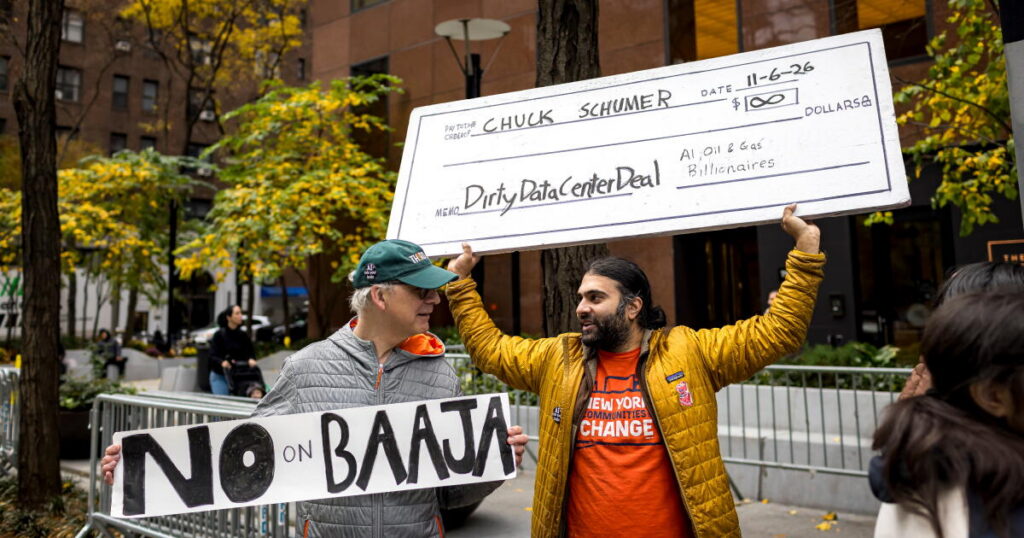
In a significant legislative development, the U.S. Senate has moved forward with a comprehensive permitting reform bill that aims to transform the way energy and infrastructure projects are approved and constructed across the United States, including California. This bill, known as the Bipartisan American Affordability and Jobs Act (BAAJA), represents the largest shift in federal energy and infrastructure permitting in several decades and is seen as a pivotal piece of legislation following the 2022 Inflation Reduction Act.
By a vote of 62 to 33, the Senate passed BAAJA, with bipartisan support including 15 Democrats, such as Minority Leader Chuck Schumer. However, California Senators Adam Schiff and Alex Padilla opposed the bill, citing concerns that while it addresses some key issues, it also has significant downsides.
The bill’s provisions include modifications to major environmental laws like the National Environmental Policy Act and the Clean Water Act, aiming to streamline environmental reviews and reduce litigation opportunities. It also proposes changes to facilitate the construction of new transmission lines and energy projects, potentially speeding up the clean energy transition but also easing the path for fossil fuel infrastructure.
Michael Wara, director of Stanford’s Climate and Energy Policy Program, highlighted the dual nature of the legislation, stating, “It does some concerning things to environmental law. On the other hand, it clears a pathway for permitting of infrastructure we need to build.”
One project that might benefit from BAAJA is the Western Gateway Pipeline, which would deliver refined fuels to the West Coast. While this could reduce California’s reliance on in-state refineries and potentially lower gasoline prices, it also raises concerns about increasing fossil fuel infrastructure.
The bill also seeks to enhance the nation’s energy grid by supporting longer-distance transmission projects to bring clean electricity to states like California from wind farms in Wyoming or solar fields in Nevada. Clean energy advocates argue that such measures are essential to modernize the energy system and reduce greenhouse gas emissions.
Democratic Sen. Martin Heinrich of New Mexico emphasized the environmental benefits, stating the bill could prevent 1.5 gigatons of carbon emissions and save $54 billion in public health costs, while accelerating projects like the SunZia wind project.
Despite the support, some environmental and tribal groups remain opposed, citing concerns over the erosion of protections for wildlife and public lands. Schiff and Padilla attempted to amend the bill to protect tribal sovereignty but were unsuccessful.
As the bill heads to the House, it is expected to face resistance, especially from leaders like Minority Leader Hakeem Jeffries. Some lawmakers, such as Rep. Scott Peters (D-San Diego), are pushing to finalize the bill, arguing that it represents a balanced approach to enhancing infrastructure.
Wara further noted that BAAJA includes provisions that could help California manage wildfire risks by altering how smoke pollution is addressed under the Clean Air Act, facilitating prescribed burns. He cautioned against waiting for a possibly more favorable legislative environment, stating, “You might be able to — we can’t rule out that world — but you also might well end up with nothing.”
Original Story at www.latimes.com