The Electrification Challenge: Meeting Energy Demand in a New Era
As the 21st century unfolds, the transition to electrification is picking up pace amidst the growing impacts of climate change. This shift involves replacing traditional gas-powered technologies with electric alternatives. At the same time, cleaner energy sources are increasingly powering the grid. According to Pew Research, solar energy, once a mere 0.01 percent of global electricity production, now contributes nine percent and continues to rise.
Yet, achieving a fully electrified future isn’t as straightforward as deploying wind turbines and solar arrays. Critical infrastructure must connect these renewable energy sources to the grid, a complex task exacerbated by increasing demand from electric cars, appliances, and notably, AI data centers. The U.S. faces challenges in sourcing the necessary equipment and materials to expand grid capacity to meet this demand.
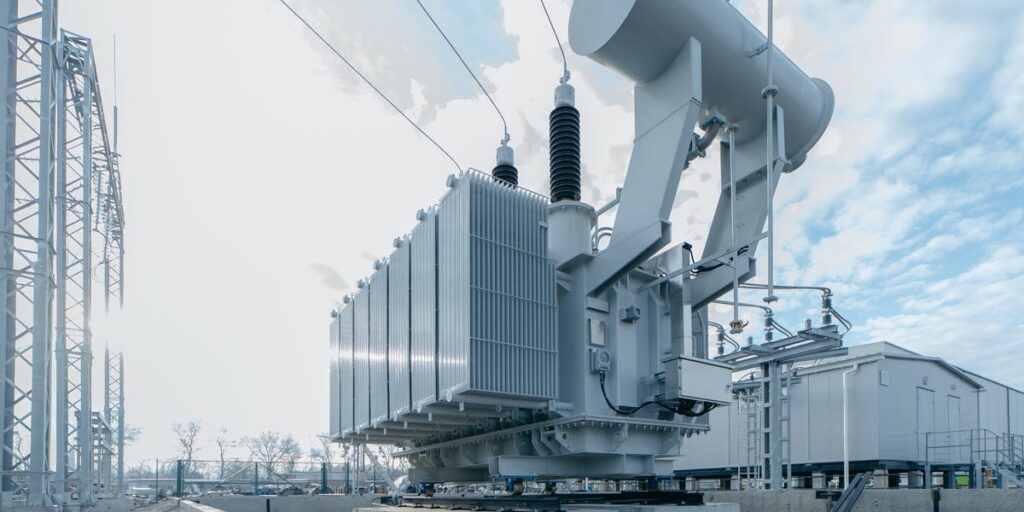
A recent study in Cell Reports Sustainability by Johns Hopkins University researchers indicates that essential grid components, including transformers and converters, may become bottlenecks. The study highlights that while electricity demand has grown since the days of Thomas Edison, the rise of AI data centers marks a significant new phase of growth.
“When the demand for electricity started to grow faster than expected, it started to amplify all the cracks in the industry,” Yury Dvorkin, co-author of the study, said in a press statement. Dvorkin and Boyu Yao note that while demand typically rose by a percent or two annually, projections now show a 21 percent increase by the decade’s end, driven largely by data centers.
Such rapid growth could strain supplies of vital materials like copper, steel, nickel, aluminum, and manganese, essential for manufacturing transformers that manage voltage on the grid. “This type of equipment was taken for granted,” Dvorkin explained. “By 2030 we’re likely to have transformer shortages even without the most aggressive power demand growth.”
Projections suggest that copper will face shortages by 2027, followed by deficits in steel and nickel, affecting not just grid utilities but also wind power installations and EV charging infrastructure. An earlier S&P Global study found that copper could experience a 10 million metric ton deficit by 2040, not due to scarcity but because of extraction challenges.
While the U.S. might produce enough transformers under a baseline scenario, the study warns of a 16 percent shortfall in other equipment. With AI data centers driving demand, a “high power demand” scenario predicts a 15 percent transformer shortage and a 30 percent shortage in other equipment, with AI data centers accounting for about two-thirds of this deficit.
“Utilities will compete for transformers with the data center industry,” Dvorkin noted. “Transformers will first be delivered to whoever can pay the highest premium. Will it be a mom-and-pop utility or a big data center corporation?”
Original Story at www.popularmechanics.com