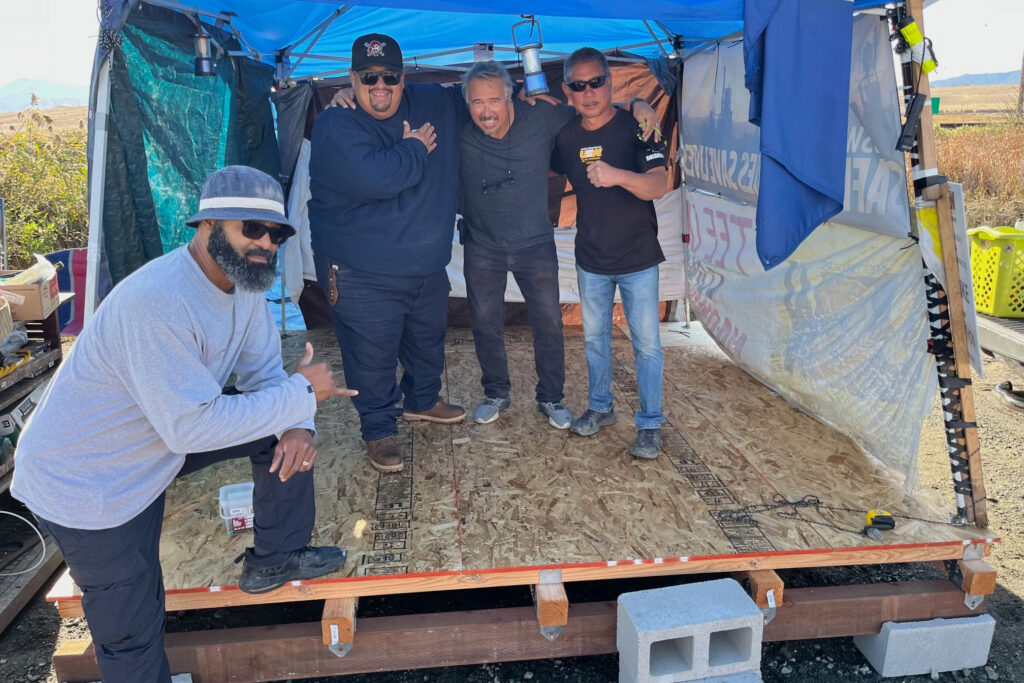
In April, refinery operators at a renewable fuels facility near San Francisco staged a strike over safety concerns. They were alarmed that replacement workers might not have the training needed to handle explosive processing units. This unease intensified as frequent and intense flaring—large flames from stacks burning flammable gases—occurred, indicating issues inside the plant.
California inspectors validated these concerns. The state’s Division of Occupational Safety and Health, Cal/OSHA, issued several citations to Marathon, highlighting a critical failure: not training employees before they began new assignments. Marathon faced scrutiny from Inside Climate News reports.
Marathon USW Local 5 members consistently voiced safety concerns during contract negotiations. Despite the union proposing solutions for fatigue from chronic overtime due to understaffing, the company rejected these proposals, leading to a lockout in June after a return-to-work offer was declined.
Once on strike, operators realized their replacements lacked training, according to Nick Plurkowski, United Steelworkers Local 5 president. He reported these concerns to Cal/OSHA the following day. The inadequacy in operator training and oversight was linked to a severe accident that almost claimed Jerome Serrano’s life three years ago.
The U.S. Chemical Safety and Hazard Investigation Board found that Marathon Martinez’s failure to identify furnace problems and properly label equipment caused the explosion that engulfed Serrano. Their final report cited inadequate operating procedures and training as contributing factors.
Workers walked out a year later, citing Marathon’s refusal to address safety issues and denying terms negotiated with national units covering over 30,000 industry workers. Cal/OSHA’s inspections corroborated several issues highlighted by the Chemical Safety Board, including lack of training for numerous employees.
Martinez Renewables has appealed the citations to the state Occupational Safety and Health Appeals Board, said Jamal Kheiry, Marathon Petroleum Corp. spokesperson. Kheiry stated the facility is staffed by qualified Marathon personnel and expressed a willingness to work with state officials to resolve alleged violations.
Cal/OSHA documented 10 violations, including inadequate training, lack of insulation on high-temperature equipment, and faulty emergency equipment. Other issues identified included missing labels on fuel containers, inaccessible fire extinguishers, and inadequate heat-illness prevention plans, crucial for workers in high-heat environments.
Plurkowski expressed concern over the unsafe conditions workers faced, particularly the lack of training. Cal/OSHA “yellow tagged” the unit involved in Jerome Serrano’s accident, preventing its operation until proper training was verified. Violating a yellow tag can incur fines or jail time.
Plurkowski questioned Cal/OSHA about tagging units for lack of training, noting the excessive flaring as a sign of operational issues. He warned that large flares from multiple stacks pose significant risks to the surrounding communities.
Local 5’s union chair, Criff Reyes, urged the Contra Costa County Board of Supervisors for assistance, noting that the Cal/OSHA citations indicate Marathon is allowing unqualified workers to operate while trained operators remain sidelined. Reyes reported “massive flaring” as evidence of ongoing issues.
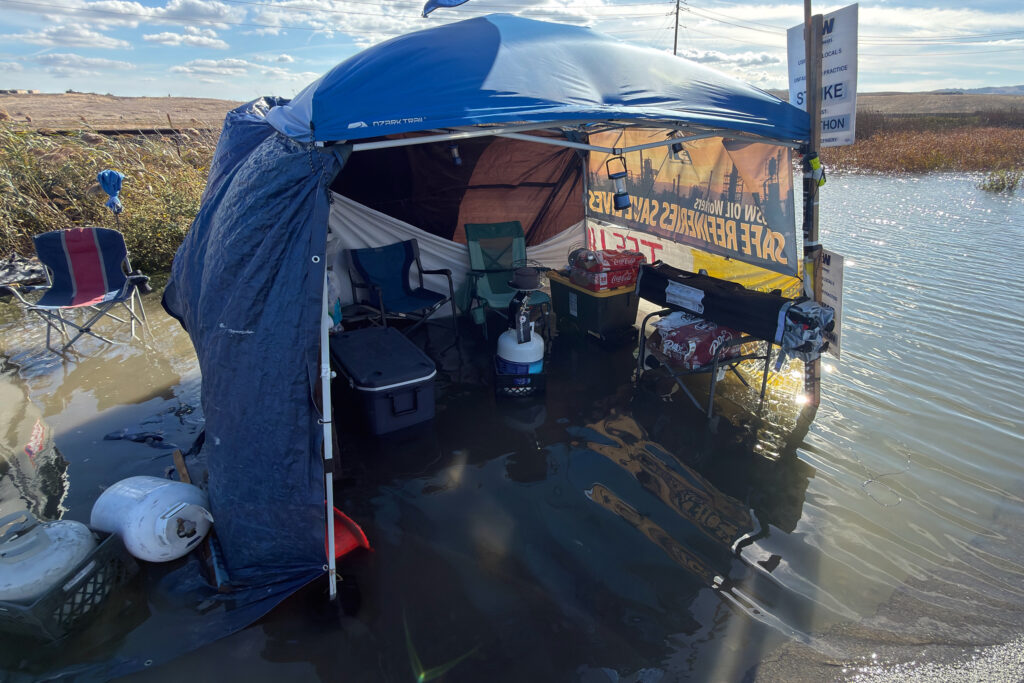
Marathon’s Kheiry confirmed negotiations with the union will resume on Dec. 1, with a federal mediator’s support. Plurkowski expressed skepticism, citing the prolonged dispute and the company’s reluctance to negotiate in good faith.
The incident that injured Serrano occurred after the plant’s shift to renewable fuels. Plurkowski stressed the importance of preventing a repeat of past accidents, emphasizing the need for a safe return for workers post-dispute.
Original Story at insideclimatenews.org