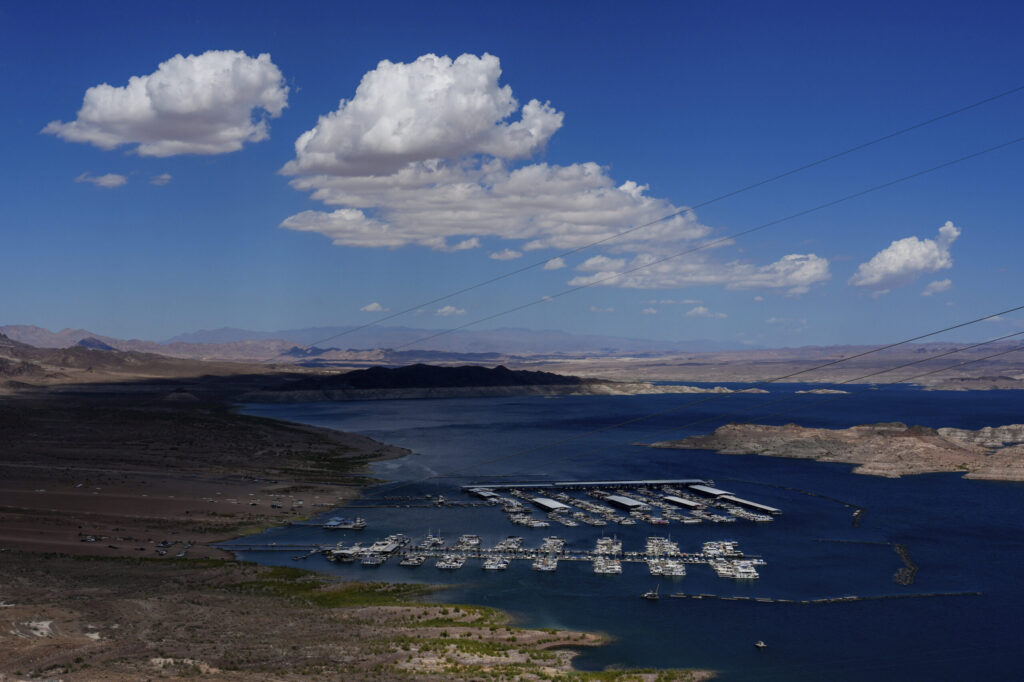
Water is life in the American Southwest — and for millions of residents across Arizona, Nevada, and beyond, the future of that water is now being decided in federal court. The ongoing battle over Colorado River allocations has taken a significant legal turn, with Arizona formally joining Nevada’s existing lawsuit to challenge federally mandated cuts to the river’s water supply.
The Colorado River is the lifeblood of the western United States, providing drinking water and irrigation to roughly 40 million people across seven states — Colorado, Utah, Wyoming, New Mexico, Arizona, Nevada, and California — as well as parts of Mexico. Years of severe drought, rising temperatures, and steadily increasing demand have caused water levels in the river’s two major reservoirs, Lake Mead and Lake Powell, to fall to historically low levels, prompting federal intervention.
What the Lawsuit Is About
Nevada filed suit against the federal government after the Bureau of Reclamation — the agency responsible for managing water in the western U.S. — announced mandatory reductions in how much water Lower Basin states could draw from the Colorado River. The cuts were designed to stabilize reservoir levels and prevent a potential water supply collapse across the region. Nevada argued the federally imposed reductions were unlawful and went beyond what the agency had the authority to require under existing water law and longstanding interstate agreements.
Arizona has now stepped in alongside Nevada, formally joining the lawsuit and escalating the legal challenge to the federal government’s management approach. State officials described the move as necessary to protect Arizona’s legal water rights and ensure that any reductions are implemented fairly and within the boundaries of established law.
Why the Cuts Hit Arizona and Nevada Hard
As Lower Basin states, Arizona and Nevada are among the most directly affected by the Bureau of Reclamation’s mandated reductions. Arizona, in particular, holds what are known as “junior” water rights under the Colorado River Compact — meaning it is among the first to face cutbacks when the river’s flow falls short. The state’s agricultural sector, which depends heavily on Colorado River water for irrigation, has already experienced significant strain. Cities and towns across the state also rely on the river as a primary or supplementary drinking water source.
Nevada, despite being one of the smaller water users on the river by volume, faces outsized pressure because the Las Vegas metropolitan area depends on Lake Mead for the vast majority of its water supply. Any sustained reduction in the lake’s levels has immediate and tangible consequences for the region’s more than two million residents.
The Broader Stakes for the Southwest
Arizona’s decision to join the lawsuit signals that western states are increasingly willing to challenge federal water management decisions through the courts rather than accept top-down mandates. The legal dispute reflects a deeper tension between the urgent environmental reality of a shrinking river and the legally protected water rights that states, cities, farmers, and tribal nations have relied upon for generations.
The outcome of the lawsuit could have lasting implications not just for Arizona and Nevada, but for every state and community that draws from the Colorado River. If the courts side with the states, it could limit the federal government’s authority to impose future conservation cuts unilaterally. If the federal government prevails, it may open the door to more aggressive management measures as climate conditions continue to stress the river system.
For now, the legal battle adds another layer of complexity to what is already one of the most consequential water disputes in American history — one that will shape life in the Southwest for decades to come.