Exploring New Horizons in Worker Protection: State-Level Initiatives and Their Implications
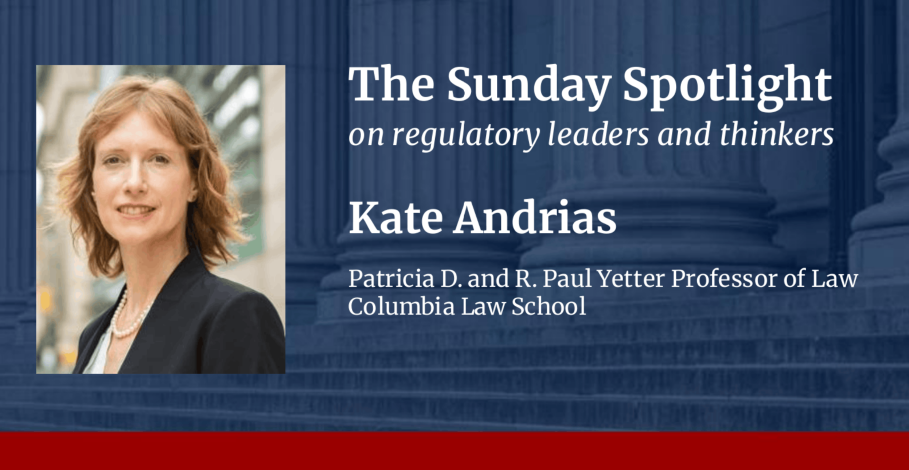
While federal labor reforms have hit roadblocks, state-level initiatives are breaking new ground in enhancing worker protections. Kate Andrias from Columbia Law School delves into how states are stepping up with innovative approaches to labor laws, providing a blueprint for potential national reforms.
The Role of Worker Standards Boards
Worker standards boards, otherwise known as sectoral committees, are gaining traction at the state level. These boards involve a collaboration between workers, employers, and public representatives to set minimum standards across various industries. These standards can cover aspects such as wages, benefits, and safety, offering a platform for both workers and employers to have a say in industry governance. This participatory approach helps raise labor standards and provides a focal point for collective worker action, particularly in industries where traditional organizing is challenging.
State Versus Federal Labor Reforms
Despite the progressive strides made by states, federal labor reforms remain sluggish due to political hurdles and organized opposition from businesses. State constitutions are more amenable to amendments, allowing for direct democracy mechanisms like ballot initiatives. However, state-level reforms face their own challenges, with business interests often mobilizing against them. Nevertheless, the federalist structure of the U.S. provides multiple arenas for labor advancements, enabling worker organizations to leverage the political power they possess at state and local levels.
The Significance of State Constitutional Amendments
By embedding worker protections within state constitutions, states signal their commitment to labor rights as fundamental. Such constitutional provisions, like the Illinois Workers’ Rights Amendment, safeguard against legislative repeal and provide courts with a basis to uphold workers’ rights. These amendments hold practical implications, particularly in areas where federal law does not preempt state regulation, such as setting minimum employment standards for certain worker categories.
Legal Challenges and Federal Preemption
The National Labor Relations Act (NLRA) limits state regulation of collective bargaining, but state worker standards boards often operate outside this preemption by focusing on employment conditions. However, these boards must navigate legal vulnerabilities, ensuring compliance with due process and avoiding antitrust preemption, particularly for independent contractors.
Constitutional Challenges and Corporate Pushback
Today’s legal challenges to the National Labor Relations Board (NLRB) echo the constitutional disputes of the 1930s. Corporations are questioning the legitimacy of key labor-law structures, which could destabilize federal administrative adjudication. This battle reflects a broader struggle over economic power distribution and the role of democratic processes in limiting concentrated private power.
Strategies to Overcome the “Chicken-and-Egg” Dilemma
Andrias and Benjamin Sachs highlight a dilemma where worker movements need legal reforms to gain political power, yet such reforms require existing power. They suggest mass mobilization, leveraging state and local victories, and strategic focus shifts within federal branches as potential solutions. These approaches can dynamically build the momentum necessary for broader reforms.
Rethinking the Abundance Debate
The abundance debate often portrays labor standards as obstacles to development. However, Andrias and Alexander Hertel-Fernandez propose a regulatory agenda that balances rapid development with strong labor and environmental standards. By ensuring that construction projects benefit workers and communities through mechanisms like tripartite boards and community benefits agreements, this approach aims to achieve both economic growth and empowerment for union workers.
Original Story at www.theregreview.org