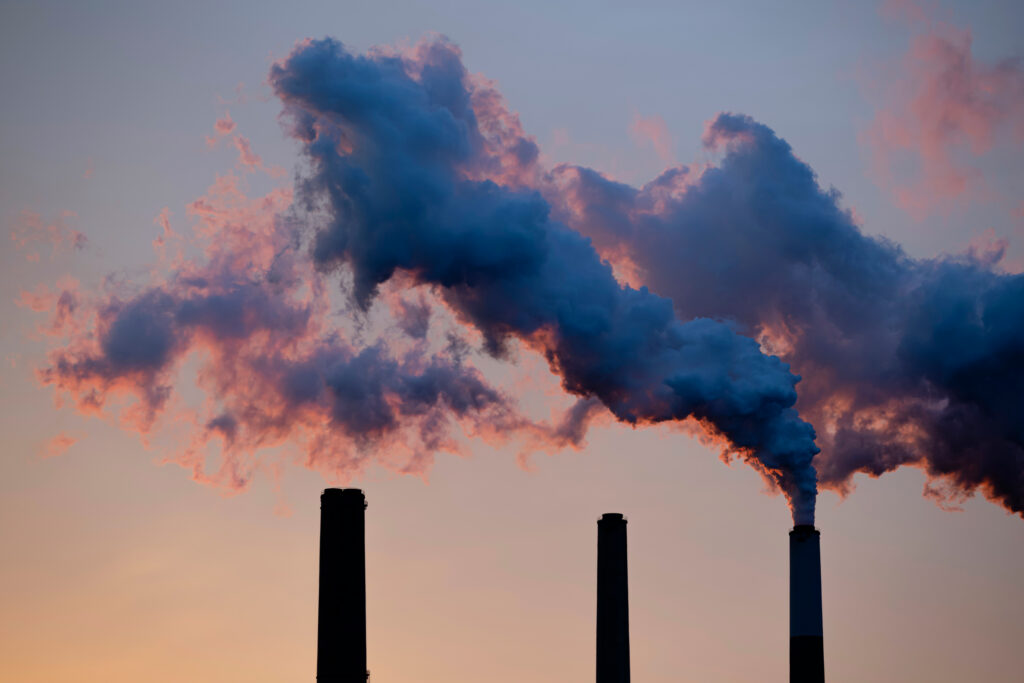
Over 20 states, including North Carolina, New York, California, and Pennsylvania, alongside numerous cities, have filed a lawsuit against the U.S. Environmental Protection Agency (EPA) for repealing most greenhouse gas emissions standards for coal and natural gas power plants. This move could hinder future administrations from reinstating these regulations.
Democratic state attorneys general submitted the lawsuit to the U.S. Court of Appeals for the District of Columbia on October 1, requesting a review of the proposed rescission.
New York Attorney General Letitia James stated in a press release that the administration’s actions could lead to increased greenhouse gas emissions, exacerbating extreme weather events. The coalition also includes Washington, D.C., Chicago, Denver, and New York City.
The EPA declined to comment on the ongoing litigation. Jeffrey Robbins, executive director of CleanAIRE North Carolina, praised Attorney General Jeff Jackson’s participation, emphasizing the state’s commitment to combating federal rollbacks that could increase living costs and harm public health.
Duke Energy operates several coal and natural gas power plants in North Carolina. The EPA argues it lacks authority under the Clean Air Act to regulate greenhouse gas emissions from these power plants.
John Broderick, assistant attorney general in the New York Environmental Protection Bureau, countered this claim during an EPA public hearing, asserting that the agency has a “statutory duty to regulate greenhouse gases,” labeling the EPA’s move as unlawful.
Greenhouse gases drive climate change, contributing to severe weather like heatwaves and storms. The Super El Niño is intensifying such conditions, indicating the pressing impact of global warming.
The National Oceanic and Atmospheric Administration reported that August 2026 was the hottest August since 1850. Western Europe faced multiple heatwaves, with temperatures surpassing 104 degrees Fahrenheit.
Amy Laura Cahn, a special assistant attorney general for Massachusetts, criticized the proposal for misinterpreting law and science during the public hearing. Massachusetts played a pivotal role in establishing greenhouse gas regulations following a 2007 U.S. Supreme Court ruling affirming the EPA’s authority to regulate emissions.
The EPA claims the scientific and legal bases for these rules are flawed, but major scientific organizations disagree. The repeal is estimated to save the power sector $95 billion to $160 billion over 20 years, excluding environmental costs.
The Biden administration estimated such rules could save $370 billion in climate and public health costs by 2047. Robbins from CleanAIRE NC remarked that removing these standards shifts financial burdens onto individuals and does not truly save money.
This marks the second time the EPA has rescinded greenhouse gas emission rules, having previously revoked the endangerment finding for vehicle pollutants. Robbins emphasized the need for state leadership amid federal rollbacks to protect air quality.
Original Story at insideclimatenews.org