America’s Clean Energy Shift: Challenges and Opportunities
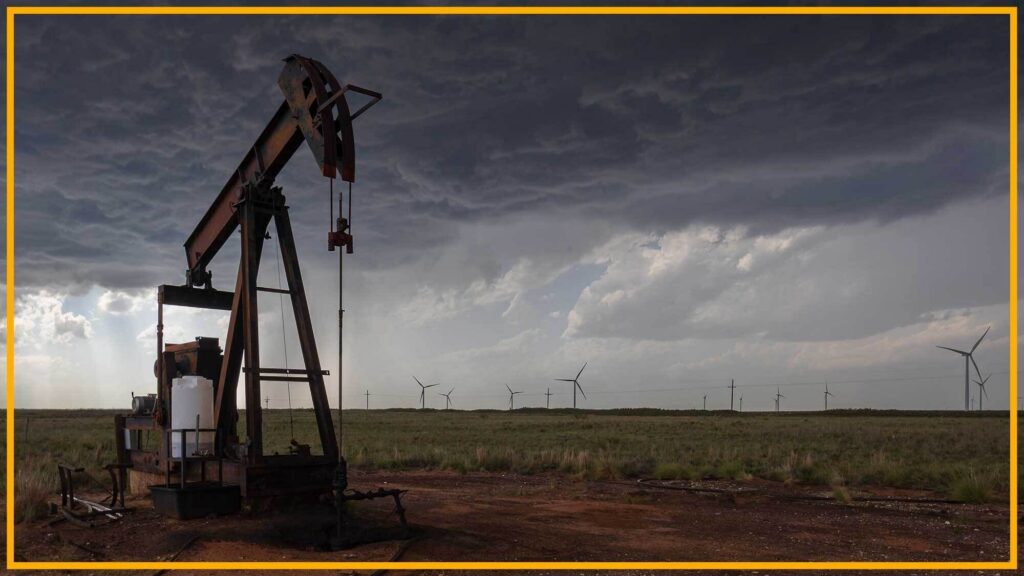
Despite efforts by former President Donald Trump to bolster fossil fuels, America’s transition to a clean energy future appears unstoppable. The real question is not if, but how quickly, this transformation will occur as cost declines continue to drive clean energy adoption forward.
Since 2015, the majority of new power capacity in the U.S. has been derived from renewable sources. In 2023, an anticipated 93% of new electricity capacity is expected to come from solar, wind, and batteries, a testament to the economic viability of clean energy solutions. This shift is propelled not by presidential policies, but by market forces recognizing clean energy as the most cost-effective way to expand the power grid.
Currently, 57% of America’s electricity is sourced from fossil fuels, leaving 43% from clean alternatives. The legacy infrastructure of coal and gas still dominates, but their economic competitiveness is rapidly declining. Nearly all American coal plants are now more expensive to operate than replacing them with renewable energy solutions. In a recent case, a federal court rejected the Trump administration’s mandate to keep a Michigan coal plant operational, highlighting the economic burden such decisions impose on consumers.
Despite Trump’s initiatives to revive the coal industry, it continues to decline, with production down 43% since 2010. In contrast, renewable energy technologies like solar and wind, supported by battery storage, are proving to be more cost-competitive than natural gas plants. The solar industry has tripled its construction rate in just six years, demonstrating the speed and efficiency of clean energy deployment.
However, challenges remain. With rising electricity demand from technology sectors such as AI and data centers, some argue that gas plants are necessary to meet future energy needs. Yet, many proposed gas projects are still in the early stages, while solar and battery infrastructures can be deployed rapidly, often in under two years.
Political factors, including expiring tax credits and tariffs on solar panels, pose additional obstacles. However, these challenges are expected to be temporary, as market forces and political momentum towards affordable electricity drive the clean energy transition forward.
At the state and local levels, several strategies can accelerate the transition. For instance, the adoption of “balcony solar” systems, which allow homeowners to plug solar panels directly into their outlets, is gaining traction, as seen in Germany and now legalized in Utah and California. Such grassroots initiatives enable individuals to generate their own clean energy without bureaucratic hurdles.
Moreover, the use of electric appliances that consume power during peak solar hours can further reduce reliance on fossil fuels. Technologies like electric water heaters and heat pumps can store solar energy for later use, while electric vehicles charged during the day can run on solar power.
Ultimately, the path to a clean energy grid requires a collective effort from individuals, businesses, and governments. By embracing clean energy technologies and removing regulatory barriers, America can move towards a sustainable and affordable energy future.
Original Story at www.livescience.com