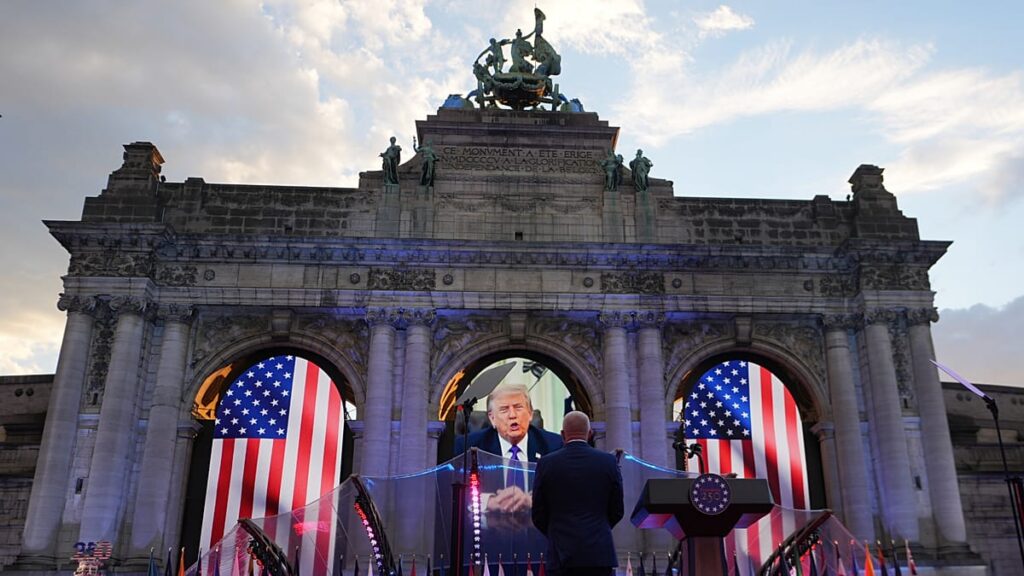
The upcoming G20 energy meeting in Houston, Texas, is set to reveal deepening divisions on energy security between major global players. As European Union Energy Commissioner Dan Jørgensen joins the event, unexpected attendance from Russian and Venezuelan officials highlights the complex geopolitical challenges at play. The summit underscores differing philosophies on energy strategies between Washington and Brussels, raising questions about the future of global energy policy.
Hosted by the US from September 14–16, the G20 energy ministerial meeting is themed “energy abundance,” which emphasizes increasing oil and gas production, boosting electricity supply, and relaxing environmental regulations to foster energy investment. This American approach starkly contrasts with the EU’s commitment to climate policy and transitioning to clean energy sources.
As the EU, US, and Russia are all G20 members, Jørgensen faces the challenge of engaging with Russian officials amidst ongoing tensions due to Russia’s actions in Ukraine. Additionally, Venezuela’s participation adds another layer of complexity, given its status as a significant oil producer. “For sure it’s a very uncomfortable situation, but he (Commissioner Jørgensen) will pass the EU’s message,” a Commission official, speaking anonymously, told Euronews. The official noted that “Russia is part of the G20 and the ongoing Presidency was responsible” for the meeting’s attendees.
During the summit, Washington is expected to advocate for its energy agenda, including plans to ease US carbon-emissions limits on coal and gas power plants. Meanwhile, Jørgensen will promote the EU’s climate-focused stance, emphasizing reducing Europe’s reliance on imported fossil fuels through electrification, renewable energy expansion, grid upgrades, and energy efficiency improvements. The EU sees energy independence as a strategic imperative, unlike Washington’s focus on abundant production as a means of ensuring energy security.
Despite Brussels’ efforts to communicate its message, US Interior Secretary Doug Burgum, present at the G20, previously criticized earlier energy meetings for their “climate extremism” focus. Burgum remarked, “If you want to talk about affordability, this is actually a conference where we’re talking about increasing supply and increasing security.”
A Russian in the room
The political stakes are high with the presence of a Russian official at the G20 table alongside Jørgensen. The White House recently announced Russia’s participation, though it has not disclosed the specific official, speculated to be Energy Minister Sergey Tsivilyov. The EU’s awareness of this development remains uncertain, as the European Commission has yet to comment on requests from Euronews.
Russia’s involvement is striking due to its ongoing conflict with Ukraine and the EU’s efforts to reduce dependency on Russian energy. Meanwhile, Venezuela’s inclusion aligns with Washington’s attempts to strengthen energy ties with Caracas and boost Venezuelan oil production post-Maduro.
The guest list could transform the energy ministerial meeting into a broader geopolitical discussion, positioning the EU awkwardly between the US’s pro-fossil fuel stance and its own clean energy ambitions. The official G20 page states, “The G20 is an opportunity for leading economies to align on pragmatic principles like these (deregulation, permitting reform) which will unlock energy abundance and strengthen global resilience.”
With the US presidency potentially rallying support for increased production, Brussels might appear isolated in its call for a rapid energy transition. EU lawmaker Virgil-Daniel Popescu has advised Jørgensen against clashing with Washington over the meeting’s branding as the “Energy Abundance Working Group.” Popescu suggested, “The useful line is a shared one: more energy, more security, more production at home. Nuclear and renewables belong together. Gas that replaces a risky import is a security project, not a fight against the transition.”
Decarbonisation vs abundant energy
In Houston, Jørgensen must defend the EU’s vision of energy security amidst concerns over high and unstable energy prices. European gas prices, which surged from €31/MWh pre-conflict to over €83/MWh on September 14, have been flagged by the European Central Bank as an inflationary risk. Brent crude oil prices have also exceeded $100 per barrel, driven by Middle East tensions, potentially prompting further increases at the pump.
Brussels anticipates that Washington will highlight its vast energy resources, arguing for expanded oil and gas production as a shield against geopolitical disruptions. However, the EU’s strategy of decarbonisation and electrification is not an immediate remedy for skyrocketing energy costs, exposing vulnerabilities and lending credibility to the concept of energy abundance.
EU lawmaker Roman Haider criticized the EU’s energy policy as a “failure,” attributing it to an “ongoing industrial exodus.” Haider contended, “The American approach of making energy as cheap and reliably available as possible is the order of the day. Exactly that should be the central task of the Commissioner, not moral grandstanding about who sits next to whom, where and when. That has its place in kindergarten,” he told Euronews.
Original Story at www.euronews.com