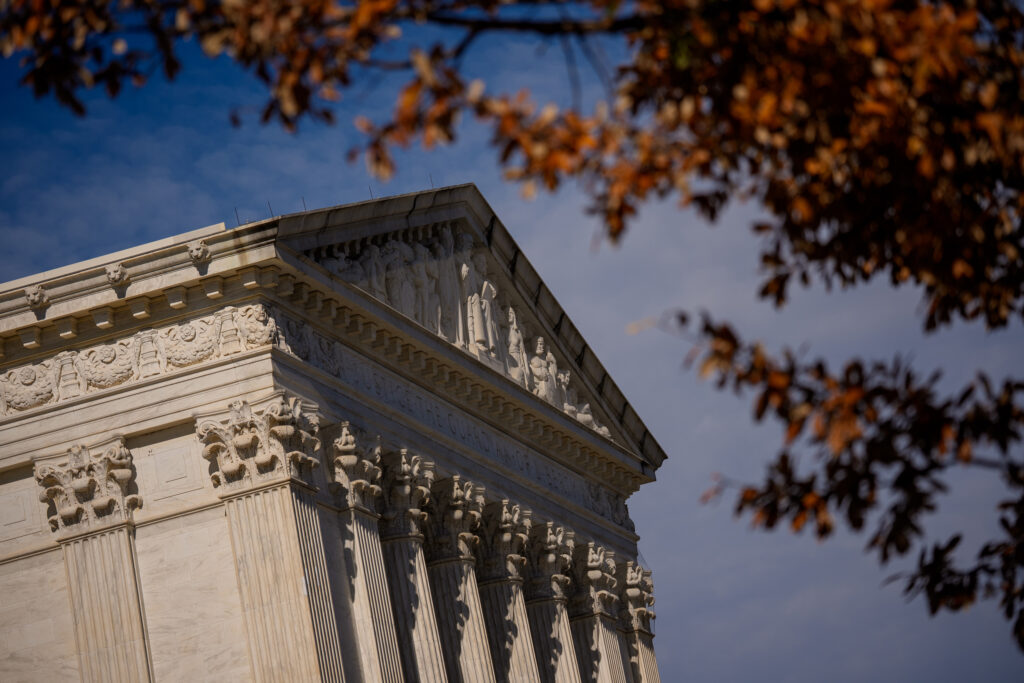
Local and state governments in the United States have filed lawsuits against major fossil fuel companies, drawing parallels to 1990s tobacco litigation. These cases aim to hold companies accountable for climate change damages and alleged deception.
Although still in preliminary stages, these cases face uncertainty as the U.S. Supreme Court has agreed to hear one, at the request of oil companies. Legal experts say this could impact many climate accountability lawsuits.
The court will hear oral arguments on Oct. 5 in Suncor Energy v. County Commissioners of Boulder County. This petition by Suncor and ExxonMobil seeks to dismiss a climate change suit filed by Boulder, Colorado. The case, focusing on federalism and state authority, presents significant constitutional questions.
“It could be incredibly consequential,” said Pat Parenteau, a climate law expert at Vermont Law and Graduate School. The decision might extend beyond climate issues.
Nearly 70 amicus briefs have been filed by entities including members of Congress, the Trump administration, and Native American tribes, highlighting potential impacts on energy, security, and sovereignty.
Boulder sued ExxonMobil and Suncor in 2018 for damages related to climate impacts like wildfires. The suit claims these are due to a long-term campaign of deception over climate risks.
In 2025, Colorado’s Supreme Court allowed Boulder’s suit to proceed, a decision now challenged in the U.S. Supreme Court. Companies hope for a broad ruling to end not just Boulder’s case but all similar climate lawsuits.
A Question of Preemption
The central question is whether federal law overrides state law claims for climate-related injuries. A ruling favoring oil companies could disrupt state climate laws and lawsuits. “If the oil companies win, that’s the end of the cases,” Parenteau said.
The justices have also questioned their jurisdiction, suggesting the case might be premature. Michael Gerrard from Columbia Law School noted, “It’s possible they will rule that the case is just too early to decide, since there hasn’t been a trial yet.”
The core issue is whether state law can hold fossil fuel companies accountable for climate-related damages. Exxon and Suncor argue climate change is a global problem requiring federal, not state, law. They claim federal law preempts Boulder’s state claims.
Oil companies warn of chaos if juries impose large liabilities on the industry. Their brief argues state tort law isn’t suited for global climate change issues.
Boulder says its lawsuit targets alleged corporate deception and local impacts, not global climate change regulation. Their brief asserts the Supreme Court lacks jurisdiction, and their claims are within state authority.
Dozens of Backers on Both Sides
Supporters of oil companies, including think tanks and industry groups, argue federal law limits state claims and warn of economic disruption. The American Petroleum Institute cites potential multi-billion-dollar judgments. A brief from Alabama and other states warns of impacts on energy and sovereignty.
Conversely, Boulder’s supporters, including Democrat-led states and environmental economists, refute claims of ruinous industry liability. They argue these warnings are exaggerated. The brief by climate economists dismisses the notion of significant economic disruption.
An “Industry-Driven Project to Evade Accountability”
Supporters of Boulder argue that the oil companies seek legal immunity from climate liability. An amicus brief by congressional Democrats challenges the claim that federal law preempts state climate actions.
Legislation, such as the Stop Climate Shakedowns Act, aims to preempt state law actions and shield fossil fuel companies, highlighting ongoing legislative debates.
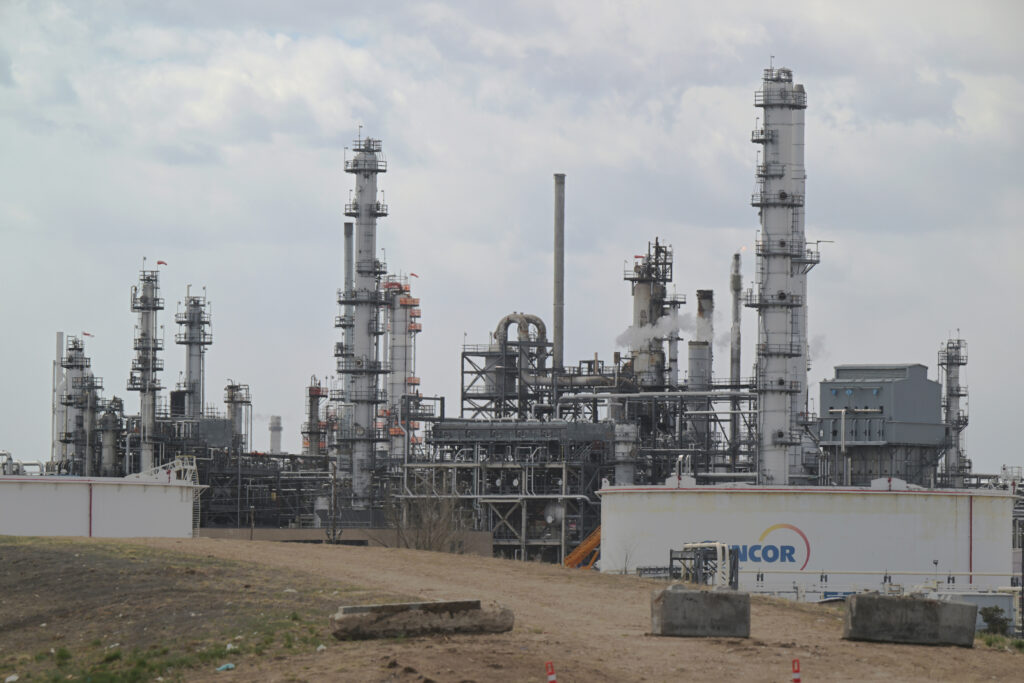
Nearly two-thirds of groups supporting Exxon and Suncor are linked to fossil fuel interests, according to Consumer Watchdog. Kathy Mulvey from the Union of Concerned Scientists calls these efforts a last-ditch attempt to avoid accountability for the industry’s alleged climate deception.
Sweeping Decision or a Narrower Judgment?
Alejandro Camacho from UCLA suggests the court might reject broad preemption arguments. However, the decision to hear the case raises concerns. The court could impact state law claims like consumer fraud related to climate change.
A broad ruling could undermine state climate lawsuits, including youth constitutional cases against governments. Our Children’s Trust warns of potential impacts on children’s state-law rights.
Nate Bellinger from Our Children’s Trust hopes for a focused decision, not affecting all climate cases. However, Parenteau warns a broad ruling might strip state authority to protect residents from climate impacts.
Who bears the cost of climate change is a central question, with Exxon and Suncor arguing against potential billion-dollar damages. Robert Glicksman from George Washington University notes that without accountability, local taxpayers may bear adaptation costs.
Original Story at insideclimatenews.org