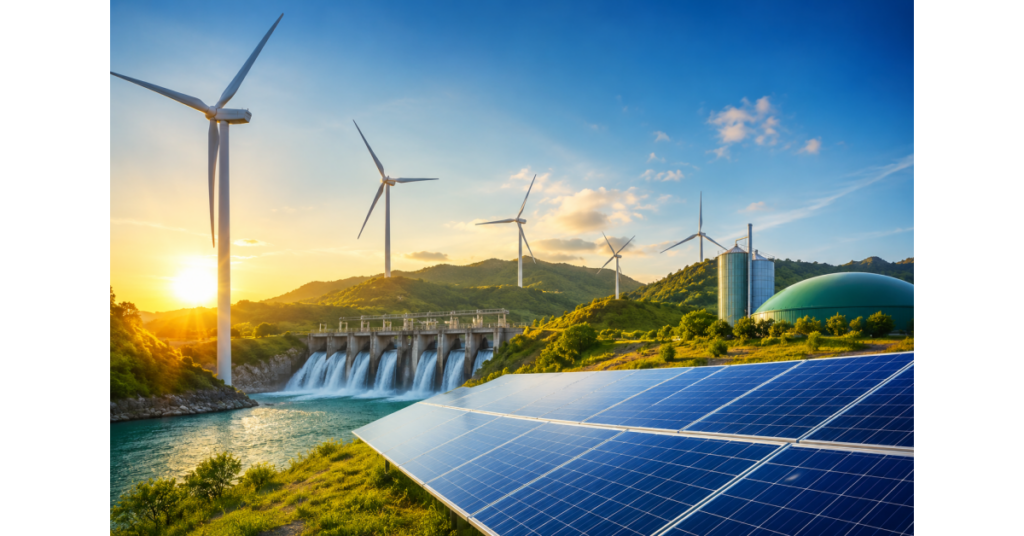
Renewable Energy: Paving the Way for a Sustainable Future
In a world where energy is a daily necessity, the shift to renewable sources has become crucial as fossil fuel reserves diminish and climate change concerns escalate. The International Energy Agency (IEA) reports that over 30% of global electricity now comes from renewable sources. Imagine cities powered solely by sunlight, water, and wind, reducing environmental harm and securing energy independence.
Understanding Renewable Energy Sources
Renewable energy harnesses natural processes that replenish continuously, unlike finite fossil fuels like coal and oil. These systems generate electricity with minimal carbon emissions, capturing energy from sunlight, river flows, wind, and geothermal heat to power homes and industries sustainably.
Types of Renewable Resources
Key renewable resources include:
- Solar Energy: Utilizes sunlight for utility-scale generation and rooftop systems.
- Wind Energy: Harnesses atmospheric airflow for onshore and offshore wind farms.
- Hydroelectric Energy: Uses moving water in reservoir dams and pumped storage projects.
- Biomass Energy: Derived from organic materials for biofuels and thermal combustion.
- Geothermal Energy: Taps into the Earth’s heat for direct heating and steam generation.
Solar Energy Conversion
Solar energy converts sunlight into electricity using photovoltaic (PV) cells, which generate an electric field when light hits their semiconductor layers. Advanced solar modules use high-efficiency TOPCon N-type cells, achieving 25% to 26% efficiency. Companies like Avaada Group produce high-wattage modules to maximize output, contributing to India’s solar capacity of over 132 GW as of June 2026.
Wind Energy Mechanics
Wind energy transforms kinetic energy from airflows into electricity through turbine blades connected to generators. There are two main types:
- Onshore Wind: Turbines on land capture consistent air currents.
- Offshore Wind: Ocean-based turbines harness stronger marine winds, increasing energy yield.
With a total wind capacity exceeding 53 GW, India combines wind sites with storage solutions to balance supply due to fluctuating wind speeds.
Hydroelectric Power and Storage
Hydroelectric systems generate electricity by channeling water through turbines. Pumped Storage Projects (PSP) function as large “water batteries,” storing energy by moving water uphill during low demand and releasing it to generate power during peak demand.
Biomass and Geothermal Energy Operations
Biomass and geothermal energy provide consistent, weather-independent power:
- Biomass Energy: Uses organic materials for heat, power, or biofuels through combustion or digestion.
- Geothermal Energy: Exploits underground heat to drive turbines for continuous power supply.
Addressing Clean Energy Intermittency
Energy storage solutions mitigate the intermittent nature of clean energy by saving excess electricity for later use. Key options include:
- Battery Energy Storage Systems (BESS): Store surplus solar or wind energy for later distribution.
- Hybrid Renewable Energy Systems: Combine various renewable sources and storage to ensure constant electricity flow.
Benefits of Clean Power Transition
Switching to clean energy offers numerous advantages:
- Environmental Decarbonization: Reduces greenhouse gas emissions, combating global warming.
- Economic Savings: Lowers fuel import costs and creates green jobs in production and installation.
- Resource Sustainability: Preserves finite resources by utilizing renewable flows.
Vineet Mittal
Avaada Group
+91 1800 571 3094
avaada@avaada.com
Legal Disclaimer:
EIN Presswire provides this news content “as is” without warranty of any kind. We do not accept any responsibility or liability
for the accuracy, content, images, videos, licenses, completeness, legality, or reliability of the information contained in this
article. If you have any complaints or copyright issues related to this article, kindly contact the author above.
Original Story at www.einpresswire.com