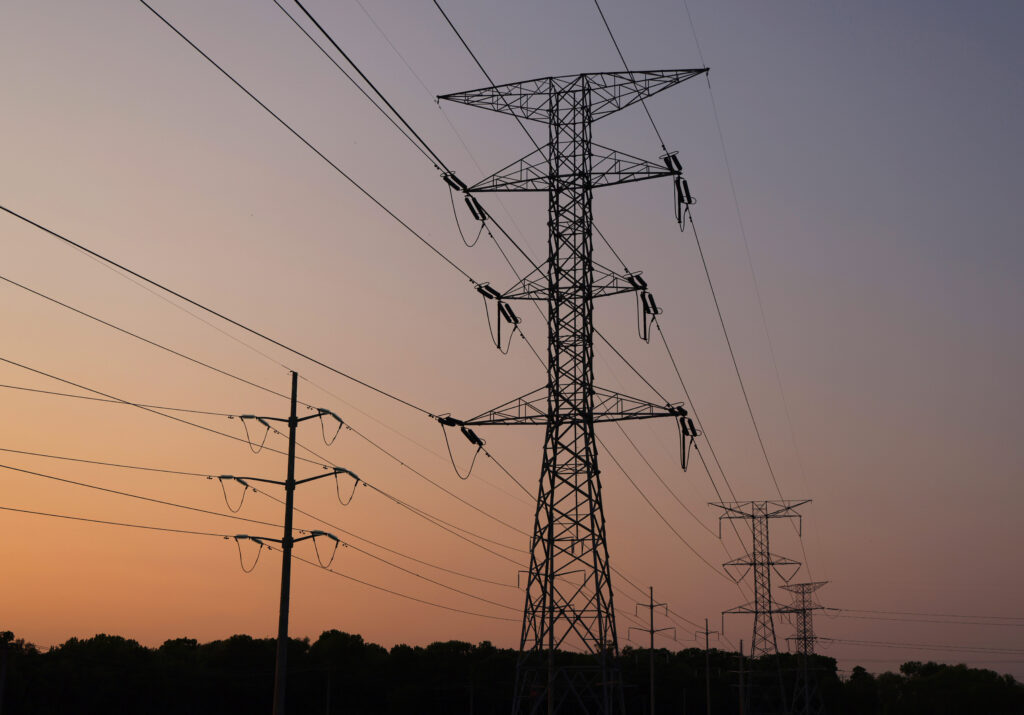
Rising energy prices are becoming a pressing concern nationwide, driven by increasing demand and insufficient supply. This issue is particularly severe in the PJM region, which includes the Chicago area, due to PJM, the largest regional grid operator in the U.S., not adequately planning for the influx of data centers and other substantial energy consumers.
In response to the escalating costs, Illinois policymakers have taken decisive action. Governor JB Pritzker and Illinois legislators have enacted the Clean and Reliable Grid Affordability (CRGA) Act. This legislation aims to swiftly add more energy supply to the grid by introducing 3 gigawatts of battery storage by 2030, aligning with the retirement of approximately 3 gigawatts of statewide coal-fired generation within the same period. This strategic move mirrors Texas’ success in meeting energy demands amidst the growth of data centers.
This month, the Illinois Power Agency plans to conduct an energy storage procurement event.
Additionally, the CRGA Act incorporates an Integrated Resource Plan, scheduled for completion in November. This plan will provide a data-driven analysis of cost-effective solutions to the state’s energy shortfall. It also allows for the extension of the Climate and Equitable Jobs Act’s retirement schedule for fossil fuel plants if necessary for reliability, as acknowledged by a recent editorial (“Alarm bells are ringing loudly in electricity markets for Illinois’ clean-energy law,” Aug. 4).
In a related development, last month saw the Illinois Commerce Commission approve the state’s inaugural virtual power plant (VPP) program, designed to boost supply and lower peak electricity costs for customers by next summer.
Illinois is positioning itself ahead of other states in the PJM region by focusing on cost-effective and rapidly deployable solutions, including renewables, energy storage, VPPs, and energy efficiency.
As PJM works through issues with its interconnection queue and market reforms, Illinois has an opportunity to further ensure that incoming data centers contribute investments and clean energy supplies. This could involve investing in advanced energy technologies for homes and expanding transmission and clean generation infrastructure.
The CRGA Act equips Illinois with the necessary tools to meet rising energy demands while balancing affordability and reliability. Extending the operational life of costly fossil fuel plants prematurely could burden Illinois customers with unnecessary expenses.
Stay the Course on Renewables
The call to amend the Climate and Equitable Jobs Act to allow gas plants to operate beyond the 2030 deadline is considered “incredibly irresponsible advice,” given the ongoing climate change crisis. Transitioning swiftly to solar, wind power, and battery storage is seen as a crucial step to mitigate severe impacts on the environment. The compelling case for renewables lies in providing cheaper electricity and a cleaner, healthier environment.
Having experienced the pollution and hazards of the oil and gas industry along the Gulf Coast of Texas, the shift to cleaner energy solutions is seen as a fortunate development. Illinois is on the right path with renewable energy, and deviating from this course would be considered a folly.
Benefits of Community Solar
Contrary to popular belief, solar energy is not just for homeowners who can afford rooftop panels. Illinois’ Torrence community solar project demonstrates broader accessibility. A decade ago, Illinois enacted policies to expand renewable energy access, aiming to ensure that ZIP codes or income levels would not determine access to local solar power benefits.
Today, the Torrence community solar program provides energy to hundreds of households just south of Chicago. Many subscribers are renters earning less than $50,000 a year, families who allocate a significant portion of their income to energy bills. One participant shared that savings on electricity are helping cover groceries and other expenses, including the cost of cooling during hot summers.
Community solar projects offer benefits beyond individual savings, such as creating local jobs, generating tax revenue, supporting workforce development, and providing affordable energy options for households.
Community solar strengthens local economies by generating electricity closer to where it is used, reducing strain on the electric grid. As battery storage expands, virtual power plants (VPPs) — networks of local solar and storage devices — can deliver electricity during peak demand, enhancing reliability and controlling costs.
Community solar presents a practical method for expanding energy options while benefiting households and local communities as states face rising electricity demand and affordability concerns.
What Rebuild Illinois Achieved
While most people associate infrastructure investment with construction sites, the true value of such investment extends beyond the visible aspects.
A recent analysis of the Rebuild Illinois state capital program reveals the broader impact. Conducted by the nonpartisan Illinois Economic Policy Institute, the study examined $30.8 billion in transportation investments from 2020 to 2025, finding that each dollar invested generated approximately $1.79 in economic activity statewide, with a nearly 200% return in the Chicago region.
The program created or preserved roughly 39,200 jobs annually, supporting jobs both directly in construction and indirectly through supply chain purchases and worker spending.
Local governments benefit from increased motor fuel tax distributions and $1.5 billion in bond funding for local infrastructure. Rebuild Illinois also generates an estimated $169 million in additional local tax revenue each year, including around $102 million in the Chicago region.
For suburban municipalities facing rising costs, the program strengthens the local tax base, enabling them to address infrastructure needs before they become more disruptive and costly.
Rebuild Illinois has facilitated the repair of over 21,000 miles of roadway, the rehabilitation or replacement of more than 800 bridges, and nearly 1,200 safety improvements.
However, significant needs remain. Rebuild Illinois was a preliminary investment in addressing decades of deferred maintenance, not a final payment. Delaying infrastructure investment shifts higher costs and safety issues to the future.
The study underscores the importance of treating infrastructure as an economic asset, with returns reflected in improved transportation, job creation, strengthened local businesses, additional municipal revenue, and more competitive communities.
Original Story at www.chicagotribune.com