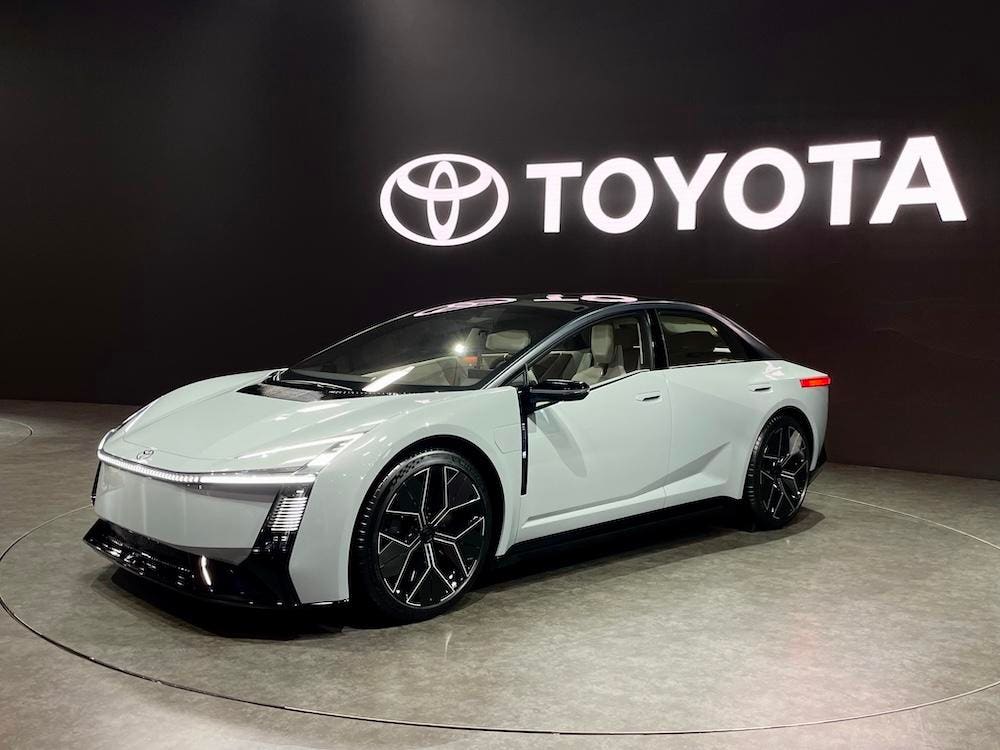
Breaking New Ground: Toyota’s Shift Towards Electric Innovation
In a move that underscores the shifting dynamics of the automotive industry, Toyota is reconsidering its long-standing cautious approach. The iconic Japanese automaker, renowned for its commitment to gradual improvement, is now embracing a more dynamic strategy as it plans the release of an all-electric version of its legendary Corolla.
Historically, Toyota has built its success on the principles of the Toyota Production System, perfecting efficiency and pioneering the hybrid market with the launch of the Prius in 1997. This steady philosophy propelled Toyota to the top of the global car manufacturing hierarchy.
The Need for Change
“There seems to be a considerable sense of crisis in the company,” Toyota Chairman Akio Toyoda remarked on NHK, as reported by Electrek. This statement highlights the urgency Toyota feels to adapt in an industry evolving faster than many anticipated.
The upcoming Corolla EV is expected to be more than just another addition to Toyota’s lineup. This vehicle represents a bold step towards reinventing a brand synonymous with reliability and affordability in response to pressures from competitors like Tesla and burgeoning Chinese brands including BYD and Geely.
Embracing Diverse Strategies
While Toyota has long advocated for a varied approach to achieving carbon neutrality, investing in hybrids, plug-in hybrids, hydrogen fuel-cell vehicles, and battery-electric cars, they recognize a need for change. The hybrid market has been a key contributor to Toyota’s recent record profits, with over 1.18 million electrified vehicles sold in North America in 2025 alone.
Despite their current success, Toyota acknowledges that the rapidly evolving market demands new strategies. Competitors like Tesla have redefined consumer expectations with innovations in software and direct-to-consumer sales, while Chinese manufacturers have accelerated vehicle development timelines.
The Symbolic Weight of the Corolla
Few vehicles hold as much historical significance as the Corolla. As the world’s best-selling nameplate, transforming the Corolla into an EV carries profound implications. It signifies Toyota’s commitment to aligning its most prestigious model with modern electric vehicle trends.
This shift also reflects evolving consumer expectations, with younger buyers prioritizing digital connectivity and advanced features alongside traditional values like reliability and efficiency.
Innovation Driven by Crisis
Akio Toyoda’s candid acknowledgment of a “sense of crisis” marks a departure from Toyota’s typically reserved corporate communication style. This recognition suggests an awareness of the fundamental shifts in the competitive landscape driven by rapid advancements from Chinese manufacturers and Tesla’s software innovations.
To maintain leadership, Toyota may need to adopt quicker decision-making processes and embrace organizational flexibility, necessitating a cultural shift as significant as any technological advancement.
Looking Ahead: The Future of the Corolla EV
The forthcoming Corolla EV is expected to retain the core qualities that have made the nameplate successful: reliability, efficiency, and durability. However, these attributes alone may not suffice in the future. Consumers will expect competitive features like driving range, fast charging, and advanced software, all while maintaining Toyota’s high standards.
Toyota’s acknowledgment of the need for transformation could prove pivotal. By recognizing the necessity for change, the company signals its intention to evolve proactively, rather than reactively. The next Corolla EV might be the clearest indicator yet of whether Toyota can successfully navigate the transition to the electric era.
Original Story at www.forbes.com