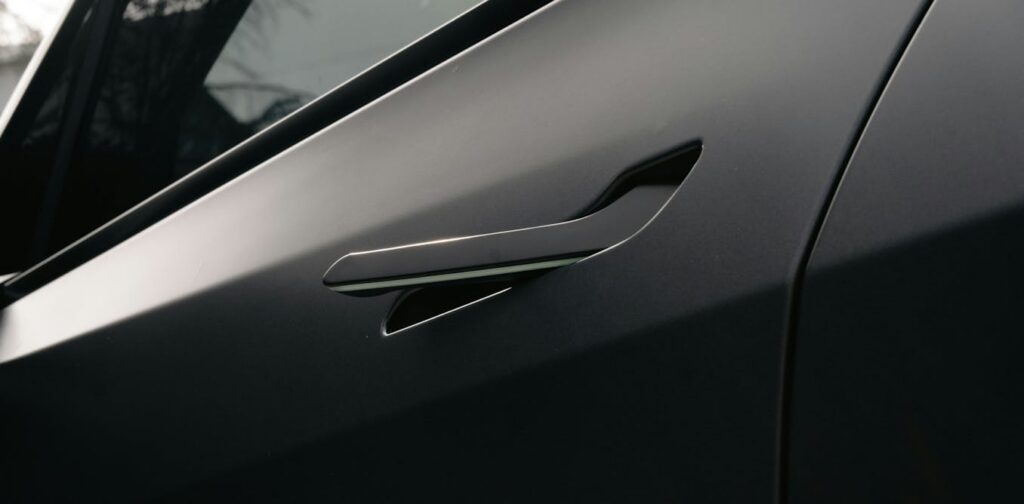
Australia may soon face a challenge as it could become a repository for electric vehicles equipped with now-banned features in China, a recent report for Australian car dealers suggests. This comes as China implements groundbreaking safety regulations starting next year.
Hidden or retractable door handles, which have gained popularity largely due to Tesla, have become a staple in modern electric vehicles. According to China Daily, approximately 60% of the top 100 bestselling new-energy vehicles in China—encompassing electric, hybrid, and fuel cell-powered cars—feature these concealed handles.
Starting January 1 next year, China will introduce a ban on hidden or retractable door handles in electric cars. This mandates that all new vehicles sold must include handles that can be accessed manually during emergencies, even if the vehicle loses power. The United States is also contemplating similar measures.
This decision by China is a response to several tragic incidents where people were trapped in vehicles due to various malfunctions, rendering the handles inoperable from the outside.
Bill Abbott/Wikimedia Commons, CC BY-SA
In tandem, China is expected to push for the reintroduction of physical controls in vehicles, as reliance on touchscreens has been deemed risky for drivers.
Global Impact of Regulatory Changes
The Australian Automotive Dealers’ Association, representing 3,900 dealers, has highlighted these issues in a recent report by Professor Jenny Buchan. The report stresses that Australia should be wary of becoming a destination for outdated vehicle technologies, following regulatory changes in China and the US.
Australia should not ignore the risk of stock dumping following China’s approach to EVs with flush door handles. The US has also recognised the problems flush door handles cause and responded by introducing a bill to the House of Representatives.
If passed, the US bill—the SAFE Exit Act of 2026—would align US regulations with China’s, requiring manual door releases in new vehicles.
China’s rules will apply to new models from January 1, 2027, with existing models having until January 1, 2029, to comply, giving manufacturers time to update their designs.
Touchscreen Regulations
Beyond door handles, China is also reviewing the safety of touchscreens in vehicles. Draft revisions to national vehicle standards propose that essential functions like indicators and hazard lights should have physical controls instead of relying solely on touchscreens. Although these revisions are not yet adopted, they indicate a shift towards prioritizing safety over digital conveniences.
Read more:
Yes, those big touchscreens in cars are dangerous and buttons are coming back
Australia’s Current Stance
The Australian New Car Assessment Program (ANCAP) has recognized the challenges presented by concealed door handles and touchscreens. Its 2026 safety assessments emphasize post-crash safety, with manufacturers rewarded for designs that maintain manual access to doors and physical controls for critical functions.
Despite ANCAP’s efforts to address these issues, the body is not a regulatory authority. ANCAP CEO Carla Hoorweg has urged the Australian government to consider implementing similar regulations to China, acknowledging that “the concern is warranted”:
We’re doing what we can, but we’re voluntary – it’s not mandatory to have an ANCAP safety rating, so we can’t stop cars coming into the country.
The Need for Regulatory Reform
As the largest market for electric vehicles, China’s safety standards are influential, potentially reshaping global vehicle design. With Chinese brands gaining traction in Australia, including BYD becoming a top seller, there’s a risk that Australia could become a haven for outdated models if local regulations don’t evolve.
History shows the dangers of lagging behind global standards, as seen with Australia’s delayed adoption of Euro 6 emissions standards. If concealed door handles pose a real safety risk, Australian legal standards should reflect this, ensuring that outdated designs do not persist in the market.
Original Story at theconversation.com