The Energy Challenge of AI: Balancing Innovation with Sustainability
The rapid advancement of artificial intelligence is driving an unprecedented surge in energy demand, prompting a renewed focus on fossil fuels. Meanwhile, advocates for renewable energy are striving to ensure that the burgeoning data centers, crucial for AI operations, are powered by eco-friendly sources.
State legislators pursuing strong climate policies are keen to prevent data centers from undermining their efforts to cut greenhouse gas emissions. In contrast, environmental advocates and companies committed to clean energy are leveraging regulatory tools to influence utilities that have traditionally controlled energy supply and grid access.
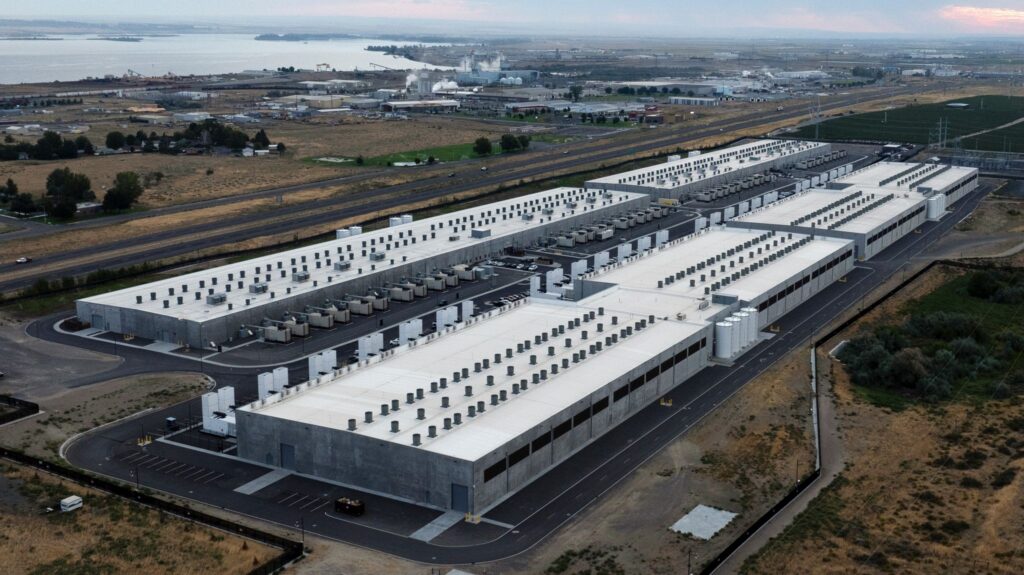
The crux of the problem for clean energy supporters is the massive and swift power demands of tech giants, with some data centers consuming more energy than mid-sized cities. This demand has spurred the largest-ever construction boom of natural gas-fired power plants, alongside efforts to keep older coal-fired plants running longer than planned.
Renewable Energy Legislation and Tech Giants
In New York, legislation pending approval by Governor Kathy Hochul aims to require large data centers to meet renewable energy targets by 2030, with a goal of sourcing 90% of energy from renewables by 2040. State Senator Kristen Gonzalez, the bill’s sponsor, asserts the targets are achievable, noting, “We are literally talking about the wealthiest companies in the world that are looking to build in New York state.”
States like Michigan, Oregon, and Minnesota have enacted laws mandating that electric utilities adhere to emissions-free energy sources by 2040. Bob Jenks, executive director of the Oregon Citizens’ Utility Board, highlights the challenge, stating, “That’s a challenging thing to meet with the data centers.”
Minnesota and Oregon have instructed regulators to ensure that data center power aligns with emissions-reduction goals. Meanwhile, Michigan mandates hyperscale data centers to achieve a 90% clean energy requirement within six years to qualify for a sales tax exemption.
Expanding Grid Access for Renewable Projects
Tech companies, including Google, are investing in zero-emission projects like solar, wind, and geothermal energy. However, these companies often face challenges with utilities unable to meet their power needs promptly. Efforts are underway to persuade regulators to expand grid access, even in states reluctant to mandate clean energy.
Greg Robinson of Aston Power likens the situation to the rise of FedEx when businesses found the U.S. Postal Service too slow, suggesting an opportunity for new services. Clean energy advocates emphasize the benefits to utilities, which gain a large, long-term customer base and grid expansion funding without charging customers.
Innovative Approaches to Energy Procurement
In Colorado, clean energy advocates successfully lobbied regulators to direct Xcel Energy to develop a program allowing major power users to create clean energy projects connected to the grid. Xcel Energy’s regulatory filing cited Google’s geothermal and solar projects in Nevada and Minnesota as beneficial examples.
The Corporate Energy Buyers Association has negotiated agreements with utilities like Georgia Power, allowing members to build and connect clean energy sources to the grid. Efforts are ongoing to establish similar agreements in North Carolina.
Nidhi Thaker, CEBA’s senior vice president of policy, told the AP, “These innovations are actually some of the most incredible and understated innovations we’re going to see in regulatory and energy procurement.”
For more updates, follow Marc Levy on Twitter.
Original Story at www.sfgate.com