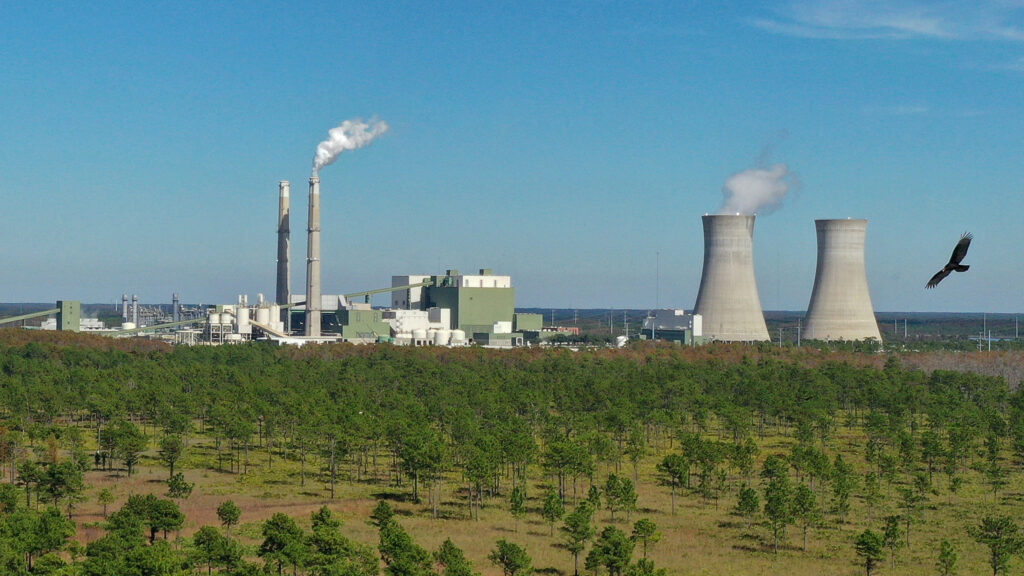
A Florida coal-fired power plant will remain operational under an emergency order from the Trump administration, delaying its planned 2025 retirement. The Orlando Utilities Commission (OUC) intended to shift to renewable energy sources like solar, aiming for net zero emissions by 2050. OUC, the state’s second-largest municipal utility, serves over 288,000 customers in Orange and Osceola counties.
OUC stated that the order prevents them from shutting down Stanton Energy Center Unit 1. They assured compliance with the order while maintaining electricity delivery safety and reliability. U.S. Energy Secretary Chris Wright’s order cited an energy emergency due to facility shortages and increased demand, linked to Florida’s growing data center industry. The order, effective from June 4 to September 1, also referred to a February cold snap and forecasts of a hot summer.
The order warns of potential power outages affecting public health and safety due to demand increases and facility shortages. Similar orders in Colorado, Indiana, Michigan, and Washington have halted coal plant closures, as noted by the Environmental Defense Fund.
Despite the Department of Energy’s concerns, the North American Electric Reliability Corporation and OUC filings suggest coal plants aren’t needed to meet demand. These emergency orders could raise electricity bills, as coal is more expensive and less reliable, according to Ted Kelly of the Environmental Defense Fund. In Michigan, keeping the J.H. Campbell coal plant open cost families and businesses over $180 million since May 2025.
Orlando’s Stanton Energy Center, with its prominent cooling towers, is a major coal plant contributor to emissions harmful to public health and climate, causing events like hurricanes and wildfires. In 2020, OUC’s net zero by 2050 pledge positioned them as leaders in climate response. Utility officials noted this commitment as a significant transformation in OUC’s history. A decision on the second coal plant is expected by year-end.
Kelly highlighted a recurring pattern where thoughtful decarbonization plans are disrupted by federal orders preventing coal plant retirements. Since the Trump administration, such orders have stopped many planned closures.
Original Story at insideclimatenews.org