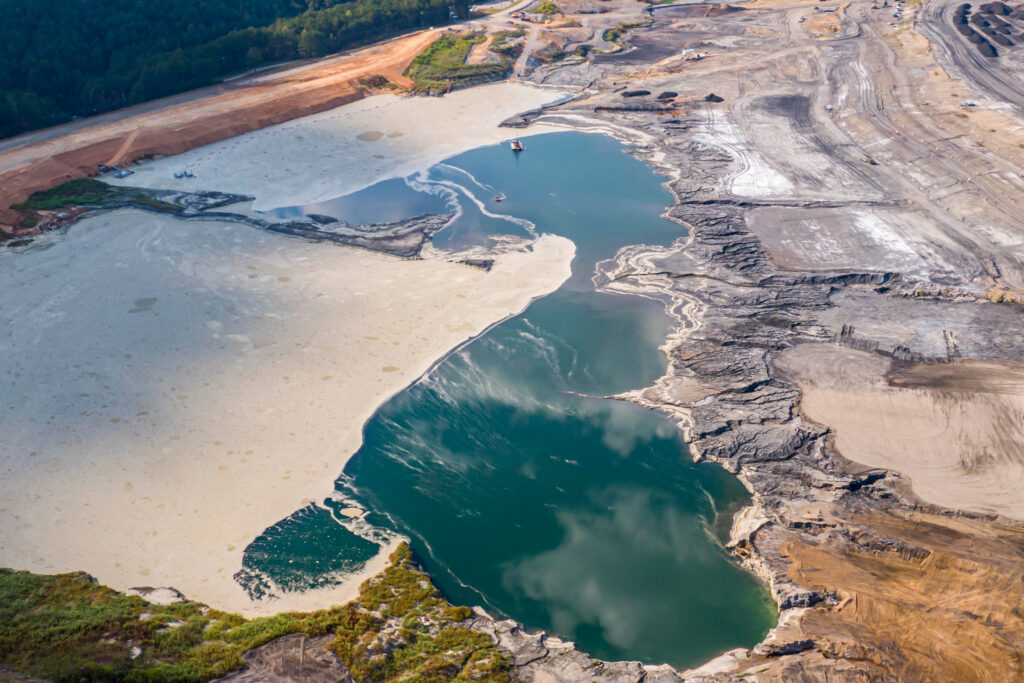
During a virtual public hearing by the U.S. Environmental Protection Agency (EPA), numerous environmental advocates expressed strong opposition to a proposed regulation that could weaken the cleanup requirements for toxic coal ash at power plants nationwide. These regulations could impact hundreds of sites across the country where coal was burned for electricity.
“The Trump administration has jeopardized the nation’s drinking water supplies as a favor to polluters,” stated Lisa Evans, senior counsel at Earthjustice and former EPA attorney. “It’s just not right.”
In April, the Trump administration announced plans to repeal a 2024 rule by the Biden administration’s EPA, which required monitoring of coal ash sites at inactive plants. This administration also proposed loosening groundwater protection regulations near these sites, suggesting reliance on states for monitoring, potentially bypassing national standards.
EPA Administrator Lee Zeldin described the proposed regulations as “commonsense changes,” reflecting a commitment to “restoring American energy dominance” and “strengthening cooperative federalism.”
The proposed rule could exempt coal ash storage sites from regulation, allowing plant owners to delay or avoid dealing with the ash.
Coal ash, or coal combustion residuals, is the mineral residue left after coal is burned for electricity. It contains toxic substances like mercury, arsenic, and lead, linked to health issues such as cancer.
Over half of this fine, gray powder is used annually in concrete, drywall, or other industries, termed “beneficial use” by the coal industry.
A 2022 study by Earthjustice and other groups reported over 90% of U.S. coal plants contaminate groundwater with coal ash residues.
At the hearing, a spokesman for the American Coal Ash Association praised the rollbacks, calling coal ash a valuable domestic resource for cement, wallboard, agriculture, and critical minerals. Leah Pilconis from the American Cement Association supported redefining coal ash in cement production not as waste but as part of the process.
Beyond construction uses, large amounts of toxic ash are stored at active and retired plants, often covered with water or soil to prevent air and water contamination. The EPA previously reported in 2002 that improper lining in ponds and landfills allowed toxins to leach into groundwater, threatening nearby water supplies.
Environmental groups at the hearing argued that the proposed rule compromises groundwater protection. They emphasized existing rules are grounded in science and litigation outcomes highlighting coal’s dangers.
Jennifer Cassel of Earthjustice noted that water near coal ash sites becomes heavily polluted, comparing it to over-steeped tea. She highlighted increased climate-change-driven rain and hurricanes as exacerbating coal ash threats.
Kristina Zierold from the University of Mississippi stated that children exposed to coal ash show higher depression rates and poorer school performance. Her ongoing research, funded by the National Institutes of Health, investigates coal ash’s impact on children’s neurobiological health.
Brianna Knisley from Appalachian Voices cited the 2008 Kingston Fossil Plant spill as an example of inadequate state-led coal ash management. Workers lacked protective gear and were misled about the coal ash’s safety, leading to illness and death.
Angie Mummaw, a local organizer, criticized the coal industry’s regulatory avoidance, citing visible coal ash near public spaces as a risk to communities.
“This is coal ash management without strong federal oversight,” Knisley stated. “States and utilities are not going to keep communities safe.”
Original Story at insideclimatenews.org