Environmental Challenges in Israel: A Closer Look
As Shavuot approaches, it brings with it reflections not just on tradition but on the pressing environmental concerns facing Israel. While the holiday is a time of celebration, it also serves as a reminder of the broader issues that have been overshadowed by ongoing regional conflicts.
Despite the persistent tensions with neighboring countries such as Iran and Lebanon, topics like climate change, renewable energy, and environmental justice have taken a backseat in Israel’s public discourse. This is in stark contrast to international efforts, such as the recent clean energy conference in Colombia, which saw global participation aimed at reducing reliance on fossil fuels.
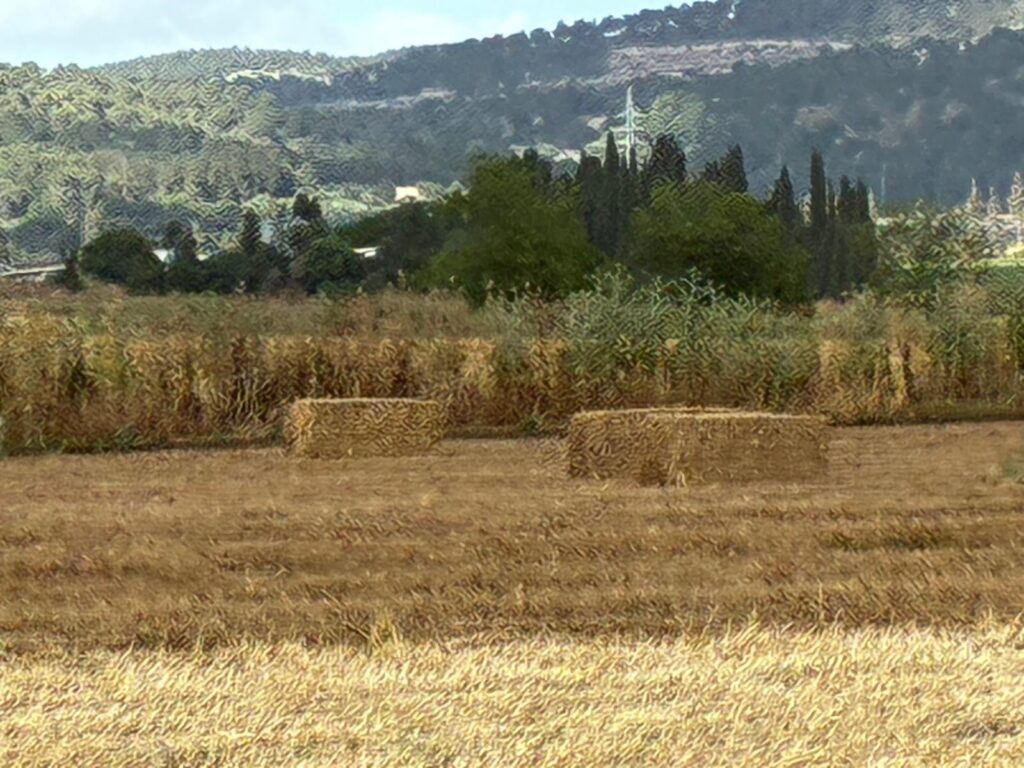
Within Israel, news related to sustainability is rare amidst the dominant war-centric narratives. Environmental updates often come in the form of negative news, such as refinery damage in Haifa or regional oil spills. However, a significant environmental update came from Israel’s State Comptroller report released in early May, highlighting internal governmental challenges affecting land allocation for agriculture.
According to the report, structural changes within government ministries have drastically reduced the allocation of agricultural land, with potential reductions reaching up to 90%. This issue is particularly concerning given the importance of agriculture for food security, a matter already flagged by the State Comptroller in a report last October, which pointed out Israel’s vulnerabilities in emergency food supply.
The environmental challenges extend beyond land use. The aftermath of last year’s fire along Highway 1 underscores the long recovery period for damaged ecosystems, with regrowth expected to take up to 15 years. This concern is amplified by data from the Israel Meteorological Service, which indicates a lengthening fire season due to climate change.
Tree planting as a compensatory measure is hindered by ongoing approvals for large-scale tree removals, with approximately 43,000 trees approved for cutting in the early months of this year alone. The projected figure for tree removals between 2023 and 2025 is about 512,000, raising concerns about the environmental impact on already strained ecosystems.
The challenges are not limited to land; the Mediterranean Sea is facing ecological degradation, as documented in the Environmental Protection Ministry’s April report. Rising water temperatures, accumulating plastic waste, and the disappearance of local species paint a bleak picture of marine health.
Furthermore, Israel’s air quality is under threat, with increasing occurrences of sandstorms and anticipated changes in rainfall patterns due to climate change, as reported by the Ministry’s annual climate preparedness review.
In a bid to address these multifaceted issues, Israel’s President has initiated the National Health System Climate Change Preparedness Program. While this move signals a step towards readiness in facing inevitable climate impacts, the overarching environmental concerns remain daunting.
As Israel navigates these complex environmental challenges, the need for comprehensive and sustainable solutions becomes increasingly urgent. The interconnection of these issues demands a coordinated response that balances immediate necessities with long-term ecological health.
Original Story at blogs.timesofisrael.com