Rethinking America’s Manufacturing Future: A Shift from Nostalgia to Innovation
The United States is at a crossroads in its manufacturing strategy, poised between the allure of reviving past industries and the necessity of embracing future technologies. As global economies pivot towards advanced manufacturing, the U.S. risks holding onto outdated models.
The strategy associated with former President Donald Trump, which focuses on rejuvenating legacy industries, mirrors his energy policy that leans heavily on fossil fuels. This approach overlooks the global shift towards clean energy and innovative manufacturing. The vital question isn’t whether manufacturing is crucial—it’s what type of manufacturing should lead in the U.S.
The current strategy of tariffs and protectionism aims to “bring manufacturing back” but fails to understand the intricacies of modern manufacturing. Today’s manufacturing is a global enterprise, with supply chains that span continents. It’s a nostalgia-driven approach that doesn’t align with economic growth.
The focus should be on what is manufactured domestically. The U.S. has the potential to lead in sectors such as:
- Semiconductors
- Advanced materials
- Precision manufacturing
- AI-enabled production
- Clean and high-tech industrial systems
These sectors promise high productivity, substantial wages, minimal environmental impact, and significant strategic leverage. They are where American manufacturing can excel, creating jobs with six-figure salaries based on expertise and value creation, not protectionism.
Conversely, low-margin, labor-intensive production like textiles and basic assembly will naturally move to regions with lower labor costs. This isn’t a failure but an economic reality. The aim is to secure the most consequential factories, not every factory.
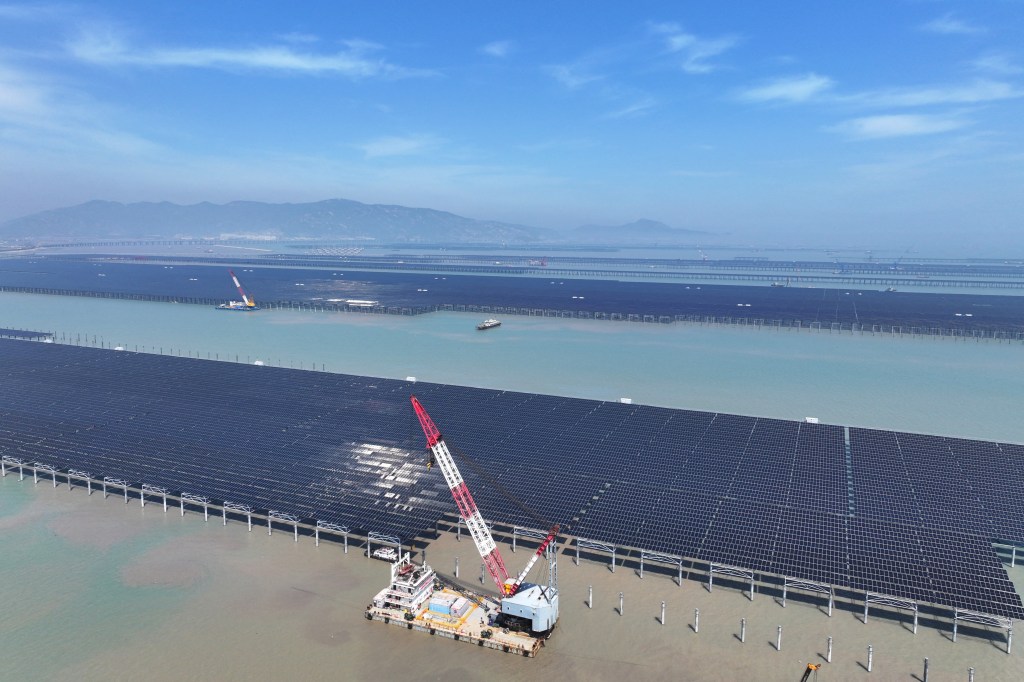
While the U.S. debates protective tariffs, China is advancing in manufacturing sectors pivotal to the future, such as solar panels, wind turbines, batteries, and electric vehicles. This expansion underscores the risk of the U.S. falling behind not just environmentally, but also strategically and economically.
National security exceptions exist where domestic manufacturing is essential, such as in defense systems, critical infrastructure components, advanced chips, and medical supplies. In these areas, resilience and redundancy take precedence over cost-efficiency.
The United States faces a critical decision: to cling to declining industries, or to invest in advanced manufacturing and education aligned with high-skill production. The current trajectory leans towards preserving the past rather than innovating for the future.
In both energy and manufacturing, the pattern of doubling down on outdated strategies is evident, potentially leading to strategic missteps in a global economy that favors innovation and scalability.
Original Story at www.bostonherald.com