Car Giants Eye UK Defense Market Amid Military Upgrades
The automotive industry is seeing a shift as Jaguar Land Rover (JLR) and General Motors (GM) explore the UK defense sector with a potential £900m military contract. This venture is aligned with a broader trend as NATO countries ramp up military expenditures.
Both automotive titans are competing to produce thousands of 4×4 vehicles for the UK’s armed forces. These new vehicles are set to replace the outdated Land Rover fleet, which ceased production in 2016, and are slated for delivery by 2030. They will be utilized for reconnaissance, patrol, and logistical missions across the army, Royal Navy, and Royal Air Force.
JLR’s potential entry into the defense sector mirrors moves by other carmakers facing challenges like the shift to electric vehicles and competition from Chinese manufacturers. In Germany, Volkswagen is contemplating converting a factory to produce heavy-duty trucks equipped with anti-missile systems. Similarly, Renault is modifying its Le Mans facility to manufacture drones for the French government.
Keir Starmer’s commitment to boosting defense spending to 5% of GDP by 2035 is part of a wider surge in military investment across NATO, making defense contracts increasingly appealing for carmakers grappling with declining profits. As reported by the Stockholm International Peace Research Institute, defense spending in Europe, including the UK, rose 14% last year, reaching $864bn (£638bn), marking the most significant increase since the Cold War.
Mark Cameron, Managing Director at JLR, highlighted the company’s intent to supply UK-designed light logistics vehicles for defense and emergency services, saying, “We will be exploring potential partnerships, including with organizations like the Ministry of Defence.” JLR’s last military vehicle production was the classic Land Rover Defender, which ended with the closure of the Solihull factory a decade ago, with the new Defender now produced in Slovakia.
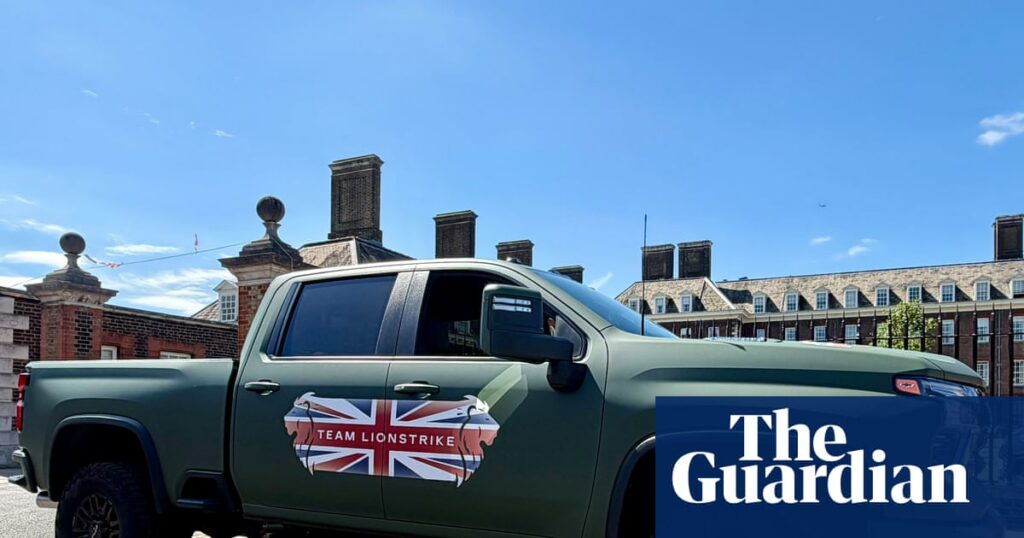
GM is entering the bid alongside BAE Systems and NP Aerospace. Gilbert Nelson, Vice-President at GM’s defense business, likened the initiative to the WWII-era industrial mobilization, stating, “There is an opportunity to re-establish and reinvigorate that relationship.” He added, “We’re interested in competing wherever we can be competitive.”
GM’s strategy involves manufacturing Chevrolet-based trucks in the US for shipment to the UK, where they will undergo military modifications. Nelson emphasized the consortium’s effort to maximize UK content in their bid.
The Ministry of Defence (MoD) contract initially covers around 3,000 vehicles, including patrol, logistics, and armored reconnaissance models. This is part of a broader strategy to replace the existing fleet of 7,800 Land Rovers and Austrian-made Pinzgauer trucks.
Currently, companies are awaiting details on the exact number of vehicles required, delayed by the pending release of the UK’s defense investment plan. Ineos, partnering with SMT, is another contender for the contract, aiming to extend the Grenadier’s use to more governments, as noted by Mike Whittington, Chief Commercial Officer at Ineos Automotive.
Additional bidders include Babcock with a modified Toyota model, Rheinmetall with a Mercedes 4×4, and General Dynamics using a Ford pickup. A government spokesperson reiterated the UK’s commitment to ensuring domestic industry plays a pivotal role in delivering the next generation of military vehicles by 2030.
Original Story at www.theguardian.com