In a surprising turn of events, Colorado’s legislative attempts to regulate data centers hit a wall, leaving the state’s environmentalists and industry stakeholders at odds. As the final days of the legislative session approached, Senate Bill 102, which aimed at imposing environmental regulations on data centers, was shelved, marking the end of a year-long effort by its sponsors.
The bill, championed by state Sen. Cathy Kipp, D-Fort Collins, and Rep. Kyle Brown, D-Louisville, sought to impose financial accountability on data centers for their energy consumption. Additionally, it aimed to ensure such facilities did not compromise Colorado’s greenhouse gas reduction targets. The proposal included a competitive process for data centers to obtain 15-year tax exemptions, evaluated on their clean energy usage, job quality, community investments, and water efficiency.
Despite revisions to include a tax incentive, the bill failed to garner enough support, leading to its indefinite postponement. Senator Kipp expressed determination to revisit the proposal, stating, “We will bring this bill back next session, but the industry needs to understand the moment.” She emphasized the necessity for data center companies to acknowledge and mitigate their environmental and community impacts.
Colorado residents have voiced concerns over the expansion of data centers, particularly regarding their resource demands and environmental footprint. Currently, the state hosts 56 data centers, as per Data Center Map, yet lacks the larger facilities found in neighboring regions that could potentially boost local economies through increased property taxes and job creation.
In addition to SB 102, a competing bill offering more extended tax incentives to data centers also failed. This proposal, led by Rep. Alex Valdez, D-Denver, and Sen. Kyle Mullica, D-Thornton, suggested 20- to 30-year tax exemptions for significant infrastructure investments. The failure of both initiatives leaves Colorado without specific incentives or environmental regulations for the data center industry.
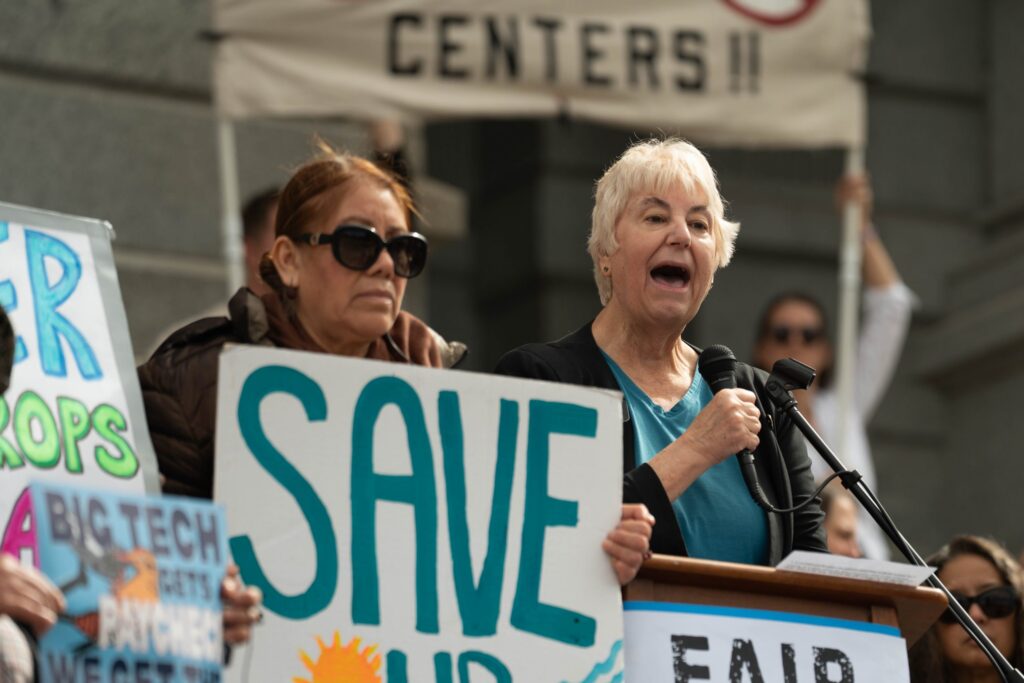
One prominent case fueling public concern is the development of a CoreSite data center in Denver’s Elyria-Swansea neighborhood. The facility’s proximity to community resources and its planned energy use have drawn criticism. Residents are actively urging CoreSite to reconsider its plans, particularly regarding the proposed diesel generators and water consumption.
Denver officials, including Mayor Mike Johnston, are considering a moratorium on data center development to establish regulatory frameworks. This action reflects broader trends across the U.S., as states grapple with the balance between economic development and environmental stewardship. Notably, Florida recently enacted legislation to protect water resources and control rising energy costs linked to data centers, as signed by Gov. Ron DeSantis.
Original Story at coloradosun.com