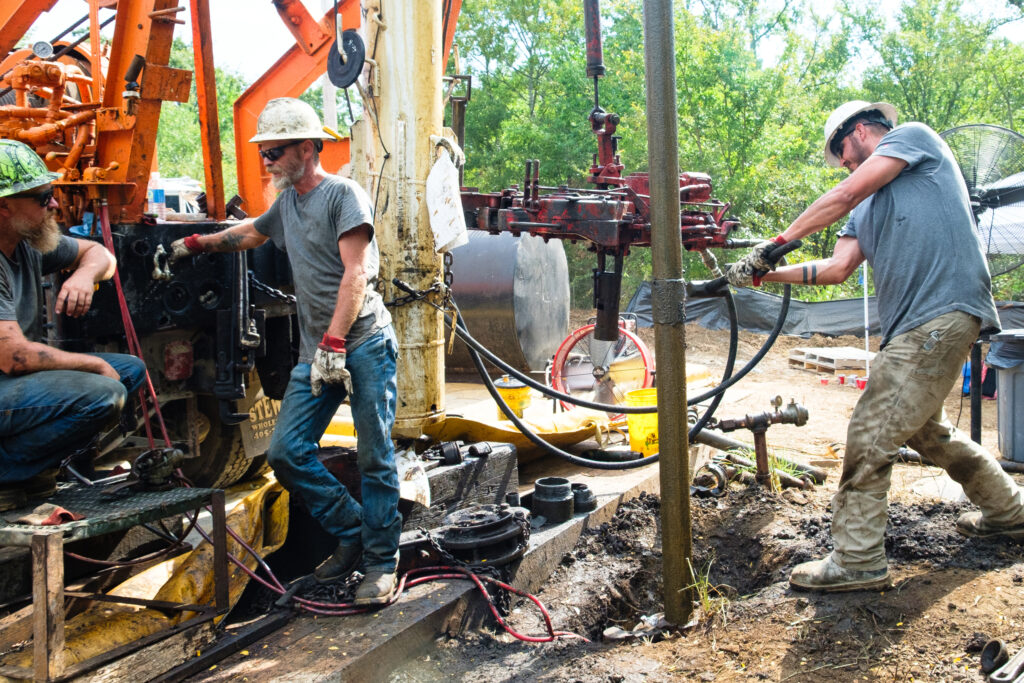
OKMULGEE, Okla.—The oil and gas industry faces a significant challenge with abandoned wells, often left unplugged, which pose environmental hazards. Some operators abandon wells to avoid cleanup costs. In December, New Mexico sued three oilmen for allegedly avoiding cleanup of over 500 unproductive wells by using shell companies to declare bankruptcy.
Millions of abandoned wells exist across the U.S., with many lacking proper documentation. The Environmental Protection Agency (EPA) estimates about 3.7 million abandoned oil and gas wells, with 58% being unplugged. Many others have failing plugs, causing pollutants to seep out.
The federal Orphaned Wells Program has logged 141,000 orphaned wells and estimates an additional 250,000 to 740,000 exist. Curtis Shuck, from the Well Done Foundation, is working to address this issue by plugging wells and raising awareness. Shuck emphasizes the importance of action, stating, “Doing the right thing is still the right thing to do.”
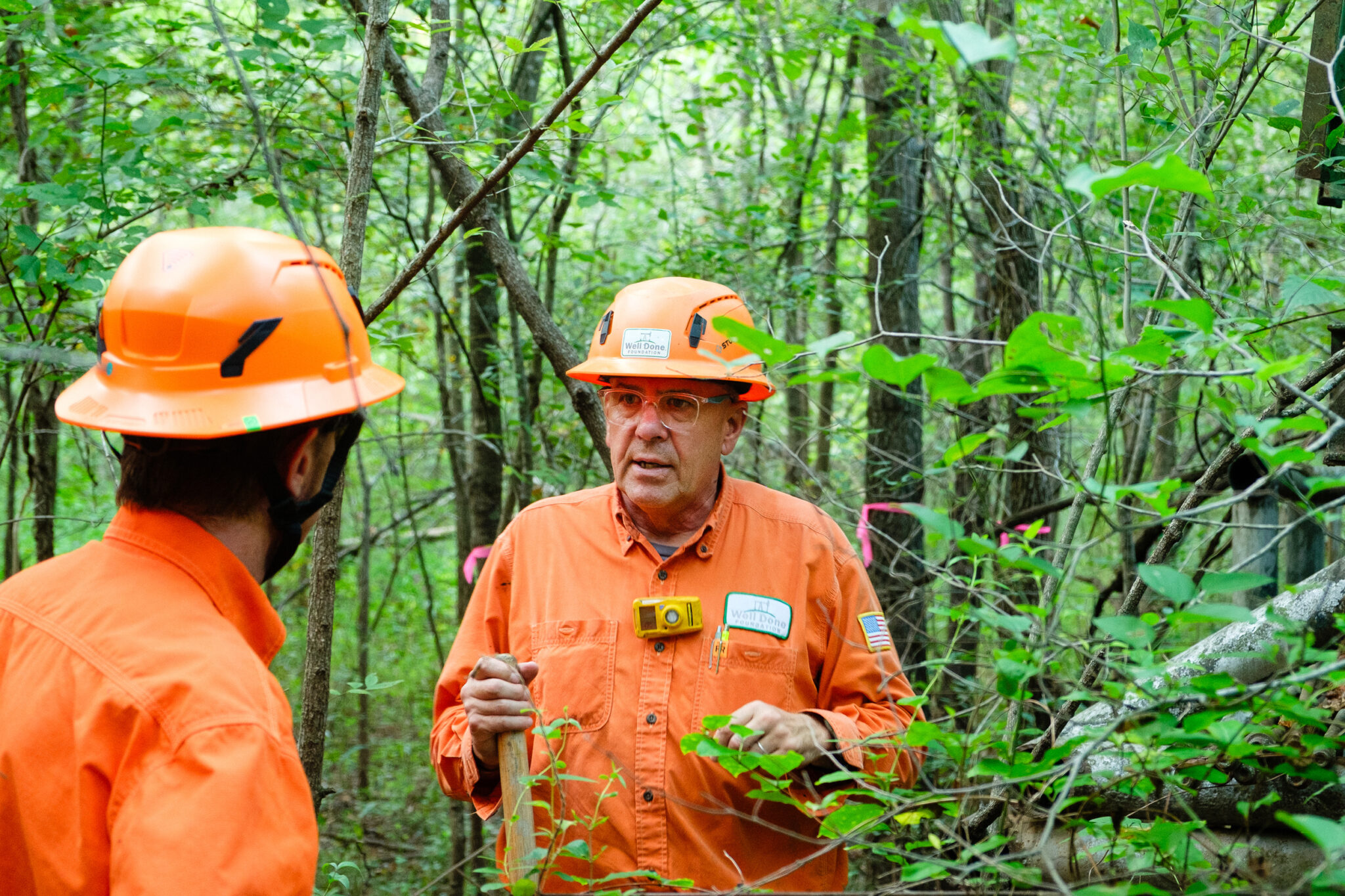
A 2023 peer-reviewed study revealed that around 4.6 million Americans live near abandoned wells, which can contaminate water and release methane, impacting both climate stability and health. Documentation of old wells is often poor, with Well Done discovering various debris, including a cannonball, when plugging wells.
The federal government has started updating regulations to address this issue. In 2024, the Bureau of Land Management updated bonding requirements to reflect contemporary well remediation costs. However, some states, like Texas, have thousands of inactive wells, and in 2024 alone, 2,139 wells were added to the roster of abandoned wells.
The Biden administration’s 2024 regulatory changes affected all federal lands, highlighting the widespread issue. States like Texas are using funds to address the problem, with new legislation setting limits on idle wells.
Shuck, seeing his role as inspiring action, asserts, “If I can do this as an individual, having impact, a career, that provides something bigger than just myself, then I hope that instills some hope with folks that, ‘OK, maybe I can do something.’”
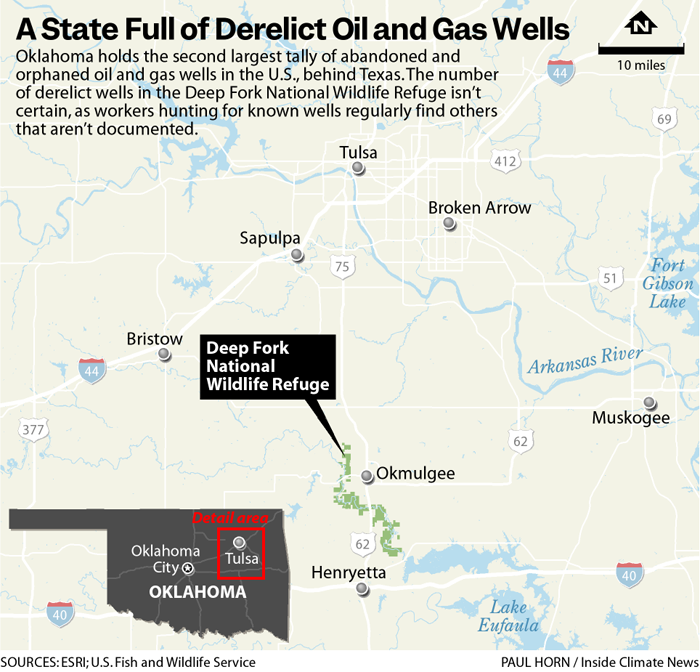
Federal regulations have historically been lax, allowing operators to evade full responsibility. However, with new bonding requirements and increased scrutiny, the hope is to tackle the orphaned wells problem more effectively. The Orphaned Wells Program plans to plug over 10,000 wells and support job creation.
In Okmulgee, Oklahoma, Well Done continues its work, having plugged 29 wells in the Deep Fork National Wildlife Refuge in its first 11 months, aiming to make a significant impact by 2030.
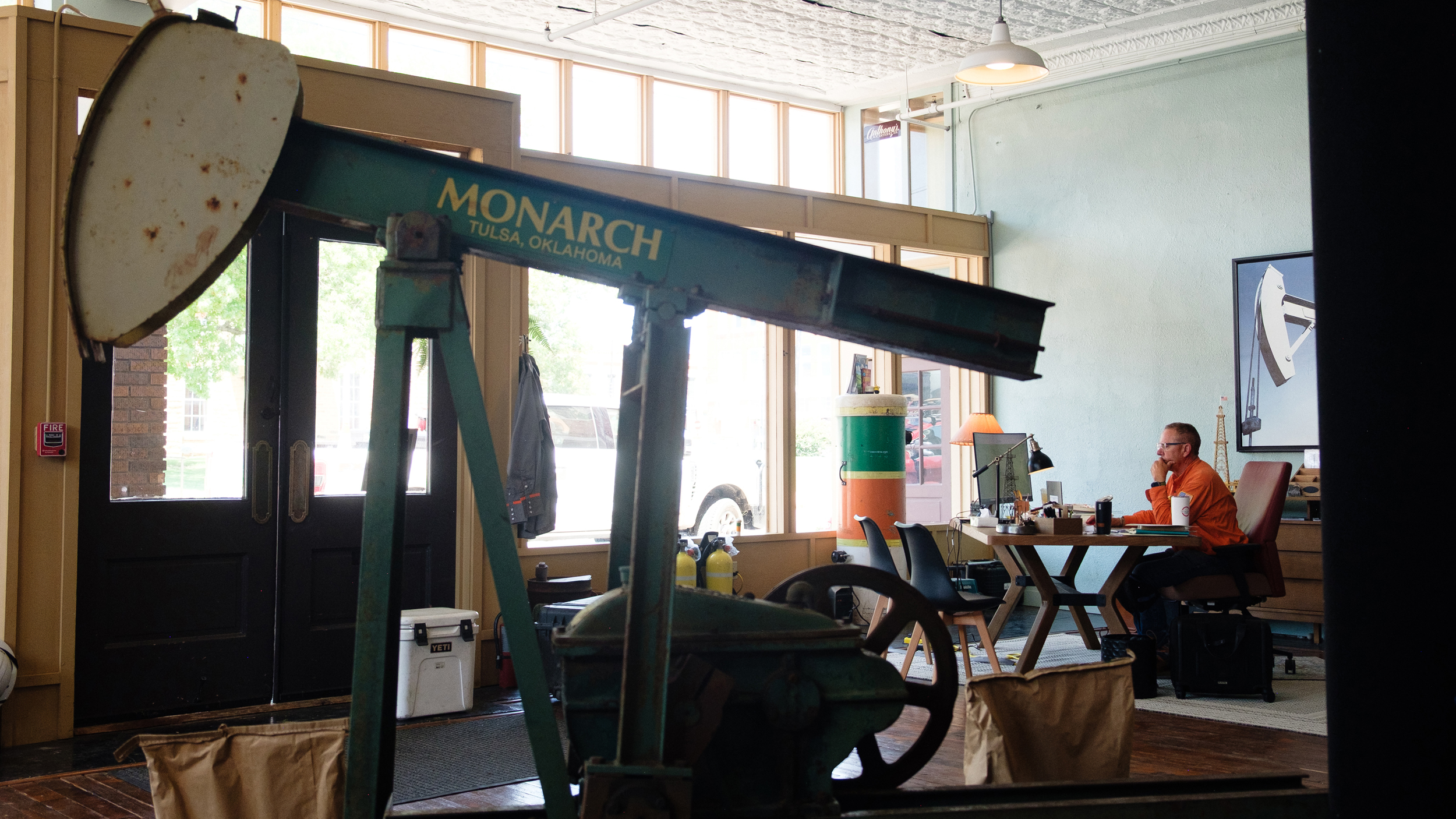
Oklahoma holds the nation’s second-largest number of abandoned wells, with efforts ongoing to address this critical environmental issue and restore affected lands.
Original Story at insideclimatenews.org