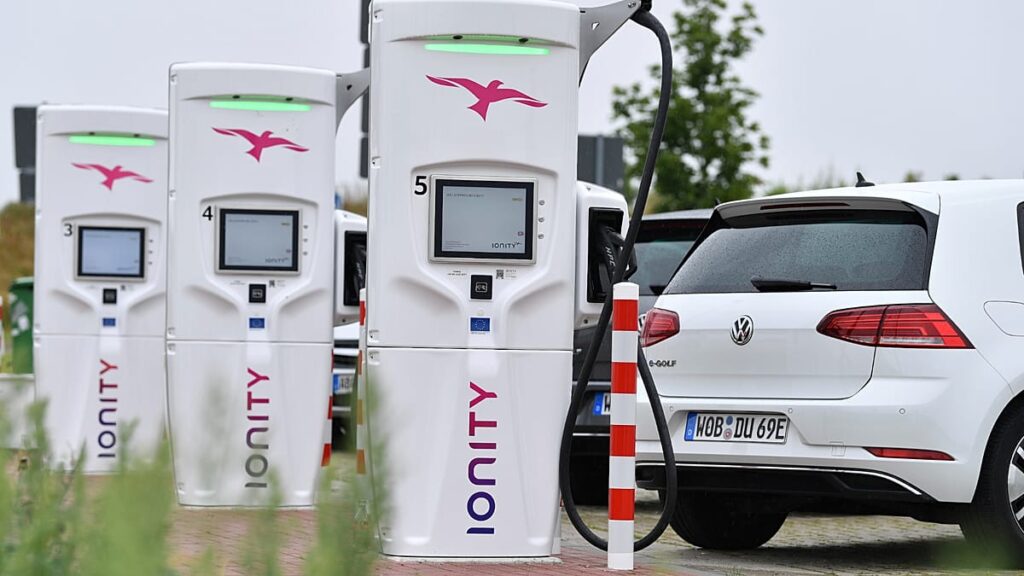
The transition to electric vehicles (EVs) has gained momentum in Europe, driven by the urgent need to reduce dependence on fossil fuels amid geopolitical tensions. As energy markets remain volatile due to the ongoing conflict in Iran, European nations are amplifying their efforts to promote the adoption of cleaner transportation alternatives.
France is taking significant steps by nearly doubling its investments in electrification, as announced by Prime Minister Sebastien Lecornu on April 10, 2026. The French government plans to allocate €10 billion annually until 2030, aiming to increase the share of electric vehicles among new car sales to two-thirds by that year. The initiative also includes a social leasing program designed to make 100,000 electric cars accessible to low-income individuals and those with long commutes.
The surge in battery-electric car sales is evident across the European Union, with figures from the European Automobile Manufacturers’ Association (ACEA) showing an increase from 13.6% of the market in 2024 to 17.4% in 2025, and a further rise to 18.8% in early 2026.
In light of the joint U.S.-Israel military operations impacting Iran, European countries are focusing on reducing fossil fuel usage. This shift towards electric vehicles is part of a broader strategy to cut emissions and enhance renewable energy adoption.
According to ACEA’s recent report, nearly all EU member states, except Latvia, provide some form of tax benefit for electric vehicle acquisition or ownership. However, six countries do not offer direct purchase incentives.
Leading Countries in Electric Vehicle Incentives for 2026
Across Europe, various incentives are employed to encourage electric vehicle purchases, including grants, tax benefits at acquisition, ownership tax exemptions, and support for charging infrastructure. An ACEA spokesperson highlighted the critical role of these incentives, stating, “Monetary and fiscal incentives are essential to driving the adoption of battery-electric vehicles (BEVs). When governments act, the results are immediate.”
Varied Incentive Levels Across Europe
Purchase incentives differ based on income and vehicle scrappage conditions. Italy offers up to €11,000, contingent on these factors, while Cyprus provides up to €9,000, with additional offers for specific groups reaching €20,000. Slovenia and Malta offer up to €7,200 and between €6,000 to €8,000 respectively, with scrappage bonuses.
Germany provides subsidies up to €6,000 based on income, and France offers up to €5,700 depending on the scheme and income level. Spain and Portugal offer incentives of up to €4,500 and €4,000, respectively.
Tax incentives are available at both the purchase and ownership stages. Norway leads with full VAT and purchase tax exemptions, achieving a 95.9% market share for battery electric vehicles by the end of 2025.
Countries like Bulgaria, Cyprus, Portugal, Greece, and Hungary offer zero registration tax and full exemption from ownership-related taxes on BEVs. Italy provides a five-year ownership tax exemption, and Romania has a minimal annual tax for BEVs.
Germany also supports EV adoption with a 10-year vehicle tax exemption and incentives for home charging installation. According to ACEA, March 2026 was Germany’s strongest month for BEV registrations since the cessation of the “Umweltbonus” subsidies in 2023.
In Poland, the “NaszEauto” program has facilitated a rapid increase in BEV registrations by offering up to PLN 40,000 (€9,440) in purchase incentives and excise duty exemptions.
In Belgium, low registration and annual taxes apply to zero-emission vehicles. Meanwhile, Bulgaria exempts EVs from taxation without additional incentives. Spain provides a 15% income tax deduction up to €3,000 and significant road tax reductions, alongside home charging support.
The ACEA spokesperson emphasized the importance of affordability, stating, “Affordability is the keystone of the transition: without it, even the best infrastructure and the widest range of models can’t sustain the mass market demand needed to reach climate neutrality.” He added that these incentives “lower the barrier to entry, create confidence, and make clean mobility attainable for more segments of the population.”
Original Story at www.euronews.com