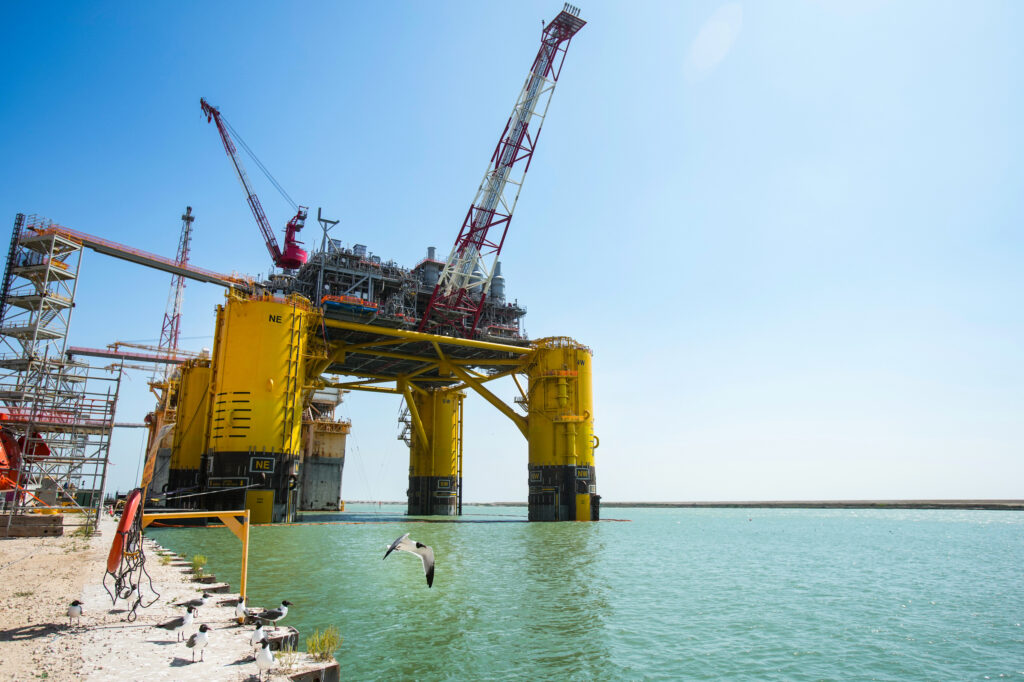
Environmental groups have filed lawsuits against the Trump administration’s decision to exempt oil and gas drilling in the Gulf of Mexico from the Endangered Species Act. This decision, they argue, jeopardizes coastal ecosystems and the law meant to protect endangered plants and animals.
Multiple legal actions have quickly followed the Endangered Species Committee’s decision. So far, six lawsuits have been initiated, including those by the Defenders of Wildlife and a coalition led by the National Wildlife Federation and the National Parks Conservation Association.
The administration’s decision on March 31 marked the first meeting in decades of the panel known as the “God Squad.” This decision followed a request from Defense Secretary Pete Hegseth, who argued that potential litigation in the Gulf posed a “national security threat.”
Hegseth indicated that litigation “creates uncertainty and instability that is beginning to chill oil and gas development,” which could have severe impacts on national security during conflicts, like the ongoing war with Iran.
Prior to the committee’s actions, U.S. oil production had already reached a record high.
“The God Squad’s exemption is both unprecedented and illegal,” said Andrew Bowman, president and CEO of Defenders of Wildlife. “We seek to protect endangered species now in grave peril and defend the Endangered Species Act itself.”
Taylor Rogers, a White House spokesperson, stated that the God Squad “has full authority to grant exemptions” under the Endangered Species Act, and deemed the decision essential “to prevent disruptions to America’s energy supply.”
Law professor Dave Owen noted the exemption is rarely needed for development, including in the Gulf where drilling has been consistent throughout the law’s history. “This administration seeks to create exemptions from environmental laws to make headlines,” said Owen, of the University of California College of the Law, San Francisco.
Section 7(j) of the law allows exemptions if there is a national security risk, which the administration claims as justification. However, the exemption was issued under section 7(h), which requires a longer, public process that was not observed, possibly leading to legal challenges.
Critics, including Sen. Ed Markey and Rep. Jared Huffman, held a press conference with Earthjustice and local environmental groups opposing deepwater drilling. Mississippi Gulf Coast resident Katherine Egland recalled the devastation caused by the BP Deepwater Horizon disaster, the largest marine oil spill in U.S. history.
“Gulf residents face disproportionate climate vulnerabilities,” said Egland, of the NAACP board. “We should not be sacrificed for harmful environmental projects.”
The spill killed numerous wildlife, affecting 20% of the Rice’s whale population. Only 51 of these whales remain, with potential collisions with oil industry vessels further threatening their survival.
Original Story at insideclimatenews.org