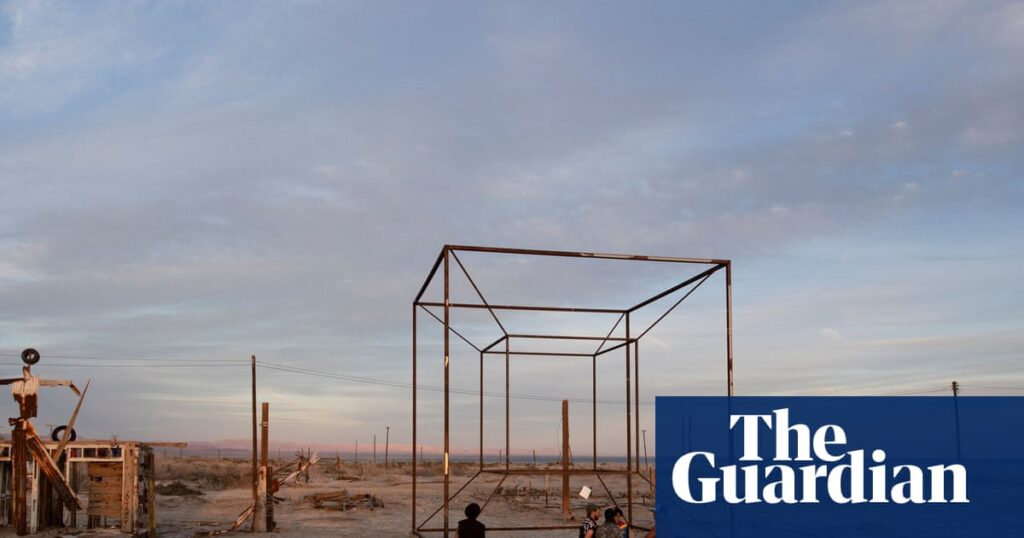
In the heart of the California desert lies a festival unlike any other. The Bombay Beach Biennale, set against the backdrop of an almost surreal landscape, challenges the norms of art festivals with its unique blend of culture, counter-culture, and community engagement. Situated over 150 miles east of Los Angeles and below sea level, this festival is a testament to human creativity in the unlikeliest of places.
The Festival’s Unique Setting and Origins
Bombay Beach, a small town marked by poverty and the scent of decay from the nearby Salton Sea, is the intriguing stage for this biennale. This inland lake, born from a century-old irrigation mishap, adds to the town’s mystique. The Bombay Beach Biennale was conceived as an artistic and philosophical movement, aiming to revitalize the area culturally and environmentally. It proudly maintains a close connection with Bombay Beach’s 231 permanent residents, embracing its outsider status.
A Decade of Growth and Cultural Influence
Originally a modest gathering of about a hundred individuals, this year marked the 10th anniversary of the Biennale, now drawing 150 artists and a myriad of volunteers and visitors. The festival’s atmosphere is deliberately DIY, analog, and bohemian. Accommodations are unconventional, with attendees camping or staying in trailers due to the absence of nearby hotels. The festival operates without merchandise or advertising, fostering an organic, self-sustaining environment free from commercial influence.
On the festival’s final Saturday, the beach is illuminated with flame tree sculptures and neon cubes, setting the scene for parades and artistic displays. Repurposed buildings transform into vibrant spaces hosting jazz, coffee houses, and dance clubs. Attendees also enjoy open-air opera and avant-garde ballet performances, offering a diverse cultural experience.
Challenges and Changes
Despite its success, the Biennale faces challenges related to its rapid growth. Concerns have arisen that it might become too similar to larger festivals like Coachella or Burning Man. A recent incident involving a drunk driver led to serious injuries and necessitated private security, highlighting the need for changes in how the event is managed.
The founders, including Tao Ruspoli, Lily Johnson White, and Stefan Ashkenazy, have worked to keep the festival true to its roots. It remains unticketed, with dates shared through word of mouth to maintain a more intimate atmosphere. Ruspoli, a filmmaker and philosopher, views Bombay Beach as a microcosm of America’s broader challenges, describing it as “apocalyptic” due to its environmental and social issues. “In Bombay Beach everything that can go wrong in the world has gone wrong; that’s why people most describe it as apocalyptic or post-apocalyptic,” he says.
Future Directions and Philosophical Themes
Each Biennale embraces a distinct philosophical theme, often with apocalyptic undertones. This year’s theme, “Year X: The Last Judgement,” continued the tradition of thought-provoking topics. While the festival hosts philosophical symposiums, the overall ambiance remains playful and engaging, with attendees participating in various activities around town.
Despite the vibrant atmosphere, the founders recognize the need to limit overcrowding and mitigate negative impacts on local residents. The festival aims to return to its more collaborative roots, ensuring accessibility for the community. Dulcinee DeGuere, the Biennale’s systems architect and producer, reflects on the evolving nature of the event, stating, “We love all of our guests, and we’re so happy they get to experience what we experience. But we’re just going to invite them to come throughout the season, instead of inviting everybody at the same time.”
As the Bombay Beach Biennale looks to the future, Ruspoli expresses pride in the festival’s achievements. He remarks, “I’m so amazed that this experiment caught on at all. I feel like we had a little kindling on a windy campsite and we didn’t know if it was going to actually take off. Miraculously, it did. I’m very grateful to the hundreds of people who have made this weird dream a reality.”
Original Story at www.theguardian.com