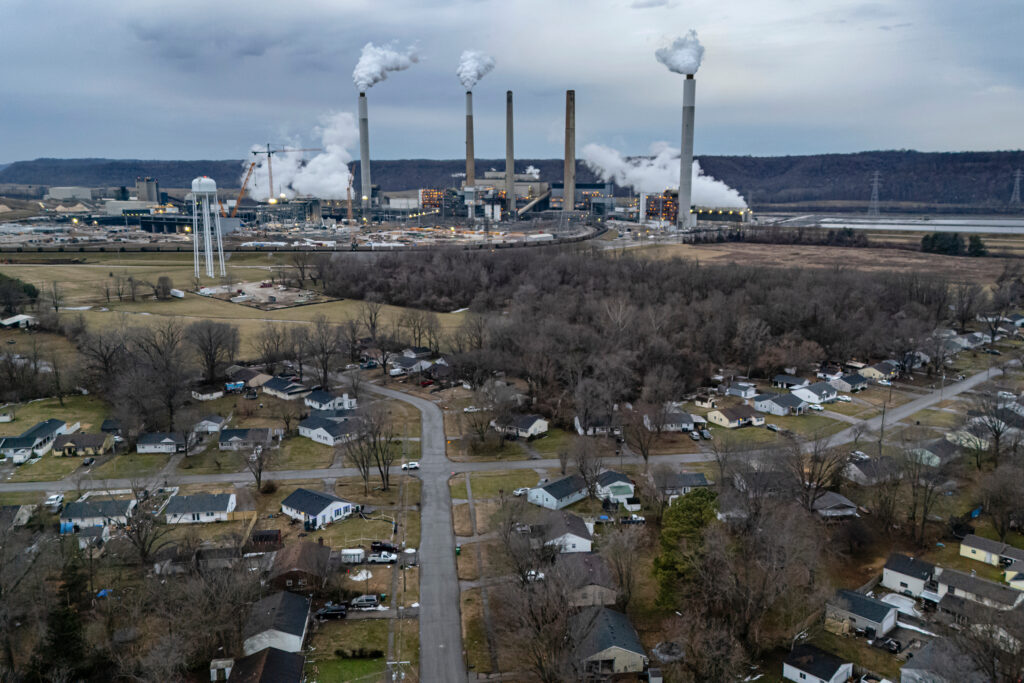
At one time, the U.S. electricity grid primarily relied on coal. However, coal-fired power plants have been gradually decommissioned due to their high operational costs and associated risks of toxic air pollution and climate-warming emissions.
President Donald Trump, upon returning to the White House, attempted to revive the coal industry by invoking emergency powers to mandate utilities continue operating outdated coal plants.
Legal experts argue this misuse of wartime legislation creates instability for utilities, grid operators, and regulators, challenging their long-term planning efforts. “It’s just illegal,” stated Alexandra Klass, a University of Michigan Law School professor and former Biden administration adviser.
Environmental advocates and state officials are contesting these orders in court, with ongoing cases in the U.S. Court of Appeals for the District of Columbia Circuit.
The Trump administration has also slowed the progress of clean energy alternatives by halting offshore wind initiatives and delaying onshore wind permits.
Klass co-authored a new essay with Dave Owen of UC Law San Francisco, analyzing the history of presidential emergency powers in energy matters.
Under Trump, the Department of Energy invoked Section 202(c) of the Federal Power Act to prevent coal plant closures, a provision originally used by President Franklin D. Roosevelt during World War II.
This power was used sparingly until Trump, who issued orders to keep coal plants running. Notably, the JH Campbell plant in Michigan was mandated to remain operational against its owner’s plans to retire it in favor of more cost-effective natural gas and renewable energy.
Since 2025, the Trump administration issued orders for other plants, including Eddystone in Pennsylvania and Centralia in Washington. These actions raise concerns among energy analysts about increased electricity costs and unreliable power.
Energy Secretary Chris Wright defended the orders, arguing they ensure reliable and affordable electricity, though critics assert these policies contribute to rising energy costs.
Consumers Energy reported spending $290 million since the first emergency order for JH Campbell, with $135 million covered by utility customers.
Further regulatory action is limited unless Congress modifies the law on emergency powers, an unlikely scenario given current political dynamics.
Other related stories:
The War in Iran Could Reshape the Global Energy Landscape: The conflict is prompting nations to diversify energy sources, as reported by Inside Climate News.
Pakistan Embraced Solar Amid Gas Market Disruption: Pakistan’s investment in solar power has reduced its reliance on imports, as reported by E&E News.
Offshore Wind Opposition and Whale Protections: The Trump administration’s stance on offshore wind and whale protections is explored by Canary Media.
Rooftop Solar’s Growth in Puerto Rico: New data shows rooftop solar now accounts for 20% of Puerto Rico’s electricity, as reported by Utility Dive.
Original Story at insideclimatenews.org