USDA’s Research Shift: Navigating Language and Politics
In recent developments, federal researchers have found themselves adapting not just to scientific challenges but also to a shifting political landscape. At the heart of this transformation is a linguistic shift within the Department of Agriculture’s research division, where certain words, particularly those related to climate, have been quietly sidelined.
According to Ethan Roberts, union president at the National Center for Agricultural Utilization Research, the term “climate” has become taboo. This change is part of a broader pattern observed across various federal agencies and institutions, as researchers navigate the political climate under President Donald Trump’s administration.
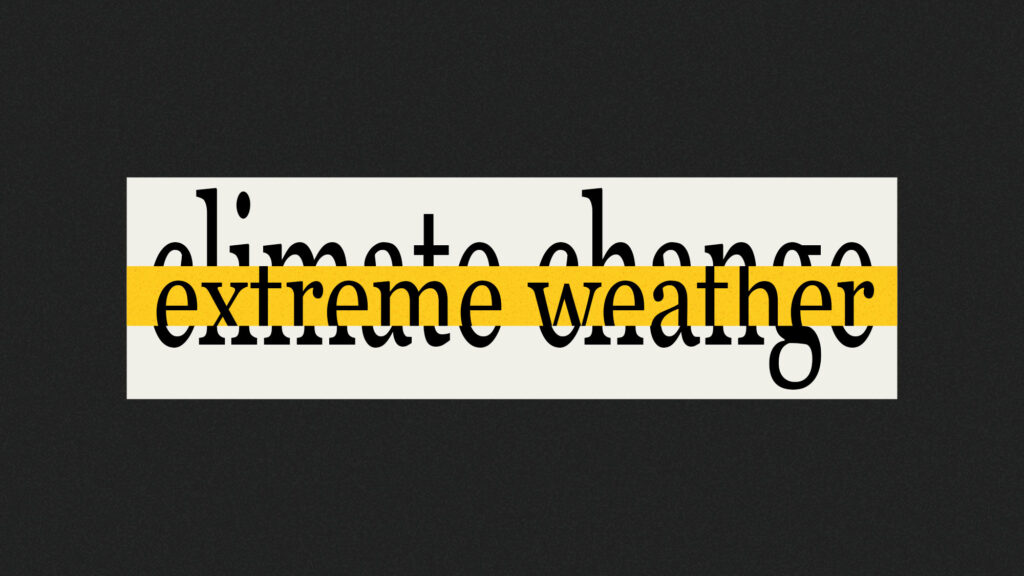
In March, a directive from the USDA’s Agricultural Research Service advised staff to avoid using over 100 newly banned terms, many related to climate change, such as “global warming” and “carbon sequestration” (source). Consequently, researchers have been creatively reframing their work, opting for alternatives like “elevated temperatures” and “extreme weather.”
This phenomenon, dubbed “climate hushing,” reflects a broader trend where businesses, politicians, and media have also reduced their focus on climate change. The memo is just one example of how language around climate change and diversity initiatives is being altered or suppressed.
Elon Musk’s Department of Government Efficiency (DOGE) has further compounded these changes by laying off large numbers of federal workers and cutting funding for environmental projects. Scientists have been finding innovative ways to continue their research by rephrasing proposals or seeking alternative funding sources. For instance, proposals to the National Science Foundation (NSF) now frequently use “extreme weather” instead of “climate change,” a strategy reflecting a 77% decrease in NSF grants mentioning climate change from 2023 to last year (source).
Trent Ford, state climatologist for Illinois, echoes this adaptation strategy. He frames grant proposals using terms like “weather extremes” to secure funding without directly invoking climate change. While this approach feels counterintuitive to some researchers, it appears necessary for securing grants under the current administration.
The Trump administration’s stance has also impacted broader research priorities. For example, proposals previously emphasizing diversity in agriculture are now revised to focus on “all American farmers” to secure approval. Such shifts highlight the delicate balance researchers must strike between scientific objectives and political realities.
As federal funding becomes scarce, some researchers are turning to private or international sources. Dana Fisher of American University, for instance, has sought overseas funding, a strategy she previously employed during George W. Bush’s presidency.
Interestingly, topics like “equity” and “environmental justice” have become even more contentious than climate change itself, as evidenced by the closure of related EPA offices and the complete omission of DEI terms from NSF grants.
The evolving language and funding landscape raise questions about the impact on scientific research. While some view it as censorship, others argue it’s simply reflecting the priorities of the current administration. As USDA’s Roberts points out, “Clever word usage, and controlling the scope of how the research is presented, allows for scientists to keep doing the work.”
Original Story at grist.org