Electricity Challenges and Solutions in the Dominican Republic
Electricity in the Dominican Republic (DR) is a vital part of daily life, yet many households are burdened with high costs and unreliable service. With frequent blackouts, such as the one last month that was the second in three months, the country’s electricity infrastructure is under pressure.
The DR, home to almost 12 million people, is one of the largest electricity markets in the Caribbean. It relies heavily on imported fossil fuels, with coal, oil, and natural gas plants accounting for about 83% of its electricity generation. This dependency on foreign energy sources makes the country vulnerable to global market fluctuations and adds to the financial strain on households.
Financial Implications of Energy Dependency
The Dominican government spends approximately $2 billion annually on electricity subsidies to keep power affordable for low- and middle-income (LMI) households. However, these subsidies strain public finances and discourage investment in renewable energy, perpetuating reliance on imported fuels.
Despite being rich in sunshine, the DR has yet to fully harness its solar energy potential. With the right infrastructure, rooftop solar could become a viable, decentralized energy solution for many households.
The Unequal Solar Energy Landscape
Currently, solar energy in the DR benefits predominantly wealthier households, with about 4.5% of the population controlling nearly 97% of the installed rooftop solar capacity. This disparity leaves LMI households dependent on subsidized electricity and increases the financial burden on the government as wealthier households reduce their grid reliance and utility contributions.
When high-income households install solar, utilities lose revenue since these customers reduce their electricity purchases, yet the fixed costs of grid infrastructure remain. Consequently, the government compensates for this shortfall, increasing public spending and affecting taxpayers.
Community-Led Solar Initiatives
To address these challenges, community-led solar projects, like Convite Solar, offer a promising solution. These initiatives aim to democratize access to solar energy, allowing LMI households to benefit from reduced energy bills while lowering government subsidies.
Convite Solar, inspired by the Dominican concept of a “convite,” or communal effort, promotes community-based installation and maintenance of solar systems. This model empowers residents through training and collective action, reducing costs and building local capacity.
Convite Solar in Action
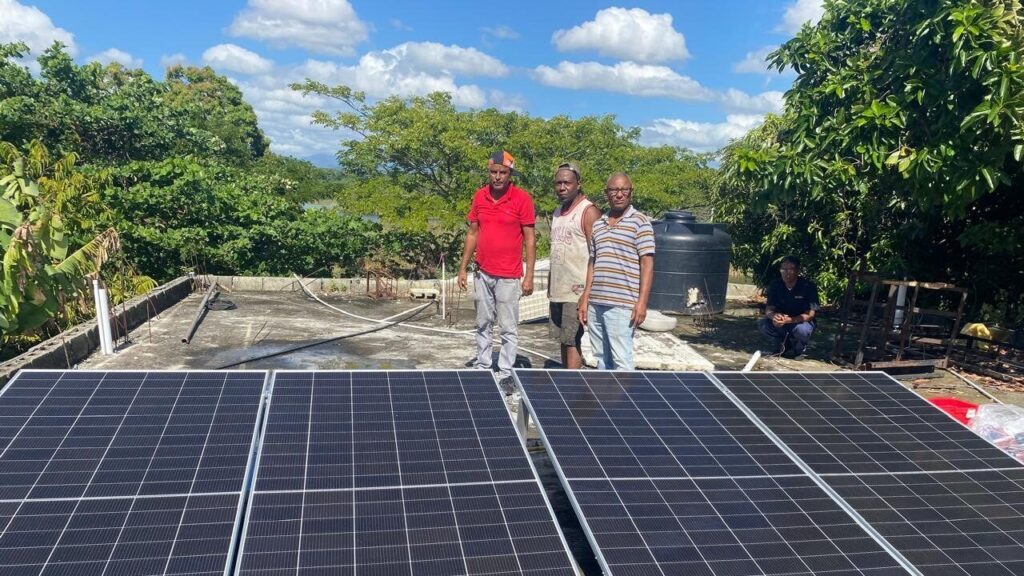
The first Convite Solar pilot in Nizao has seen successful installations of solar-plus-battery systems, validating the model’s technical and financial viability. By engaging community members in the installation process, the initiative fosters a sense of ownership and has received positive feedback from participants.
Original Story at rmi.org