
Published March 11, 2026 05:32AM
The National Park Service (NPS) is conducting a comprehensive review of informational displays and signage throughout U.S. national parks. This initiative aligns with an executive order issued by President Trump aimed at re-evaluating how American history is presented on public lands. The order, titled Restoring Truth and Sanity to American History, calls for federal agencies to ensure historical depictions do not inappropriately disparage Americans.
Recently, a Washington Post article shed light on a public database detailing nearly 900 signs and publications at NPS sites marked for potential removal. This data encompasses topics ranging from racism and sexism to environmental issues and historical events, such as slavery and civil rights.
Alan Spears from the National Parks Conservation Association has commented on the situation, stating, “The administration’s orders to censor history and science at America’s national parks continue to sow chaos and confusion across the country. This database makes it clear that dedicated national park staff are facing enormous pressure to police park exhibits and report any materials that the administration may seek to hide from the American people.”
The examination of these displays is part of a larger effort by the Trump Administration to scrutinize monuments, memorials, and statues. The executive order, issued in March 2025, mandates that public sites should not feature content that might be perceived as disparaging to Americans, past or present. A comprehensive list of all the signs removed can be found here.
Among the signs flagged for review are those discussing sea level rise in Florida and memorials like the one dedicated to Emmett Till, a 14-year-old Black child killed in Mississippi in 1955. Additionally, signs about the 1864 Sand Creek Massacre have been identified as potentially problematic.
The dataset, compiled by anonymous contributors identifying as “civil servants on the front lines,” suggests that the removal of these signs aims to “use your public lands to erase history and undermine science.” It asserts that the data “belongs to the American people, who need to know what is being done in their name.”
According to The Washington Post, the database includes 879 entries from over 100 NPS sites. While some signs are flagged due to their poor condition, others are under scrutiny for their historical content. Here are the main themes identified in the flagged materials:
LGBTQ+
Sunset Crater Volcano National Monument in Arizona: A photo of a visitor with a Pride flag in an indoor exhibit has been flagged.
Slavery and the Civil War
Gulf Islands National Seashore in Florida: Publications that recount the stories of enslaved individuals and Civil War histories have been marked for review. Titles like “Dueling with Confederates” and “Blacks Join Union Army” are among them. Although these signs could be perceived negatively by some, the NPS staff recommended retaining them unchanged.
Timucuan Ecological and Historic Preserve in Florida: Signs detailing the history of slavery in Florida were flagged for potentially disparaging language regarding the U.S., especially those describing the “horrid conditions the enslaved endured during their transport to the Americas.”
Fort Frederica National Monument in Georgia: Signs discussing logging, the emancipation of Black people, and British rights to sell enslaved Africans have been flagged.
Monocacy National Battlefield in Maryland: As part of a museum renovation, a sign about L’Hermitage, a large slave village, was flagged for review.
Vicksburg National Military Park in Mississippi: Materials about the Union occupation of Vicksburg during the Civil War and Reconstruction, along with a panel on the causes of the Civil War, were flagged.
Gateway National Recreation Site in New York: Panels at the Jamaica Bay Wildlife Refuge Visitor Center and a film on Colonel Tye, a respected guerrilla commander, were flagged.
Cape Hatteras National Seashore in North Carolina: Numerous materials were flagged, including those related to light pollution’s impact on sea turtles, and accounts of the Civil War and Hurricane Dorian’s effects. The appropriateness of women pirates dressing like men was also questioned.
Carl Sandburg Home National Historic Site in North Carolina: A timeline discussing property owners’ roles in enslavement and white supremacy was flagged.
Fort Raleigh National Historic Site in North Carolina: Markers on the Freedom Trail, highlighting the history of the Freedmen’s Colony, were flagged. Additionally, references to natural resources were scrutinized.
Ninety Six National Historic Site in South Carolina: A book about female runaways in the 18th century was flagged out of caution.
Stones River National Battlefield in Tennessee: Exhibits addressing slavery as the primary cause of the Civil War, including images of enslaved people, were flagged.
Christianhead National Historic Site in the U.S. Virgin Islands: Exhibits on the wharf describing slavery and the sugar industry were flagged, along with videos related to shipwrecks from the slave trade and environmental history.
Virgin Islands National Park in the U.S. Virgin Islands: Plaques recounting historical events in the Danish West Indies and exhibits at the Annaberg Sugar Plantation were flagged.
Cumberland Island National Seashore in Georgia: Dozens of items were flagged, including those about non-native plants, feral horses, and colonization.
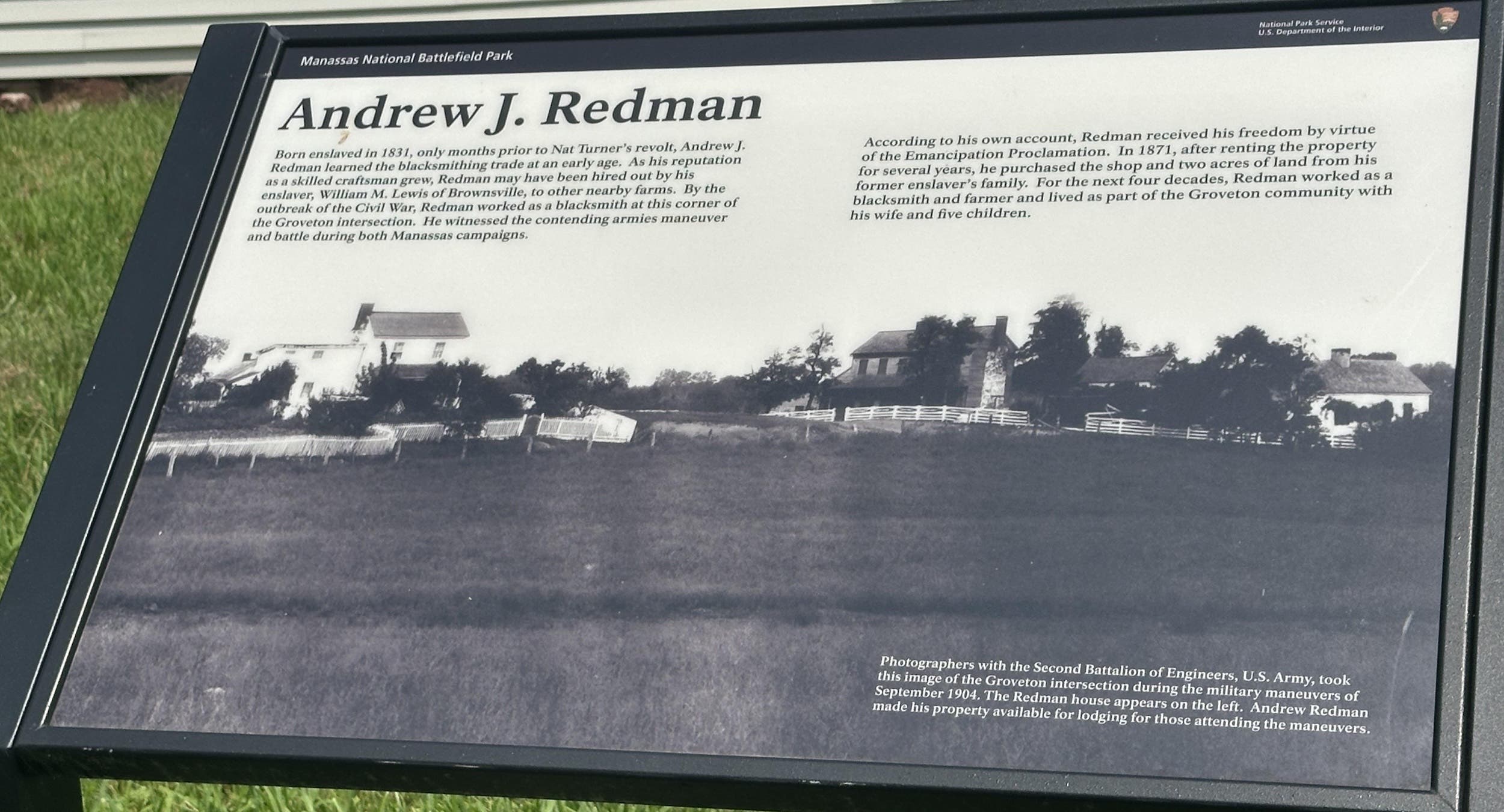
Manassas National Battlefield Park in Virginia: Books discussing the Civil War, Fredrick Douglass, and emancipation were flagged.
Dayton Aviation Heritage National Historical Park in Ohio: Materials on post-Civil War racism and exaggerated portrayals of African Americans were flagged.
Ulysses S. Grant National Historic Site in Missouri: An 1868 political cartoon about Reconstruction-era issues was flagged.
National Mall and Memorial Parks in Washington, D.C.: Signs were flagged for potential disparagement, including one mentioning Franklin D. Roosevelt’s disability.
Reconstruction Era Historical Park in South Carolina: Content about the Civil War and Emancipation Proclamation was flagged for potentially offending some visitors.
Cane River Creole National Historical Park in Louisiana: Signs and brochures referencing the Civil Rights Act and slavery were flagged.
Independence National Historical Park in Pennsylvania: Panels about enslaved people and slavery were flagged, removed, and reinstated.
Chickamauga and Chattanooga National Military Park in Georgia and Tennessee: Signs about the Civil War and enslaved people were flagged.
Blue Ridge Parkway in Virginia and North Carolina: Signs about Blackface and Minstrel music were flagged.
At least 17 other sites referencing slavery, the Civil War, and the Confederacy were also included in the list.
Indigenous Histories
Delaware Water Gap National Recreation Area in Delaware: A brochure mentioning colonization and a fraudulent land deal was flagged.
Castillo de San Marcos National Monument in Florida: A brochure developed with tribal perspectives on Plains Tribes imprisonment was flagged. Items on Civil Rights, women’s suffrage, and the War of 1812 were also flagged.
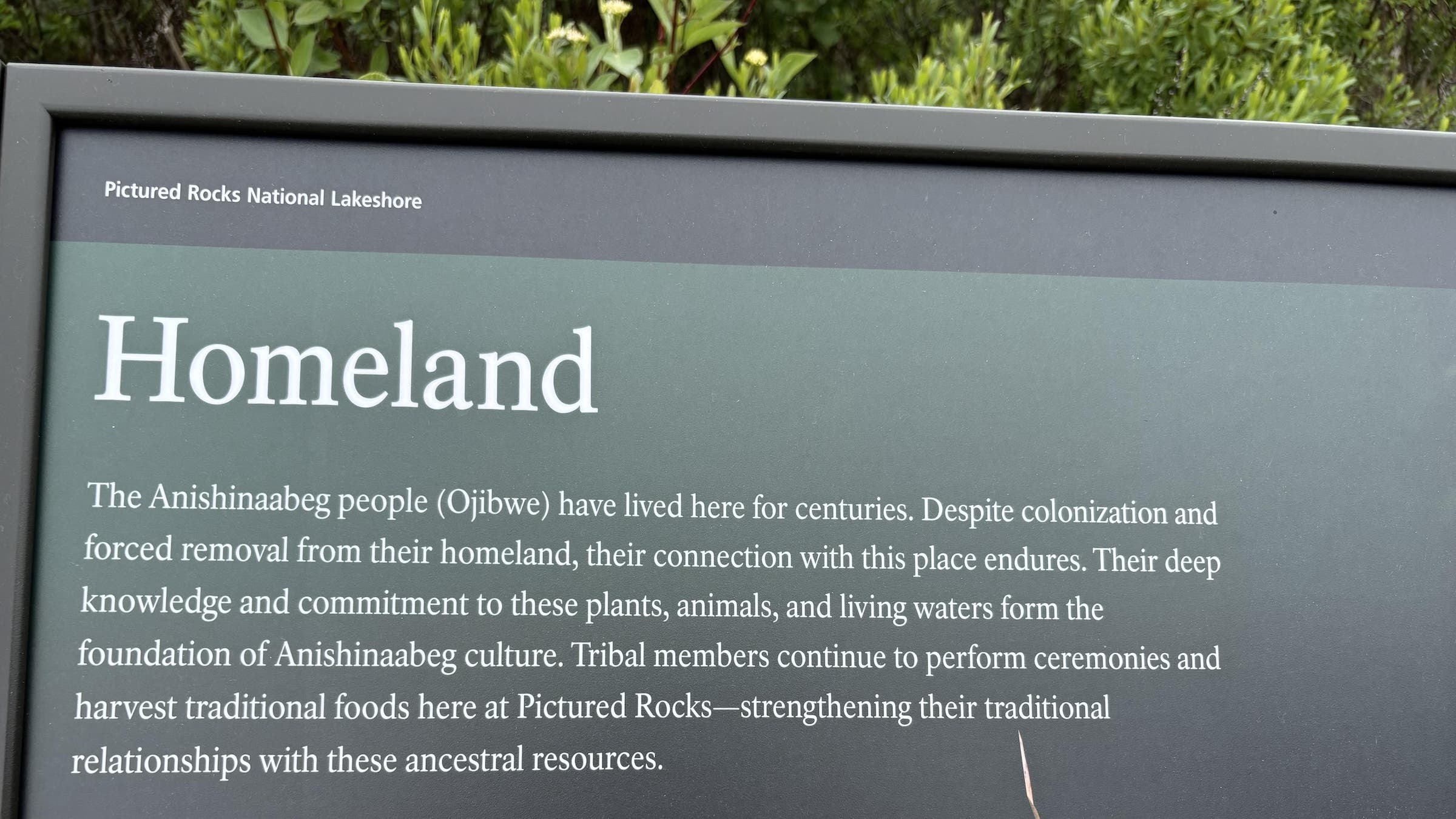
Pictured Rocks National Seashore in Michigan: A new exhibit referencing indigenous resilience against colonization was flagged.
Little Bighorn Battlefield National Monument in Montana: Text about federal Indian boarding schools was flagged. Staff recommended keeping the language as it was requested through tribal consultation.
Fort Matanzas National Monument in New Mexico: A book about Native American leaders was flagged for sale.
Padre Island National Seashore in Texas: Text inaccurately stating the extinction of the Karankawa people, who still exist, was flagged.
George Washington Memorial Parkway and Theodore Roosevelt Island in Virginia: A tribal land acknowledgment was flagged for review.
San Antonio Missions National Historical Park in Texas: Photos involving Spanish cultural impacts on indigenous groups were flagged.
Pipestone National Monument in Minnesota: A book containing derogatory material about Native Americans was flagged.
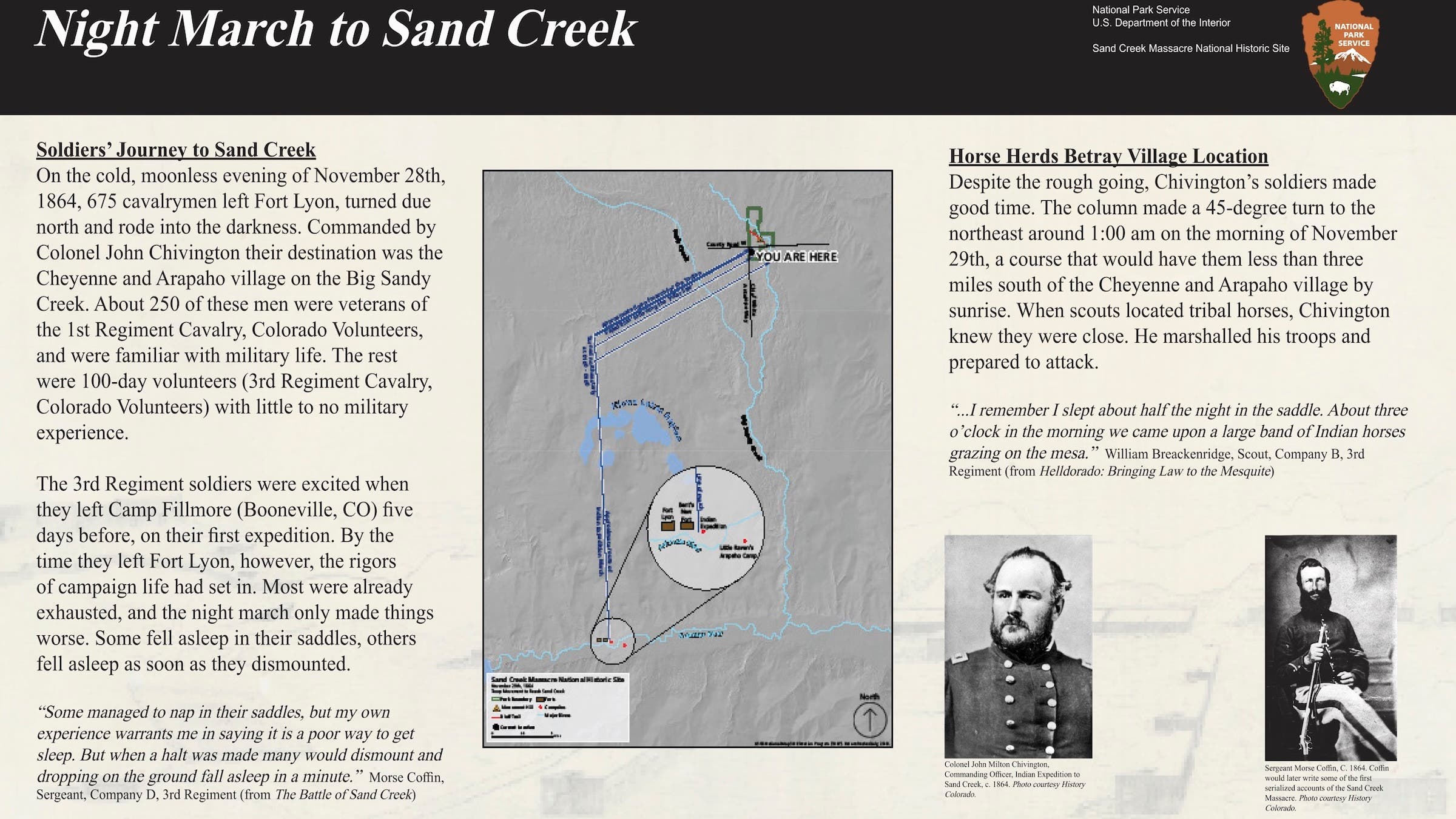
Sand Creek Massacre National Historic Site in Colorado: A sign featuring Colonel John Chivington was flagged for frequent vandalism.
Wind Cave National Park in South Dakota: Signs about white settlers and bison slaughter were flagged.
Piscataway Park in Maryland: Signs on colonial policies were flagged for simpler language.
Muir Woods National Monument in California: An exhibit on Indigenous history and eugenics was altered or removed.
At least 24 other sites mentioning Indigenous histories and land acknowledgments were flagged for review.
Climate Change, Science and Environmental Issues
Glacier National Park in Montana: Five removed signs have been replaced with materials on climate change and glaciers.
Biscayne National Park in Florida: An exhibit on “Marine Debris” was flagged for potentially overshadowing the park’s beauty.
Everglades National Park in Florida: Signs on urbanization and industrialization were flagged.
War in the Pacific National Historical Park in Guam: Exhibits on habitat damage and climate change were flagged.
Great Smoky Mountains National Park in Tennessee: Worn signs on climate change, air pollution, and logging impacts were flagged.
Cape Cod National Seashore in Massachusetts: Signs about carbon cycles and climate change were submitted.
Andrew Johnson National Historic Site in Tennessee: Exhibits on President Johnson’s controversial beliefs were flagged.
Timucuan Ecological and Historic Preserve in Florida: Signs with images of a slave ship and overpopulation impacts were flagged.
Salt River Bay National Historical Park and Ecological Preserve in the U.S. Virgin Islands: Signs on climate and human impacts on ecosystems were flagged.
Acadia National Park in Maine: Signs about Indigenous history and climate change were removed.
Buck Island Reed National Monument in the U.S. Virgin Islands: Signs discussing pollution and human impacts were flagged.
Marsh-Billings-Rockefeller National Historical Park in Vermont: A sign describing the site as a “Climate Friendly Park” was flagged.
Mammoth Cave National Park in Kentucky: Exhibits on human impacts on bat populations and pollution were flagged.
Jean Lafitte National Historical Park and Reserve in Louisiana: Signs on rising sea levels and African American community history were flagged.
At least 21 other NPS sites referring to environmental issues and climate change were flagged for review.
The Civil Rights Movement and Women’s Suffrage
Medgar and Myrlie Evers Home National Monument in Mississippi: A sign marking where Civil Rights leader Medgar Evers was killed was flagged.
Freedom Riders National Monument in Alabama: Content on the firebombing of the Freedom Riders’ bus was flagged for focusing on American achievements.
Birmingham Civil Rights National Monument in Alabama: Content on Birmingham’s Black Business District was flagged.
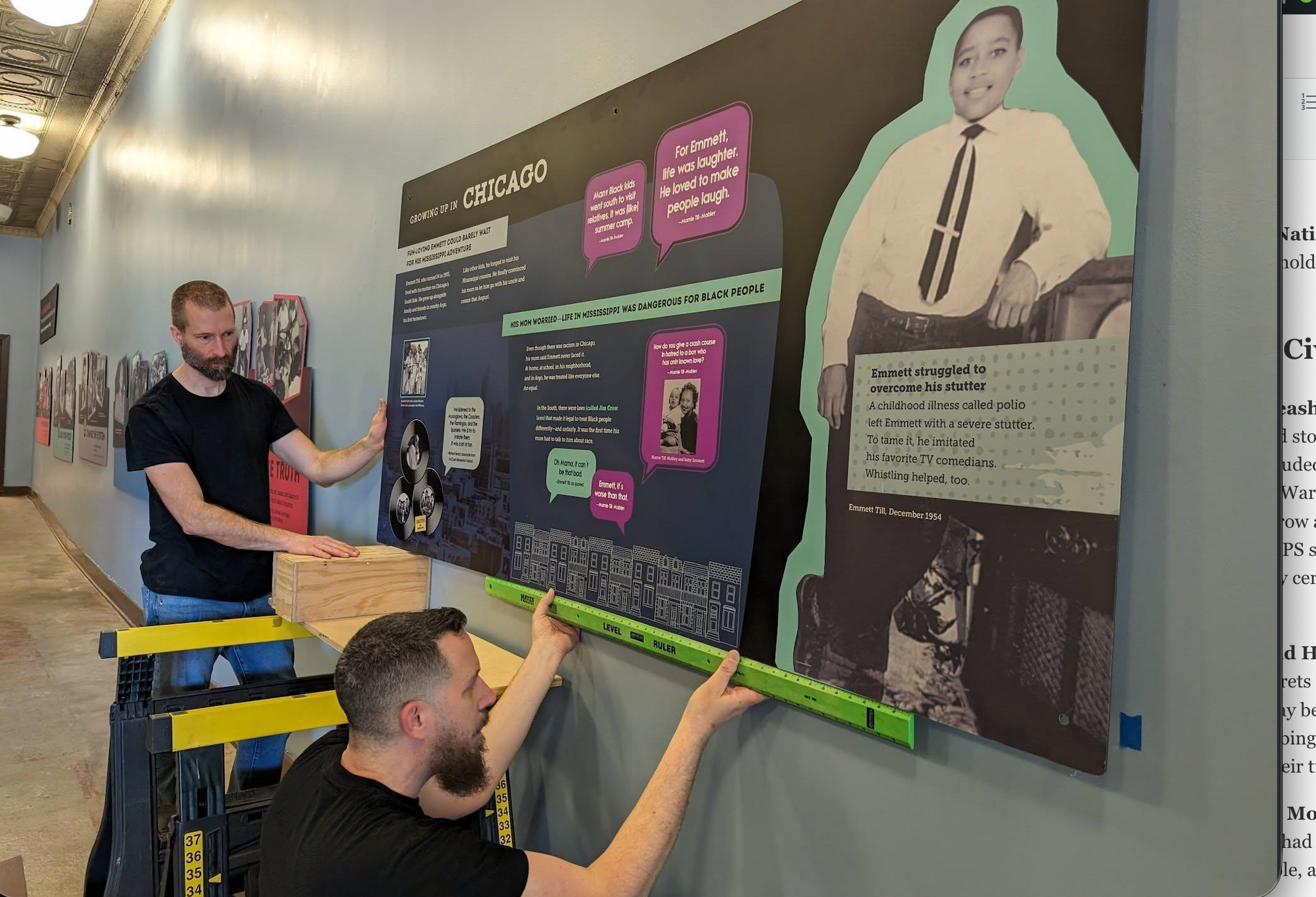
Emmett Till and Mamie Till-Mobley National Monument in Mississippi and Illinois: An exhibit telling Emmett Till’s story was flagged for lacking interpretation.
Carter G. Woodson Home National Historic Site in Washington, D.C.: A film about racial terror and a Black Lives Matter clip were flagged.
Belmont-Paul Women’s Equality National Monument in Washington, D.C.: Content on the National Woman’s Party and their suffrage struggles was flagged.
At least seven other sites mentioning women’s suffrage and Civil Rights movements were flagged.
Colonialism and American War History
Kings Mountain National Military Park and Cowpens National Battlefield in South Carolina: Videos about the American Revolution and historical research were flagged.
Palo Alto Battlefield National Historical Park in Texas: Signs on the U.S. invasion of Central Mexico and manifest destiny were flagged.
Bent’s Old Fort National Historic Site in Colorado: A film on plains commerce was flagged for outdated scholarship.
Guilford Courthouse National Military Park in North Carolina: Signage on power abuses, slavery, and the Cherokee people was flagged.
Hawai’i Volcanoes National Park in Hawaii: Signs on colonialization and Japanese American internment were flagged.
Weir Farm National Historic Site in Connecticut: Brochures with quotes on monuments were flagged.
At least nine other NPS locations discussing colonialism and American history were flagged for review.
Original Story at www.outsideonline.com