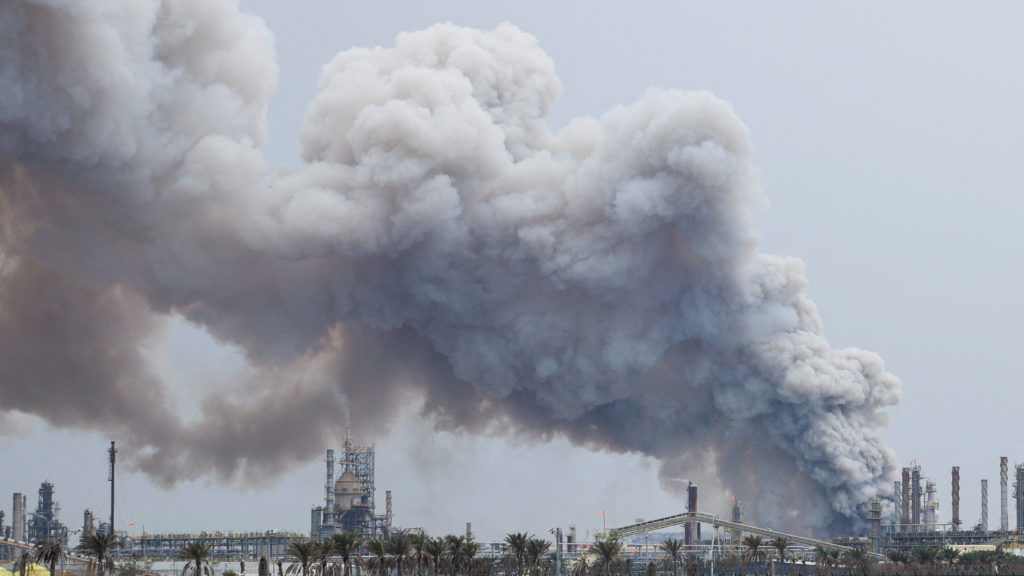
The ongoing conflict in Iran has reignited discussions around energy security and climate change, with experts contemplating whether national interests might drive a shift towards renewable energy. As military actions disrupt key energy supply chains, the potential for countries to pivot from imported fossil fuels to domestic renewable sources presents a compelling narrative.
The damage to refineries and blockades in oil and gas shipping lanes have escalated fuel costs, leading some analysts to suggest this may push even the most reticent nations to pursue a greener energy agenda. However, skepticism remains, as similar predictions were made during the Ukraine conflict, which instead saw a resurgence in coal usage among European states.
“Just wishful thinking,” remarked Stanford University climate scientist Rob Jackson, regarding the hope that geopolitical tensions would catalyze a global shift away from fossil fuels.
United Nations Secretary-General António Guterres has a different perspective, stating, “The turmoil we are witnessing today in the Middle East makes it evident that we are facing a global energy system largely tied to fossil fuels — where supply is concentrated in a few regions and every conflict risks sending shock waves through the global economy.” He emphasized the current advantages of renewable energy, noting, “Homegrown renewable energy has never been cheaper, more accessible, or more scalable.”
Nationalism in Green Transition
The recurring annual U.N. climate summits have seen limited success. The latest gathering in Brazil, known as COP30, concluded without any commitment to fossil fuel reduction, a point of contention for Guterres. The absence of the United States from this meeting, especially under President Donald Trump’s administration, which has escalated tensions with Iran, highlights the challenges in achieving consensus.
READ MORE: Oil prices soar to levels not seen in years as war in Iran intensifies
Despite the rapid expansion of renewable energy systems, the global reliance on fossil fuels continues to rise, resulting in increased emissions and climate-related extreme weather events. According to Michael Oppenheimer from Princeton University, “The bottom line is that for at least another five years and maybe longer, emissions reduction will in fact be dealt with largely unilaterally.”
Opportunity Amidst Crisis
Caroline Baxter of the Council on Strategic Risks has observed a significant reduction in fossil fuel movements due to the conflict, which affects countries heavily reliant on energy imports, such as Japan and South Korea. She suggests that these nations might shift towards green energy for greater stability.
Baxter believes the current situation offers a unique chance for countries to enhance their energy independence. “I think there is an opportunity, rightly or wrongly, for countries to really turn inward and try to power themselves in a way that cuts off their dependence on other nations for that source,” she stated.
Energy analyst Ana Maria Jaller-Makarewicz predicts an increase in solar panel and heat pump installations as a response to the current geopolitical climate.
Learning from Ukraine: The Wrong Lessons
Some experts caution against optimism, referencing the Russian invasion of Ukraine as a case where fossil fuel dependency remained unchanged. As Pauline Heinrichs from King’s College observed, “We have seen this at the European level where actors post-2022 slowly wanted to move away from the energy transition which is exactly the wrong lesson.”
Analysts like Ohio University’s Geoff Dabelko and Neta Crawford from the University of St. Andrews suggest that countries like China and India might lean more towards coal usage in light of current events.
Environmental Impact of Military Conflicts
Military operations themselves contribute to high emissions levels. Reports indicate that global military activities account for 5.5% of annual greenhouse gas emissions, surpassed only by China, the U.S., and India. Neta Crawford from Brown University’s Watson Institute highlighted the significant environmental cost of military activities, noting that “the consequences of war on emissions will far exceed any incremental offset in emissions due to increased enthusiasm for a green transition.”
Original Story at www.pbs.org