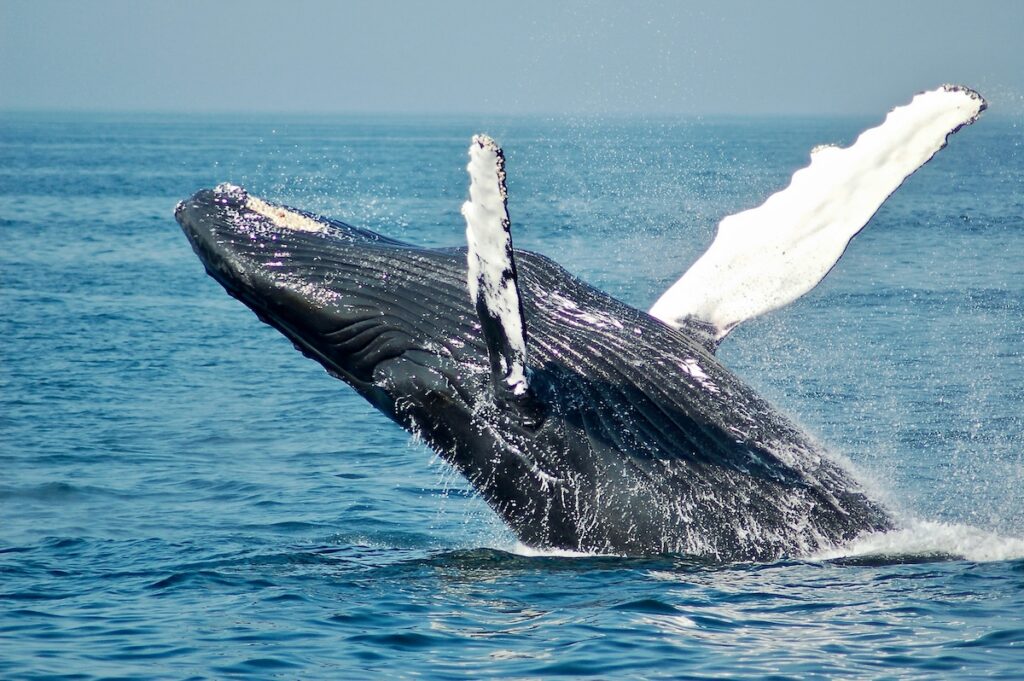
Whales: Guardians of Our Climate and Their Struggle for Survival
In the vastness of our oceans, whales not only captivate our imaginations but also play a crucial role in maintaining the health of our planet. These magnificent creatures are not just the largest animals on Earth; they are vital to combating climate change. By enriching the ocean with nutrients that sustain phytoplankton, whales indirectly facilitate oxygen production and carbon dioxide absorption, helping to regulate our climate.
Whales contribute to the ocean’s health through processes like nutrient recycling, commonly referred to as the “whale pump.” As they feed in deep waters, they release nutrient-rich waste closer to the surface, promoting the growth of phytoplankton. Moreover, their lengthy migrations help transport nutrients across vast oceanic expanses, connecting distant ecosystems. Even after death, whales continue to impact the environment by sequestering carbon in their bodies, which can remain out of the atmosphere for centuries when they sink to the ocean floor.
Challenges and Conservation Efforts
Despite their ecological importance, whales face numerous threats. Climate change is altering their habitats, impacting the availability and predictability of their prey. Additionally, human activities such as fishing, shipping, and pollution further endanger whale populations. Chris Johnson, a marine scientist with the World Wildlife Fund, emphasizes the need for global conservation strategies to protect these vital creatures.
Efforts to safeguard whale populations focus on creating “blue corridors”—protected migratory pathways that span across national and international waters. These initiatives aim to mitigate the effects of shipping, fishing, and climate change on whale habitats. By implementing measures like reducing ship speeds, modifying fishing practices, and establishing marine protected areas, conservationists hope to enhance the resilience of whale populations.
Species in Focus
Particular attention is given to species like blue and fin whales due to their size and ecological impact. Sperm whales, known for their deep diving and complex social structures, and humpback whales, whose populations have significantly rebounded, also play crucial roles in ocean ecosystems. However, species like the critically endangered North Atlantic right whale serve as cautionary tales of how climate change exacerbates existing threats.
How Individuals Can Help
Individuals can contribute to whale conservation by supporting strong ocean and climate policies, reducing plastic use, and choosing sustainable seafood. Engaging in responsible whale-watching and advocating for marine conservation efforts are also effective ways to make a difference. By protecting whales, we not only preserve these majestic creatures but also ensure the health of our planet for future generations.
For more detailed insights and ways to help, read the original interview with Chris Johnson on Yale Climate Connections.
Original Story at www.juancole.com