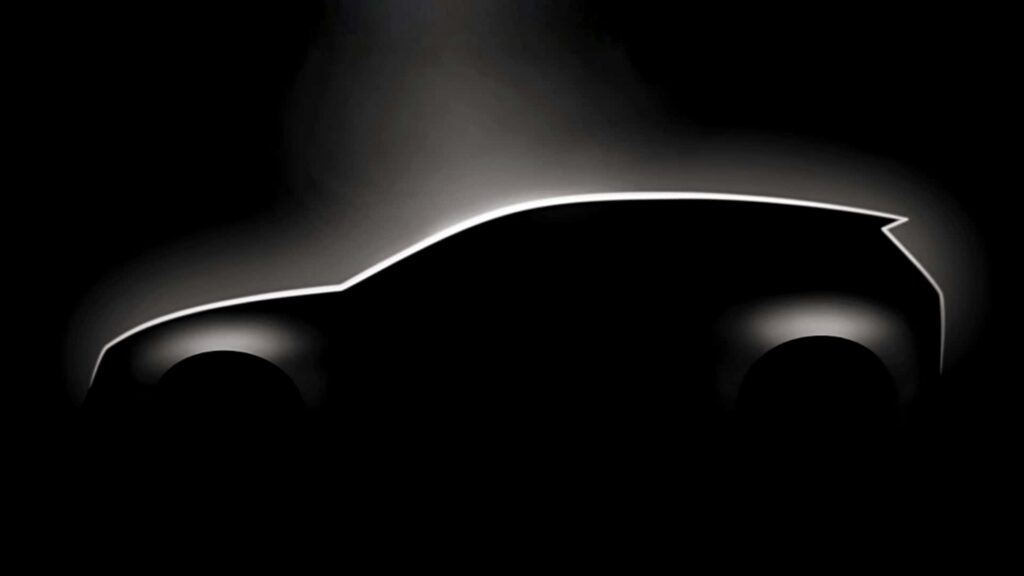
Volkswagen, renowned for its commitment to electrification, is temporarily halting the development of the electric ID. Golf. This decision, driven by financial prudence, reflects the company’s current focus on careful financial management amid challenging market conditions.
During a recent financial briefing, David Powels, the CFO of VW Brand and Brand Group Core, confirmed this strategic pause. He explained, “One specific measure is therefore to temporarily pause development work on the future ID. Golf at the VW brand until we can securely accommodate the necessary investments.”
The move is surprising given the iconic status of the Golf model and Volkswagen’s push towards electric vehicles. However, the company has chosen to prioritize fiscal discipline over launching an expensive new electric model without secured funds. For more details, visit VW.
The Future of the ID. Golf
The suspension does not imply the cancellation of the ID. Golf. Volkswagen has clarified that this is a temporary measure, and development will resume once the necessary funding is secured. However, no timeline has been provided for when work might restart or how this pause will impact the launch schedule.
Delays and Challenges
The ID. Golf, initially anticipated to debut later in the decade, faces delays primarily due to setbacks with VW Group’s Scalable Systems Platform (SSP). This next-generation architecture, intended for a wide range of electric vehicles, is experiencing software issues and rising development costs. VW CEO Thomas Schäfer previously suggested a realistic launch for the electric Golf might be around 2030, following the rollout of SSP-based vehicles from Audi and Porsche. More details can be found here.
The delay in developing the ID. Golf illustrates the financial constraints affecting VW’s transition to electric vehicles. The company recently acknowledged that its electric vehicles are less profitable than their combustion-engine counterparts, as discussed here.
In the meantime, the Golf nameplate will continue with combustion-engine, full-hybrid, and plug-in hybrid versions until electric conditions improve.
Electric Golf’s History
Volkswagen is no stranger to electric Golfs. The e-Golf, an all-electric variant of the seventh-generation hatchback, was available from 2014 to 2020 before being replaced by the ID.3, an EV developed from scratch. The ID.3, now known as the ID.3 Neo, was meant to pave the way for the ID. Golf, a plan that has faced delays.
Potential for a Facelift
The current Golf might undergo another facelift in 2027, coinciding with its production shift from Wolfsburg to Puebla, Mexico, as part of VW’s restructuring to reduce costs. This move could extend the eighth-generation model’s competitive edge while awaiting the ID. Golf’s debut.
This production shift could also impact related models like the Skoda Octavia and Cupra Leon, which share components with the Golf. As VW seeks to cut development costs, these combustion-powered models may remain in production longer than initially planned, awaiting the next-generation electric architecture.
Original Story at www.motor1.com