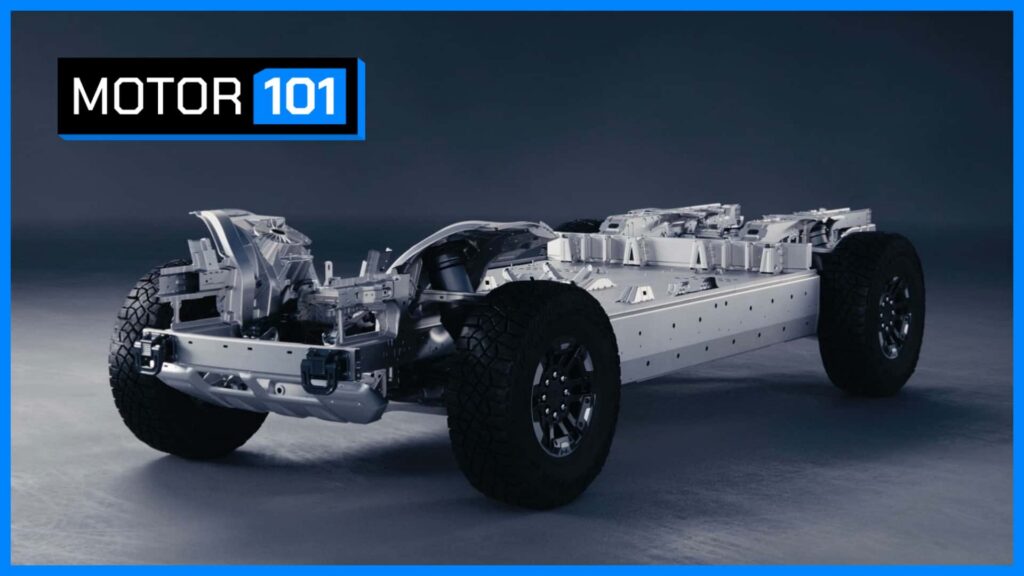
Electric vehicles (EVs) offer numerous benefits, yet one common question lingers for potential buyers: How long do these batteries last? Given the cost of EV batteries and experiences with other lithium-ion batteries, this concern is understandable.
Fortunately, the lifespan of an EV battery differs significantly from those in smaller devices, with data indicating that modern battery packs can outlast the vehicles themselves.
Understanding the Lifespan of EV Batteries
The lifespan of an EV battery varies, but in moderate climates, it can be expected to last between 12 to 15 years. In more extreme climates, this duration may reduce to eight to 12 years, as per the US Department of Energy’s modeling.
It’s important to note that an EV battery doesn’t cease functioning after a set period. Instead, it experiences gradual capacity loss, known as battery degradation. For example, a vehicle with an initial 300-mile range may eventually cover only 280 miles.
Data from Geotab, which analyzed over 22,700 EVs across 21 models, shows an average degradation rate of 2.3 percent annually. This means that after eight years, a battery might retain approximately 81.6 percent of its original capacity.
This scenario differs significantly from needing a complete battery replacement.
Photo by: InsideEVs
Battery Replacement: A Rare Occurrence
It’s crucial to distinguish between a degraded battery and a failed one. According to Recurrent’s analysis of more than 30,000 EVs, complete battery replacements are uncommon, especially in newer models. Excluding recalls, replacement rates are around 8.5 percent for first-generation EVs, 2 percent for second-generation, and just 0.3 percent for 2022 models onward.
Advancements in battery technology, including improved chemistry and cooling systems, have enhanced the durability of modern batteries compared to early models like the Nissan Leaf and Tesla Model S.
Real-world experiences reflect these findings. A recent discussion on r/electricvehicles reveals minimal degradation; for instance, a Ford Mustang Mach-E owner noted no loss after three-and-a-half years, and a Kia Niro owner reported similar findings after five years.
Factors Influencing Battery Degradation
Battery aging varies due to factors such as heat and charging habits. Geotab’s research indicates that frequent use of high-power DC fast chargers increases degradation to about 3 percent annually, while lower-power charging results in about 1.5 percent degradation per year.
Additionally, hot climates cause approximately 0.4 percent more degradation annually compared to moderate climates.
While fast chargers serve their purpose, utilizing a Level 2 home charger often proves gentler on the battery. Moreover, maintaining charge levels between the extremes of 0% and 100% can help slow degradation.
Battery Warranty Coverage
Automakers address battery life concerns by offering extended warranties, typically eight years or 100,000 miles, as noted by the Department of Energy. Some manufacturers provide even longer warranties.
However, warranties may not cover full capacity retention but rather allow for certain degradation before coverage applies. It’s advisable to review the specific warranty terms before purchasing.
Concerns About Replacing EV Batteries
While EV batteries inevitably degrade, outright failures are rare in newer vehicles. Current data suggests that modern EV batteries can last over a decade, making battery replacement an uncommon necessity.
In summary, when buying a new EV today, the battery is unlikely to be the first component to necessitate major repairs.
Original Story at www.motor1.com