Trump Administration Seeks to Alter Methane Emission Regulations
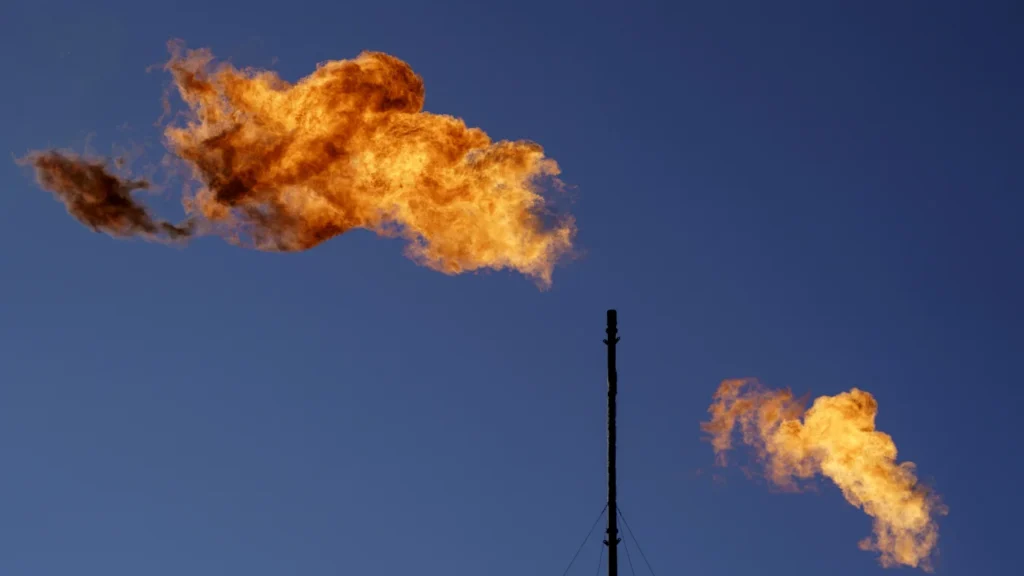
In a significant shift from the previous administration’s environmental policies, the Trump administration has put forward a proposal to significantly reduce the scope of a rule established during President Biden’s term. This rule was designed to lower methane emissions across the oil and gas industry at drilling sites nationwide.
Methane, a potent greenhouse gas, is known to have a warming effect on the planet that is 80 times greater than carbon dioxide over a 20-year period. In 2023, President Biden’s administration finalized regulations aimed at controlling these emissions from the oil and gas sector.
President Trump, while on the campaign trail in Lubbock, Texas, announced the proposed changes. He emphasized that the revisions under the Clean Air Act would save billions in production costs and encourage more domestic drilling. This move comes at a time when Republicans are under pressure from voters due to rising gas prices ahead of the midterm elections.
“Behind every barrel of oil and every cubic foot of natural gas produced in the U.S. are millions of workers, businesses, and the heartbeat of this nation’s economy. The Biden EPA destructively targeted all this,” EPA Administrator Lee Zeldin stated in a press release.
The oil and gas industry, which has been critical of the 2023 rules, welcomed the proposed rollback. Industry representatives believe it will alleviate some of the compliance challenges they currently face. “We look forward to working with the Trump administration on a more workable approach that supports American energy production, provides greater regulatory certainty and advances continued emissions reductions,” commented Dustin Meyer, Vice President at the American Petroleum Institute.
However, environmental advocates argue that these changes may ultimately prove costly for the industry. Jon Goldstein from the Environmental Defense Fund noted, “Methane is natural gas, or natural gas is methane. And so if you’re capturing more natural gas, you’re not allowing it to leak out, you’re not allowing it to be flared, you have more product that you can sell. And so that offsets a lot of the costs.”
Goldstein further emphasized the negative impact on energy security and potential loss of revenue for taxpayers from gas that could otherwise be monetized.
Among the regulations under review is the “Methane Super Emitter Program.” This program, scheduled to start in January 2027, aims to manage significant methane leaks by involving certified third parties, including satellite programs, in monitoring efforts. Paasha Mahdavi, a UC Santa Barbara political science professor, explained that the government relies on such third parties to identify and report violations for enforcement purposes.
The rollback could also affect regulations on methane emissions from low-volume “marginal” oil wells, which are considered economically marginal due to their limited profitability. Despite assumptions that these wells have minimal emissions, Goldstein highlighted that they contribute significantly to methane pollution. He stated, “These old sort of end-of-life wells nearing the end of their production life are actually responsible for the lion’s share of methane pollution from the [oil and gas] production sector.”
The EPA will open a public comment period, lasting at least 45 days and including a public hearing, following the publication of the proposed changes in the Federal Register.
Original Story at www.npr.org