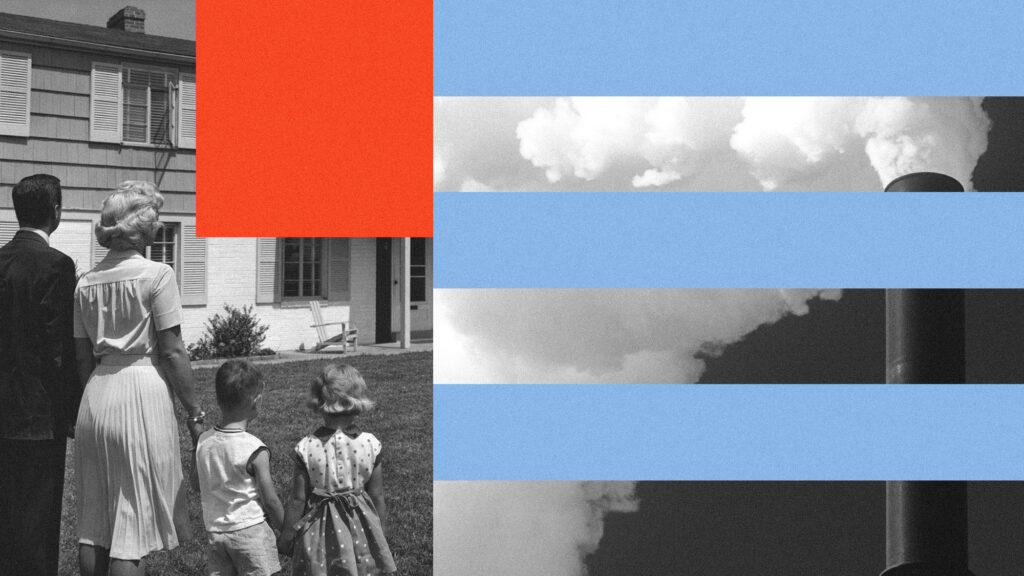
The image of the American Dream often evokes a home with a white picket fence, a symbol ingrained in popular culture. For Sierra Isley, this vision was slightly different, yet the idea of purchasing her first home represented a significant milestone in achieving “that big dream that everybody has as a kid.” However, the journey to homeownership brought unexpected challenges.
Isley and her partner, Jamie, relocated from Philadelphia to Asheville, North Carolina, with hopes of settling into a charming three-bedroom brick house. Their plans were thwarted by a large lien on the property, forcing them to cancel the purchase and opt for an apartment instead. This twist of fate proved fortunate when Hurricane Helene’s remnants struck, flooding their apartment basement but sparing them from greater disaster.
Homeownership, long considered a pillar of the American Dream and a pathway to building wealth, faces increasing risks from climate change. The firm First Street’s report, “Property Prices in Peril,” highlights how climate threats could diminish U.S. home values by nearly $1.5 trillion by 2055. Sociologist Rebecca Elliott noted that for some, “the American dream of homeownership may become a nightmare.”
Sean Rayford / Getty Images
As Americans recognize the danger climate change poses to their dreams, a Grist poll conducted by Data for Progress reveals that 58 percent of likely U.S. voters, including 42 percent of Republicans, feel climate change threatens their ability to achieve the American Dream. Rising living costs due to climate change concern many, potentially influencing upcoming elections.
Ironically, fossil fuels have been marketed as essential to the American way of life. Campaigns by oil and gas companies have long connected their products to comfort and prosperity, a narrative echoed by political leaders. The Trump administration, for instance, argued that fossil fuel regulation efforts threatened the American Dream, branding deregulation as “restoring the American Dream.”
Yet, the fossil-fueled version of the American Dream is increasingly unsustainable. Greenhouse gas emissions have led to new vulnerabilities, challenging the expectation of generational progress. Scientific reports warn that climate change jeopardizes the quality of life in the U.S., impacting livelihoods and cultural traditions.
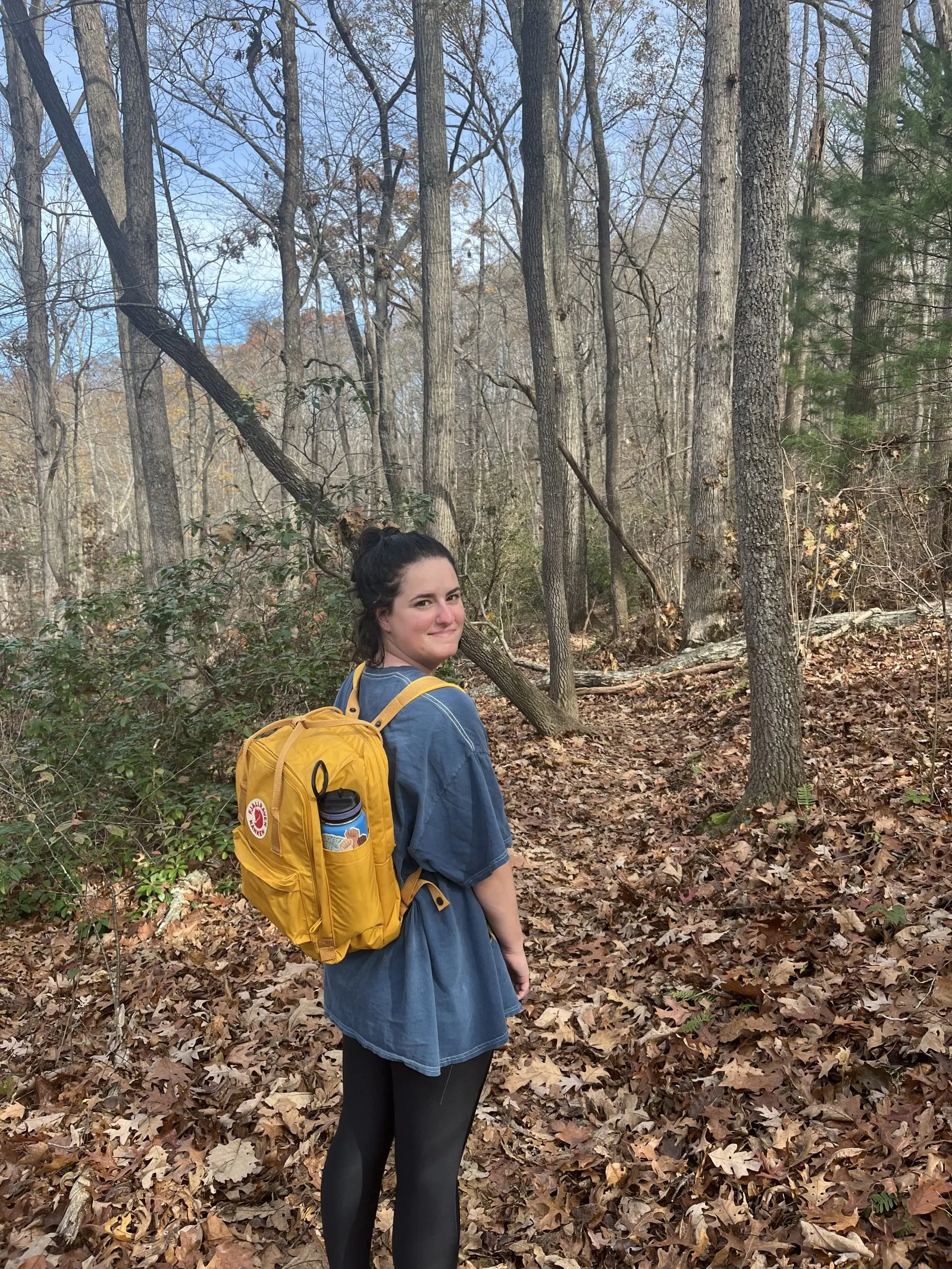
The memories of Hurricane Helene remain vivid for Isley, who recalls flooding and displacement. Her perspective on homeownership has shifted, now viewing properties through a post-disaster lens. “Now I have that fear in the back of my mind,” she says, wary of homes near water sources. Climate threats have reshaped her dreams and career aspirations, leading her to pursue public health and emergency preparedness.
Courtesy of Sierra Isley
In Asheville, once seen as a “climate haven,” Hurricane Helene’s 14 inches of rain caused significant damage, affecting over 74,000 homes in western North Carolina. Most lacked flood insurance, resulting in $9.5 billion in uninsured losses. The local housing market has since declined, with Asheville’s average home price dropping 5 percent, contrasting with a national increase of 1.2 percent.
Housing markets are starting to account for environmental risks, with homes in flood-prone areas selling for less. A 2023 Nature Climate Change study found that flood-risk homes remain overvalued by up to $237 billion, with Appalachia identified as a hotspot of overvaluation before Helene’s impact.
Insurance, intended as a safeguard for homeowners, is becoming unaffordable. Property insurance costs have surged 80 percent since 2020, with higher rates in high-risk areas. This trend is partly attributed to insurers leveraging climate change to justify rate hikes. Rising insurance costs have also slowed home price growth in disaster-prone regions by over $40,000.
Renters, too, are affected by climbing insurance costs, which landlords pass on through higher rents. “Whether you are a homeowner or a renter, we’re all paying for living under the increased risks of climate change,” said Caroline Nagy of Americans for Financial Reform, highlighting the challenges of saving for homeownership.
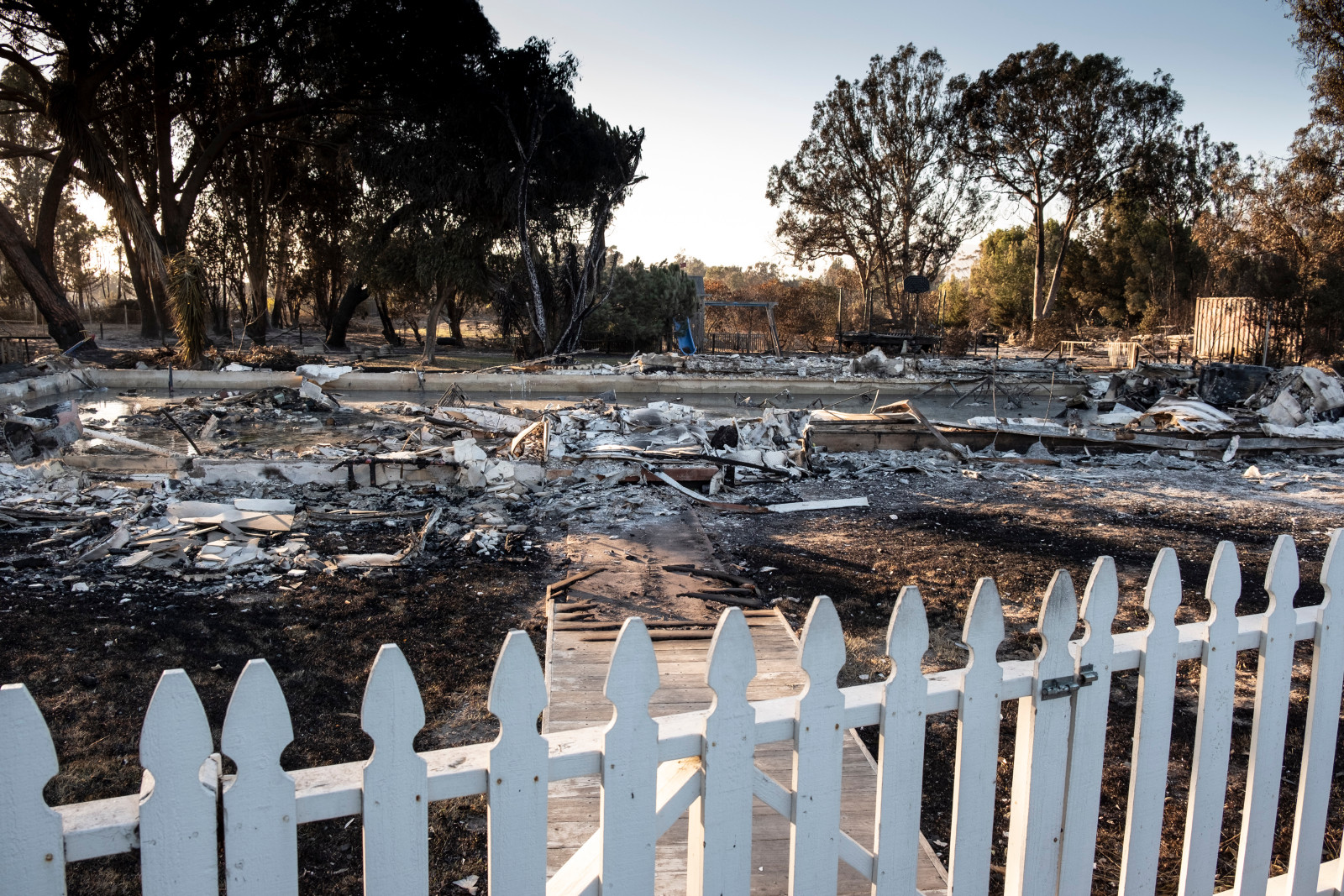
The aftermath of Hurricane Helene has left a visible mark on Asheville, with “Asheville Strong” signs symbolizing resilience. Disasters often bring communities together, a phenomenon observed by Nick Tinoco in his research on survivors of the 2018 Woolsey Fire in California. Some residents have formed volunteer brigades, preparing to protect their homes during future fires.
David Crane / Digital First Media / Los Angeles Daily News via Getty Images
As climate haven myths dissolve, Elliott argues for securing communities where they are rather than relying on relocation. She believes it’s time to reevaluate the American Dream’s dependence on single-home ownership. Changing perceptions among younger generations suggest a shift, with only 13 percent of Gen Zers associating homeownership with the American Dream compared to 46 percent of baby boomers.
Sierra and Jamie’s near-purchase in Asheville became a catalyst for reimagining their future. The house, still standing post-Hurricane Helene, serves as a reminder of the risks they avoided. The experience has inspired Isley to focus on combating climate change and aiding communities in emergencies, reflecting a broader reconsideration of the American Dream’s meaning.
Original Story at grist.org