Simulating Climate Crisis Response: A Disturbing Look at Global Politics
In a world increasingly threatened by climate change, a recent simulation conducted by Queen Mary University of London offers a chilling glimpse into how nations might respond—or fail to respond—to escalating environmental crises. The exercise, which involved experts from various fields, highlighted the complexities of decision-making in the face of global warming challenges.
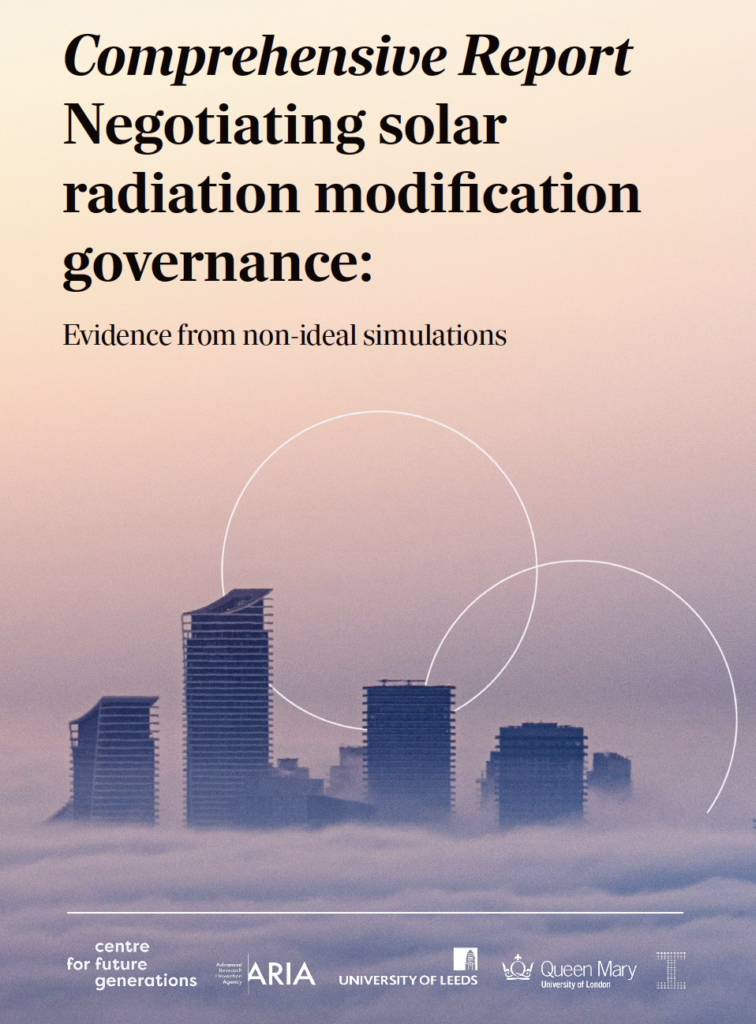
The simulation, designed by Dr. Danielle Young from Leeds University, brought together foreign relations experts, scientists, military personnel, and former government officials. Participants represented a range of entities, including national governments, climate NGOs, indigenous groups, and tech companies, all convened under the guise of a UN group. The official report provides more comprehensive insights (source).
The scenario unfolded through a series of simulated meetings set in the present, September 2027, and September 2028. Participants faced challenges related to new advances in solar geoengineering technology. Notably, the game mirrored real-world conditions where information was incomplete, forcing players to react under uncertainty.
As the simulation progressed, it became evident that political maneuvering overshadowed scientific discourse. Instead of addressing climate and geoengineering, participants engaged in mutual suspicion and strategic attacks, allowing carbon interests to dominate. One instance saw a shadowy NGO backed by fossil fuels disrupting proceedings while countries like the US and China engaged in covert negotiations and accusations.
The simulation’s outcome was bleak: no consensus was reached on governing solar radiation modification (SRM). National interests and state sovereignty took precedence over collaborative climate action. The report concluded, “strategic competition and state sovereignty drove the simulations, not climate concerns” (source).
While the exercise painted a pessimistic picture, it underscores the urgent need for cooperative global strategies to address climate change. It reveals how geopolitical tensions might obstruct meaningful action, a concern further emphasized by current climate projections that suggest the planet is on track to exceed critical temperature thresholds (source).
The simulation serves as a stark reminder of the challenges ahead and the importance of prioritizing scientific understanding over political agendas in addressing the climate crisis.
Original Story at bryanalexander.org