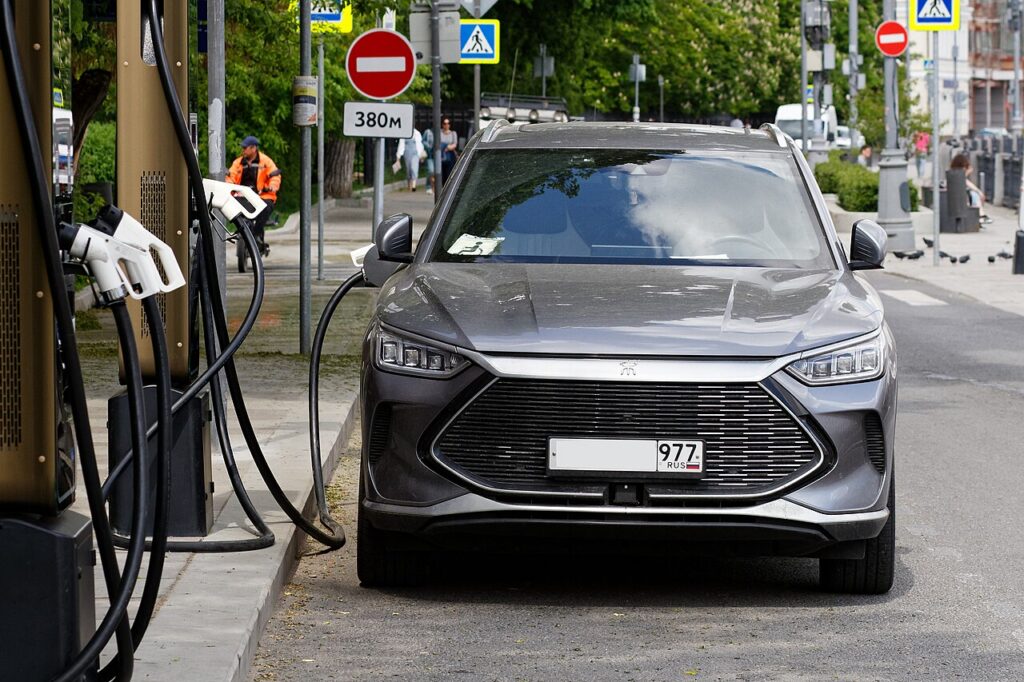
Plug-in Hybrids: The Environmental Dream That’s Still Out of Reach
Despite being hailed as a bridge to a greener future, plug-in hybrid electric vehicles (PHEVs) might not be living up to their eco-friendly promises. Recent findings from Transport & Environment (T&E), a European environmental advocacy group, highlight the stark gap between the advertised benefits of PHEVs and their actual performance on the road. This discrepancy calls into question the role these vehicles play in reducing emissions and fuel consumption.
Understanding how PHEVs function is crucial. These vehicles combine a traditional gasoline engine with an electric motor powered by a substantial battery. In some models, the gasoline engine merely recharges the battery, allowing the electric motor to provide the main driving power. This design supposedly offers an electric driving range of up to 200 kilometers, with large batteries to match.
However, T&E’s analysis of real-world data reveals a different story. Plug-in hybrids show a modest 14% reduction in CO2 emissions compared to conventional vehicles, a far cry from the 80% reduction suggested by manufacturers’ laboratory tests. This analysis, supported by data from the European Environment Agency, underscores the disparity between showroom claims and actual road performance.
The timing of these findings is significant as the European Parliament considers relaxing vehicle emissions standards, potentially allowing the continued sale of gasoline, diesel, and hybrid cars beyond 2035. Previously, the EU planned to cease new combustion-engine car sales by 2035, demanding a 100% reduction in fleet-average tailpipe CO2 emissions. The proposed changes, however, could keep these vehicles on the market well into the next decade.
Despite advancements in plug-in hybrid technology, such as larger batteries and extended electric ranges, the gap between official emissions figures and real-world data is widening. In 2023, real-world CO2 emissions for PHEVs were about five times higher than official figures, increasing to nearly six times for 2024 models. This disconnect means drivers might face higher fuel costs than anticipated.
One reason for this discrepancy is that PHEVs are often not used as intended. T&E’s data indicates that only 27% of the distance traveled by these vehicles is in electric mode. Often, owners do not charge the vehicles frequently enough, leading to a reliance on the combustion engine. Even with a charged battery, the engine may still kick in under certain driving conditions.
To address these issues, researchers suggest larger batteries and more powerful electric motors could help. However, longer-range PHEVs don’t always produce lower emissions. Vehicles with electric ranges over 70 kilometers showed a greater discrepancy between actual and official emissions than those with shorter ranges. When the battery depletes, longer-range hybrids emit more CO2 due to their heavier build and powerful engines.
Interestingly, the power of the electric motor plays a significant role in emissions performance. Vehicles with electric motors at least 25% more powerful than their combustion engines emitted significantly less CO2. This suggests that well-designed PHEVs with strong electric motors and large batteries could narrow the gap between advertised and actual emissions.
Ultimately, these findings prompt a reconsideration of relying on PHEVs as a path to reducing emissions. T&E urges lawmakers to focus on fully electric vehicles, warning that without changes to how plug-in hybrid emissions are calculated, manufacturers might delay the transition to all-electric fleets. Such delays could hinder Europe’s climate goals, potentially decreasing the share of battery-electric vehicle sales by 2030.
For consumers, the message is clear: while plug-in hybrids offer a mix of electric and gasoline driving, their real-world performance may not match the brochure claims. As the automotive industry evolves, understanding the true environmental impact of these vehicles becomes increasingly essential.
Original Story at www.ynetnews.com